Water Damage Restoration Stanwood, WA
The restoration team removes standing water, checks hidden wet materials and dries the structure to measured goals. Emergency dispatch operates 24/7 for plumbing leaks, floodwater and sewage damage.
(888) 509-1696Discuss the water insideA stopped leak leaves a drying task. The crew follows moisture into wall bases, floor layers and connected rooms.
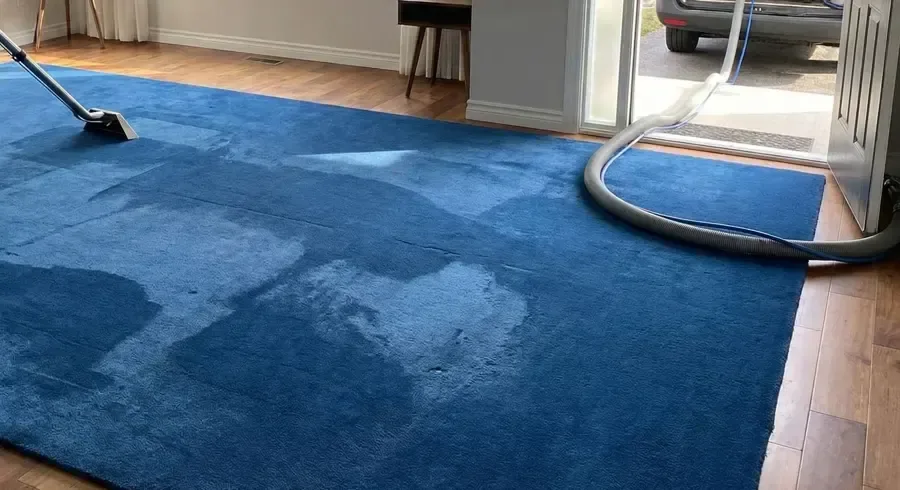
What to do while the water is still moving
Isolate a safe source
Close a reachable water valve from a dry location when a supply leak is active. Avoid any route through standing water.
Respect electrical hazards
Leave wet outlets, appliances and panels alone. The household should not cross a wet floor to operate a breaker.
Keep clear of overhead damage
A sagging ceiling needs an exclusion area below it. Move people and pets away before retrieving belongings or inspecting the stain.
Record visible conditions
Take wide room photographs and note discovery time from safe access. Preserve the starting condition before cleanup or plumbing repair changes it.
Describe the affected rooms
Report the water source, wet surfaces and access restrictions. The response team uses those details to plan the assessment and equipment route.
Water Damage Restoration Services in Stanwood, WA
Each water source changes the cleanup sequence. The team separates extraction, contamination control and material drying so the scope fits the rooms and finishes actually affected.
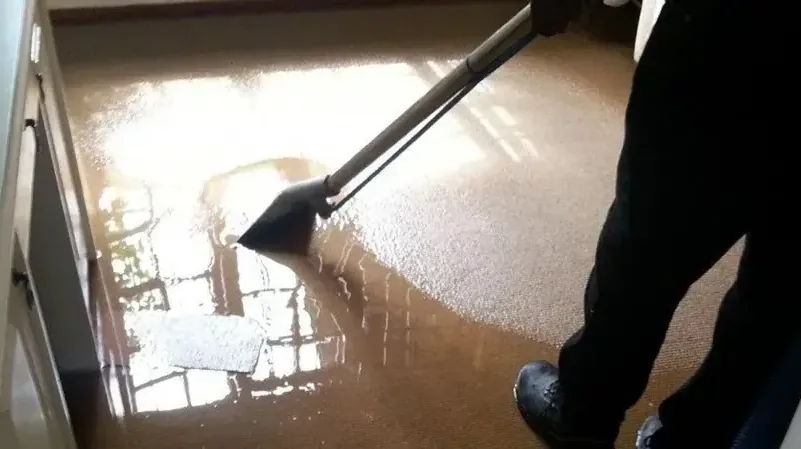
Water Extraction
Pumps and extraction tools remove accessible liquid before wall bases, carpet backing and floor edges receive a drying assessment.
Water Extraction details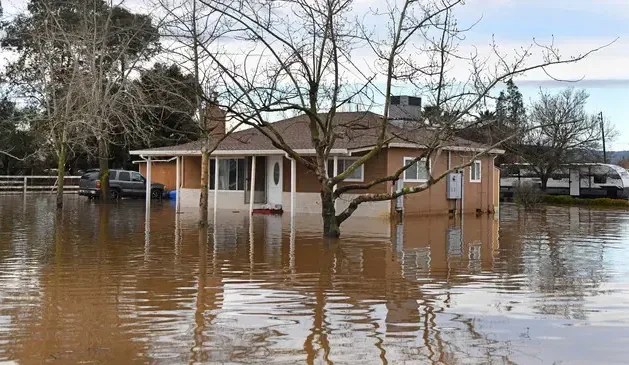
Flood Cleanup
River and surface water bring contamination indoors. Protected removal and cleaning come before drying the retained structure.
Flood Cleanup details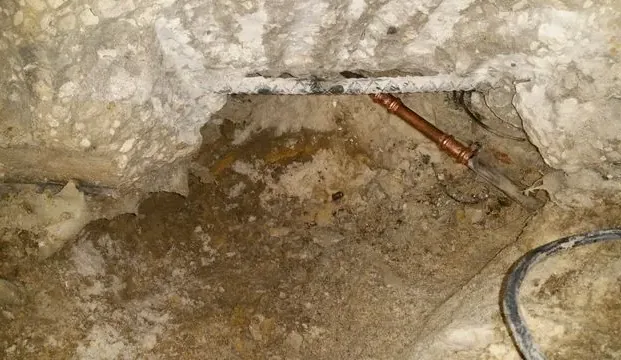
Slab Leak Water Damage
Damp concrete and flooring need source checks, selective access and substrate readings after the leaking pipe is repaired.
Slab Leak Water Damage details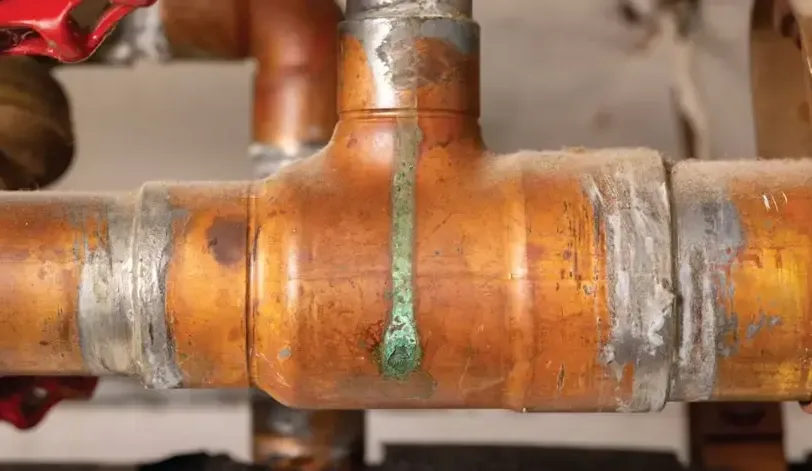
Burst Pipe Water Damage
Supply pressure can spread water through several rooms. The crew traces the discharge beyond the visible pipe failure.
Burst Pipe Water Damage details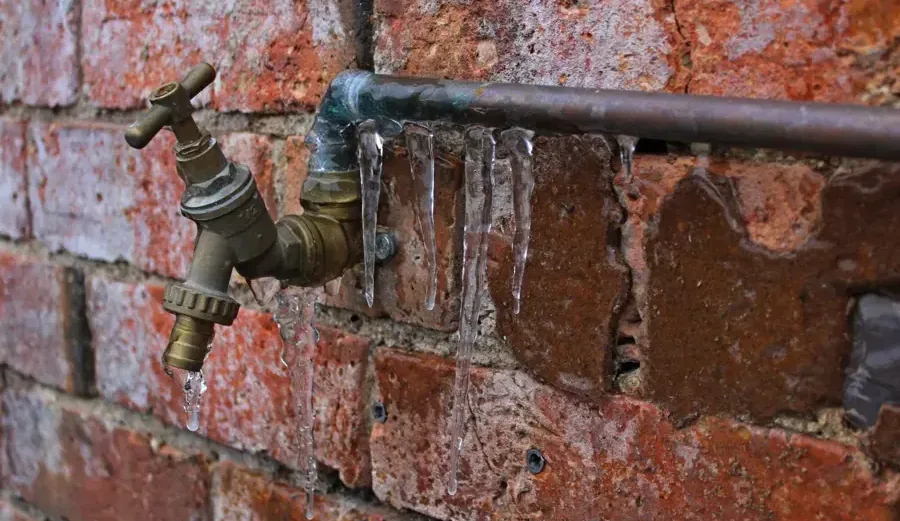
Frozen Pipe Water Damage
Thawing splits can release water into insulated cavities. The inspection follows wet framing and rooms below the damaged run.
Frozen Pipe Water Damage details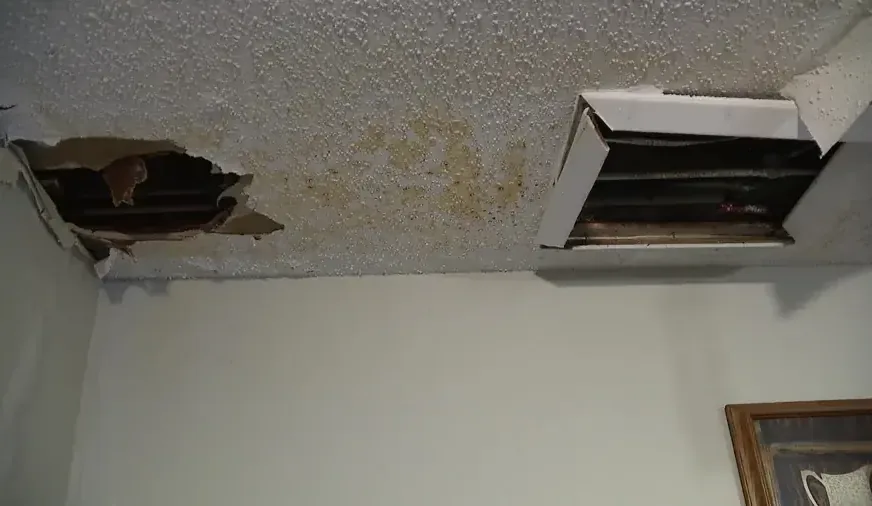
Roof Leak Water Damage
Rain can travel along roof framing before staining a ceiling. Interior drying follows that path after weather entry is controlled.
Roof Leak Water Damage details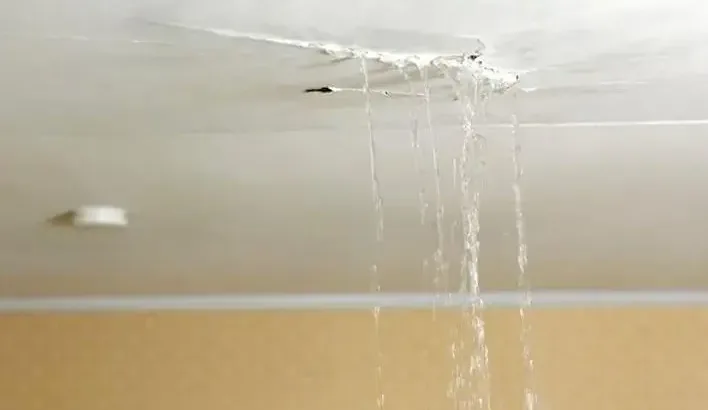
Ceiling Leak Water Damage
Overhead safety comes first when drywall bows or drips. The crew checks joists, insulation and adjoining wall tops.
Ceiling Leak Water Damage details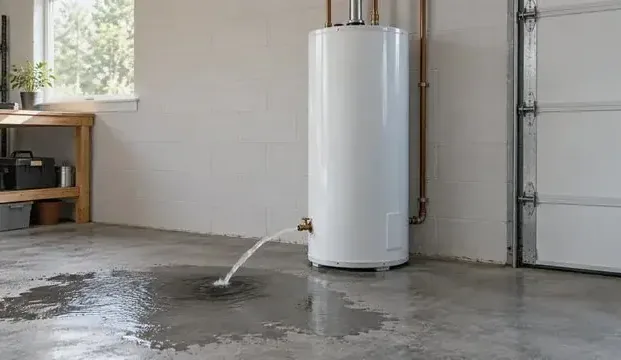
Water Heater Leak Cleanup
Tank water can soak platforms and closet walls. Extraction and material checks continue beyond replacement of the heater.
Water Heater Leak Cleanup details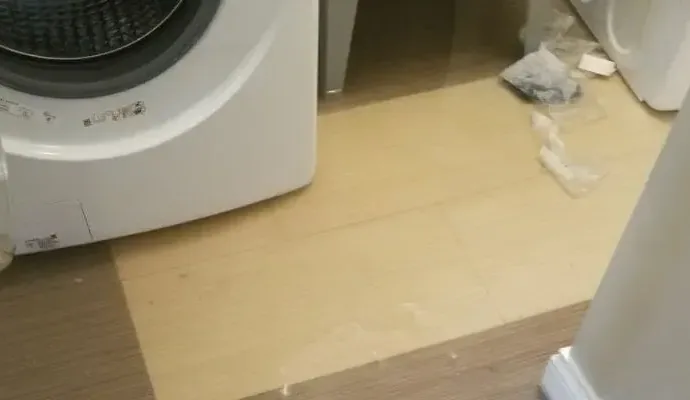
Appliance Leak Water Damage
Supply leaks and used wash water need different decisions. Cabinets and machine recesses receive a concealed-moisture check.
Appliance Leak Water Damage details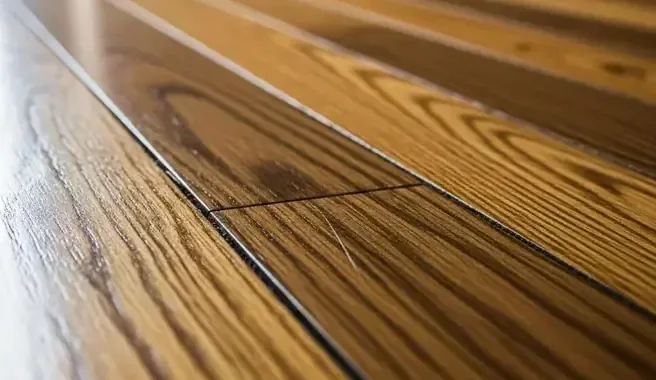
Hardwood Floor Water Damage
Wood and substrate readings shape drying options. Cupping, delamination and contamination influence repair or replacement decisions.
Hardwood Floor Water Damage details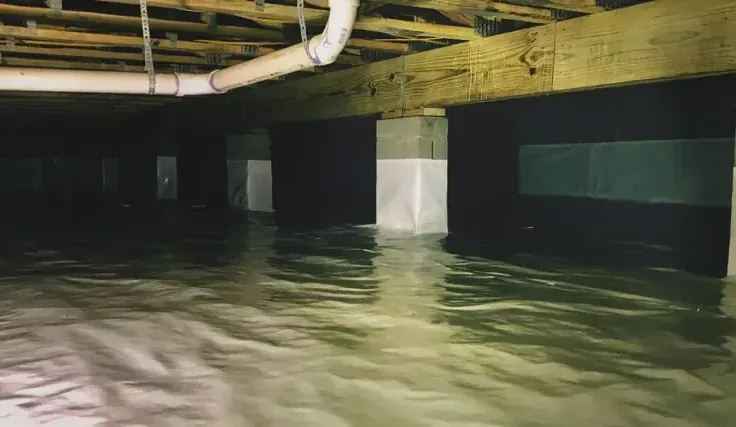
Crawl Space Water Removal
Underfloor pooling needs safe access and a discharge plan. Joist and insulation checks follow the controlled pump-out.
Crawl Space Water Removal details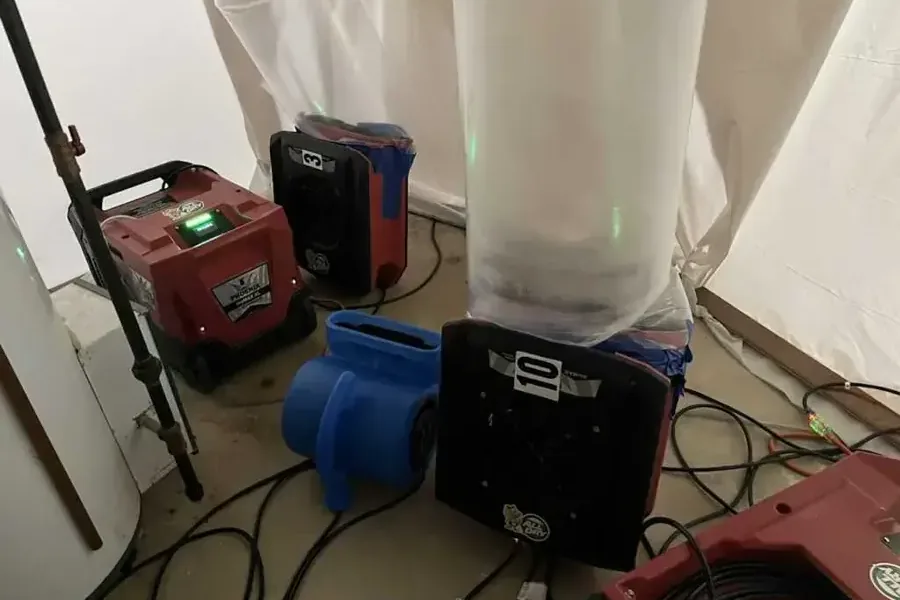
Structural Drying
Airflow and dehumidification work together to remove retained moisture. Repeat measurements determine equipment changes and the endpoint.
Structural Drying details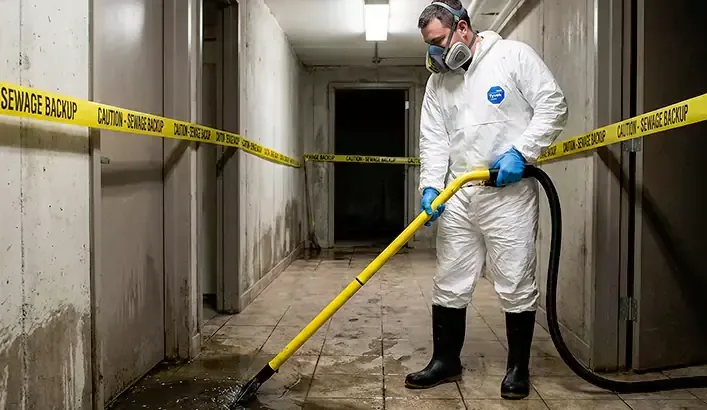
Sewage Backup Cleanup
Category 3 wastewater needs containment and unsuitable porous-material removal, followed by cleaning and treatment of durable surfaces.
Sewage Backup Cleanup details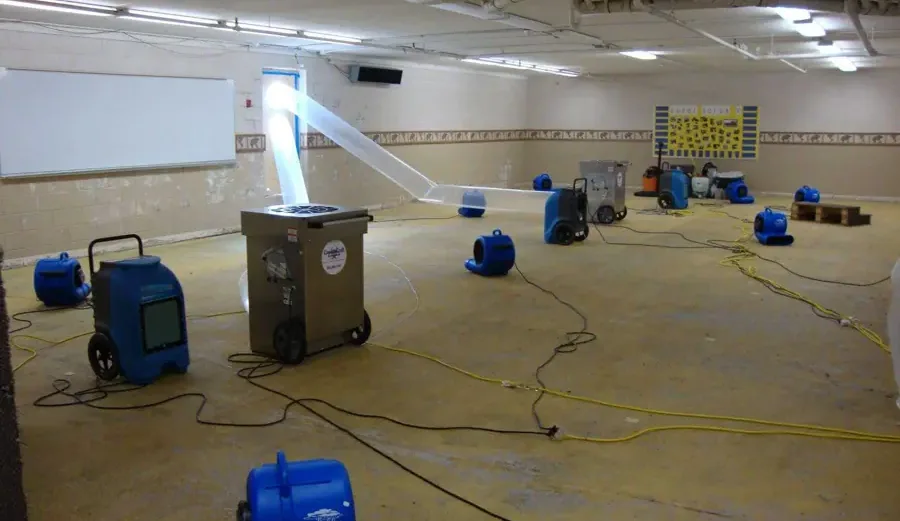
Commercial Water Damage
Business losses require an authorized contact, clear exits and documented contents priorities before extraction and drying zones are arranged.
Commercial Water Damage detailsWater damage dried to the IICRC S500 standard
A complete dry-out follows the building materials after visible water is gone. The technician records a baseline, adjusts the equipment to progress and documents the remaining repair needs at the end.
Assess the source
The technician distinguishes supply water, appliance discharge, floodwater and sewage, then checks the materials and safety conditions that shape the cleanup.
Remove accessible water
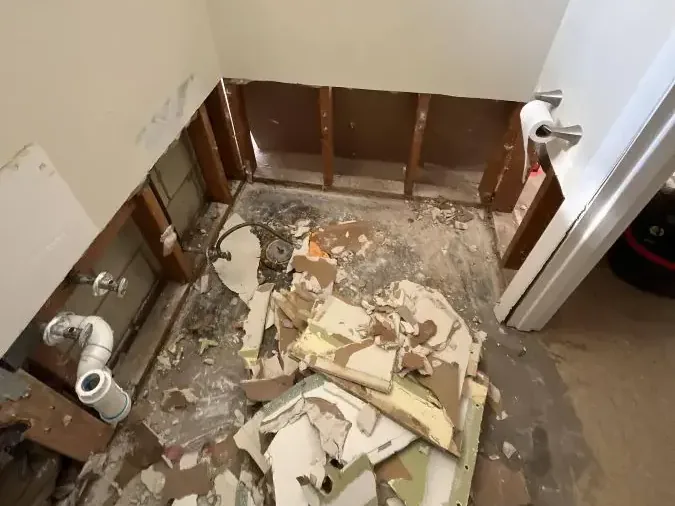
The extraction crew clears liquid and identifies damaged or contaminated finishes that need removal before the retained assembly can dry effectively.
Manage evaporation
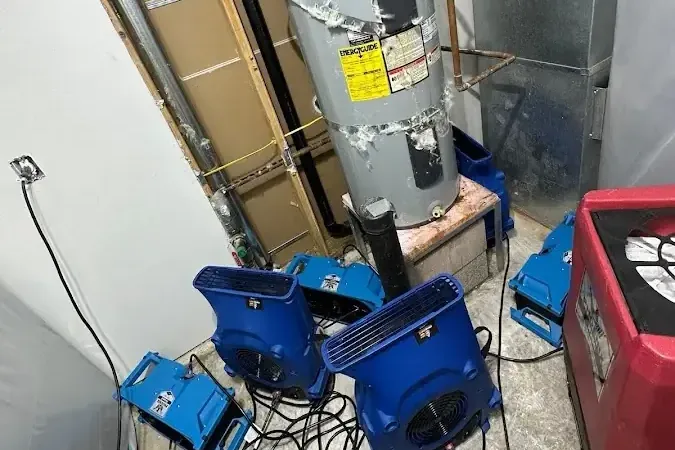
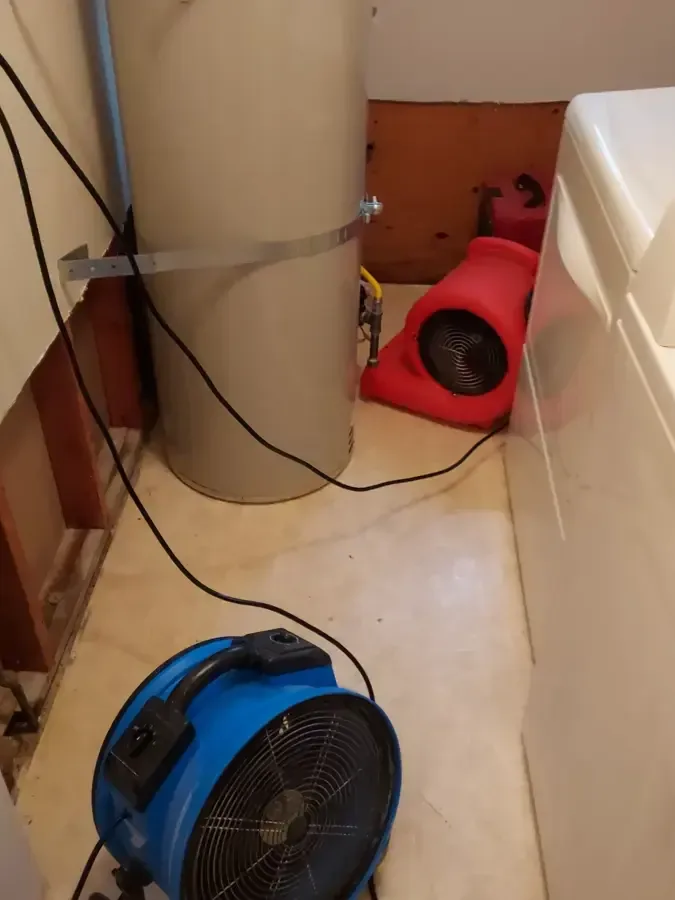
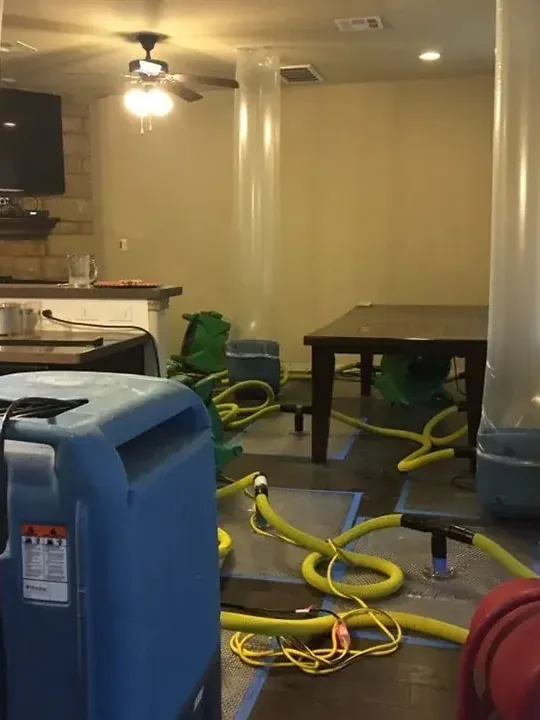
Air movers support exposed wet surfaces while dehumidifiers remove moisture from the air. The layout preserves safe routes and appropriate electrical loading.
Verify the endpoint
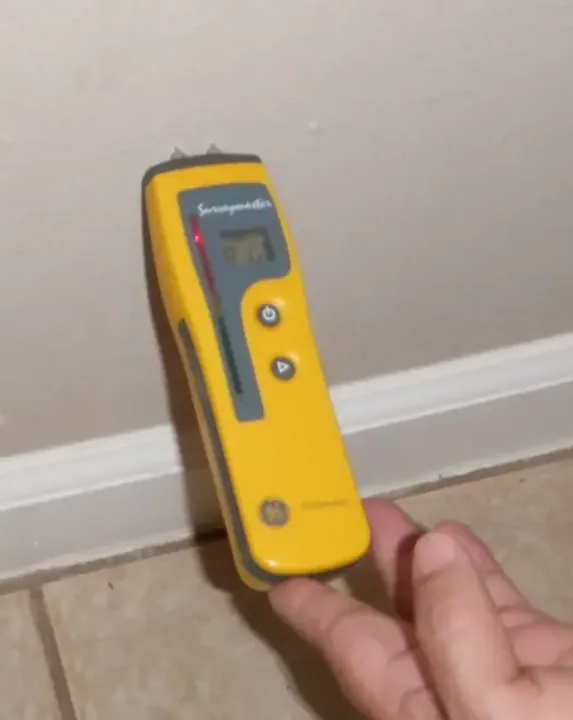
Repeat readings compare affected materials with suitable dry references. The final record separates completed drying from reconstruction and any outstanding source repair.
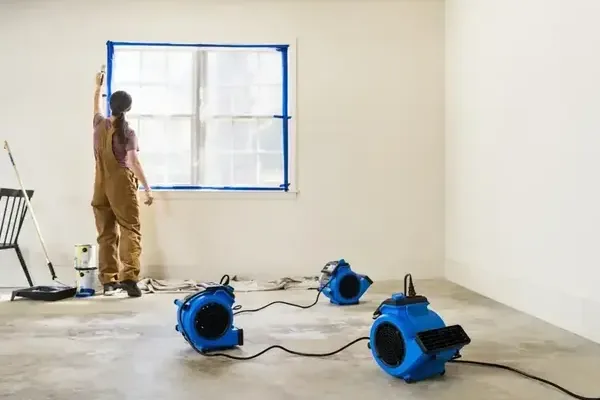
Local water damage experts who follow the moisture
The crew bases removal and drying decisions on the actual water category, building assembly and access. A visible puddle starts the inspection rather than defining its limits.
Rapid local response
The team treats active water movement as urgent and assesses safe access before extraction, with emergency dispatch available day and night.
IICRC S500 drying standard
The drying approach links source assessment, material condition and repeat readings. Equipment placement follows the wet assembly and the remaining evaporation load.
Claim-ready documentation
Initial photos, moisture maps and daily logs explain the condition before work and the progress afterward, supporting an itemized discussion with the insurer.
Local water experts
The Stillaguamish River setting and older downtown districts make source tracing useful. The crew inspects each property before choosing a cleanup method.
What does water damage restoration cost in Stanwood, WA?
Water damage mitigation commonly ranges from $1,000 to $8,000, with extensive contaminated losses costing more. Water category, wet floor area, material layers and access determine the work; source repair and reconstruction may be separate.
Contained clean-water loss
- Limited wet rooms
- Accessible extraction
- Routine drying checks
Several wet assemblies
- Floor and wall access
- Additional equipment
- More material testing
Extensive or contaminated loss
- Controlled removal
- Cleaning and disposal
- Broader drying zones
Planning figures are not a quote. Compare the affected materials in the water damage cost calculator, then discuss the actual water source and access with the responding team.
All water damage categories covered in Stanwood, WA
Category 1: clean supply water
A clean supply release can offer more retention options when conditions support prompt extraction and effective drying. The technician still evaluates time and contact materials.
Follow a supply lossCategory 2: contaminated discharge
Used appliance water and other significantly contaminated releases need a cleaning and material assessment before equipment starts moving air across wet finishes.
Assess an appliance releaseCategory 3: sewage and floodwater
Protected workers contain the area, remove unsuitable porous materials and clean durable surfaces before structural drying begins. Drying alone does not remove contamination.
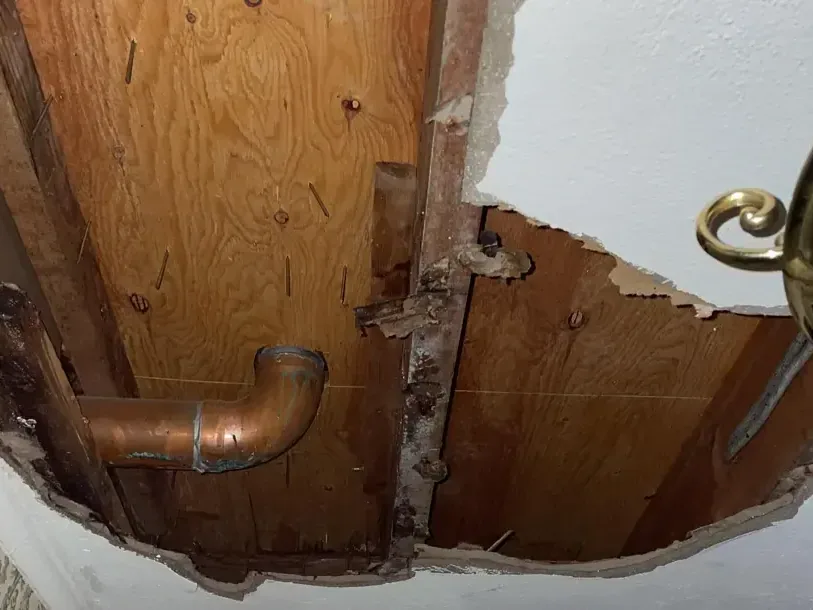
Review controlled sewage cleanupWhat a water damage dry-out looks like in Stanwood
Documentation for your insurance claim
The restoration file should explain what was wet, what changed during cleanup and how drying progressed. The team records the condition before removal so the scope remains understandable after the room looks different.
Check the actual policy
Sudden indoor discharge and rising floodwater can fall under different coverage. The owner asks the insurer which policy provisions apply to the source and resulting damage.
Documentation supports the claim discussion without promising payment. Keep source-repair invoices and remaining reconstruction costs distinct from the mitigation record.
- Initial moisture map and dry reference readings
- Timestamped photos before opening wall or floor assemblies
- Daily material measurements and psychrometric drying logs
- Water category, material class and affected room descriptions
- Itemized extraction, removal, cleaning and drying scope
Water damage coverage across Stanwood
ZIP covered
Local areas and corridors
Nearby coverage
Camano Granite Falls Warm Beach FlorenceOne call reaches Stanwood water damage pros, 24/7
The response team needs the water source, affected rooms and safe access details. Mention a ceiling hazard, wastewater or water around electrical equipment before anyone enters the damaged area.
A main-valve shutoff can stop a supply loss, but the crew still checks where escaped water traveled. Photos and discovery time help establish the starting condition.
Nearby service areas
Water damage articles
Read about water sources, cleanup decisions and drying measurements.
Water damage in Stanwood, WA: local conditions
The city sits at the lower Stillaguamish River with sloughs, historic business districts and later uphill development. The water route and the building assembly determine the response at each property.
December 6, 2023:
Floodwater surrounded a vehicle on 28th Avenue NW during the December 2023 flooding. Safe access and current public instructions matter before entering a flooded building.
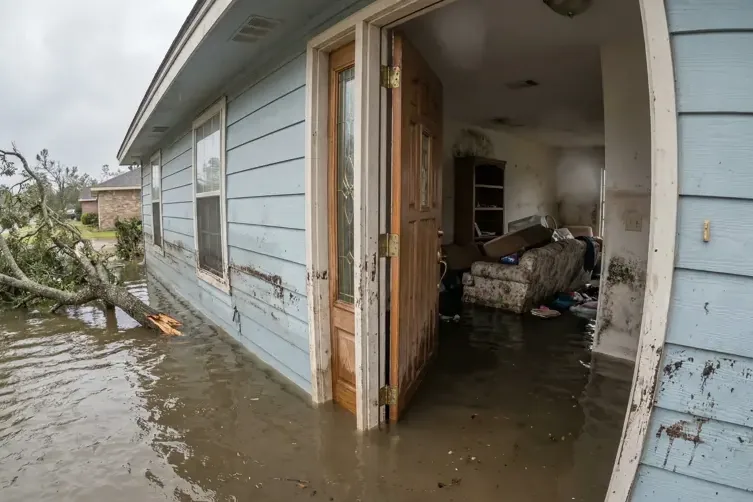
- River and slough water: The Stillaguamish River, Davis Slough and Irvine Slough make outside-water entry a distinct question during the initial assessment.
- Older public water infrastructure: A July 2026 notice described replacement work for the late-1940s main along Cedarhome Drive and Park Drive. Indoor source checks remain property-specific.
- Different building eras: Historic downtown and East Stanwood sit alongside later uphill development. The technician identifies actual wall and floor layers rather than assuming a uniform construction.
- Concealed plumbing spread: Supply water can pass beneath partitions and behind cabinets. A moisture map includes adjoining rooms even when only one puddle is visible.
- Drainage and contamination: Outside water and sewage change cleaning and removal decisions. Protected cleanup comes before unrestricted airflow through affected porous materials.
Stanwood water damage questions
What should happen first after an indoor leak?
Safe source control comes first when a valve is reachable without entering an electrical or structural hazard. The extraction crew then removes available water and maps affected materials. A stopped leak still needs checks beneath floors and inside wall bases before the room can be considered dry.
Is emergency dispatch available overnight?
Dispatch operates 24/7 for water and sewage losses. Report the active source, discovery time, affected rooms and safe access conditions. The team assesses the work from those details and the property inspection; no fixed arrival time or drying duration replaces that assessment.
How long does a typical dry-out take?
An accessible clean-water loss often dries over several days. Dense wood, concrete and layered floors can take longer, especially when access is restricted. The technician follows repeat material readings and adjusts equipment when progress changes instead of ending the job on a calendar estimate.
Can wet drywall remain in place?
Sound drywall may have retention options when the water category and drying access support them. Sagging, contamination, damage or moisture trapped behind a resistant finish can require removal. The crew records the reason and boundaries before opening the assembly so the owner understands the scope.
Why does sewage need a different cleanup?
Sewage is Category 3 immediately. The team contains the affected area, removes unsuitable porous materials and cleans durable surfaces before product treatment and drying. Household fans and surface wiping do not replace that sequence and can spread contamination into previously clean rooms.
Will an insurance policy cover the damage?
The insurer evaluates coverage under the actual policy and water source. Sudden indoor discharge and rising floodwater can be handled differently. Photos, moisture maps, drying logs and an itemized scope support the discussion, while the owner keeps source repair and reconstruction records separately.
Does a dry floor surface mean the job is finished?
Floor coverings can conceal moisture in pad, underlayment or a slab. Wall bases and adjacent rooms may also remain wet after the visible pool disappears. The drying specialist checks the assembly and records an appropriate endpoint instead of relying on touch or surface appearance.
What makes the cost vary between two losses?
Water category, affected floor area, material layers and access all change labor, removal and equipment needs. The delay before drying can also affect what remains recoverable. A written scope should distinguish mitigation from plumbing, roofing or finish replacement so the total work is clear.
Can a business operate while equipment is running?
Some buildings allow separation between a safe occupied area and the work zone. Contamination, utilities, exits and the wet assembly determine whether that is practical. The response team coordinates with an authorized contact and documents restrictions without promising uninterrupted business use.
Turn the visible water into a clear recovery plan
The crew follows the source, wet materials and safe access conditions to plan extraction, drying and the remaining repair handoff.
Stanwood, WA · Water and sewage cleanup