Appliance Leak Water Damage in Stanwood, WA
The mitigation crew distinguishes supply water from appliance wastewater, checks behind cabinets and machines, and dries concealed floor layers after the failed connection or appliance is isolated.
(888) 509-1696Check beneath the leaking appliance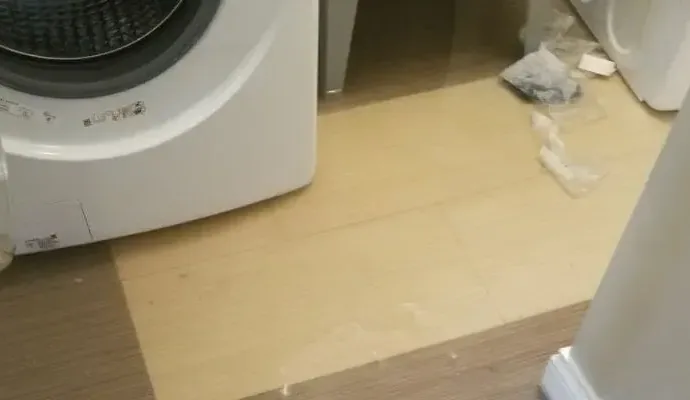
What to do now about appliance leak water damage in Stanwood
Stop the active cycle safely
Use a dry accessible control only when safe, and close a reachable supply valve if the leak continues independently of the machine cycle.
Leave wet plugs alone
Avoid unplugging or moving an appliance while standing on a wet floor, and report any water around sockets or the electrical connection.
Record the discharge type
Note whether the leak involved fresh supply water, used wash water or drain backup so the crew can plan the contamination assessment.
Check nearby rooms visually
From dry access, look for water at cabinet ends, adjoining walls or the ceiling below, without lifting finishes or moving a connected machine.
How the team handles appliance leak water damage in Stanwood
Identify the release
The technician records the appliance function and water route, distinguishing a supply failure from wastewater before selecting cleaning, removal and drying methods for the area.
Reach concealed edges
The team coordinates safe appliance access and examines toe kicks, wall bases and floor transitions, documenting water trapped outside the visible machine footprint.
Remove unsuitable materials
The crew discusses swollen or contaminated porous finishes and extracts remaining water, then sets airflow and dehumidification around the sound structure that remains.
Confirm cabinet-area drying
Repeat readings track the recess, adjacent room and floor layers, while the completion record separates appliance repair from any cabinet or flooring replacement still required.
What does appliance leak water damage cost in Stanwood, WA?
Appliance leak mitigation commonly costs $600 to $4,500. Hidden cabinet damage, contaminated discharge and multiple floor layers increase the work. Appliance repair, replacement cabinets and new flooring are separate scope considerations.
Small accessible spill
- Surface extraction
- Recess inspection
- Initial moisture checks
Cabinet-edge spread
- Toe-kick access
- Wall-base drying
- Material decisions
Concealed or upper-floor loss
- Several wet layers
- Ceiling checks
- Broader equipment layout
Water category, square footage, material class and the delay before drying change the scope. These ranges support planning, not a quote. Compare the inputs in the water damage cost calculator before discussing the wet areas and access.
Water from a dishwasher, washer or refrigerator can travel beneath cabinetry before the household sees it. The Stanwood technician starts with the discharge type and the appliance location, then maps the floor edges and adjoining room. A stopped cycle does not necessarily stop a pressurized supply hose from leaking.
Distinguish the water leaving the appliance
A supply connector leak and a used wash-water release need different contamination decisions. The crew asks what the machine was doing, whether detergent or food residue appears and how long the wet area may have remained. An appliance repair addresses the equipment; mitigation addresses water inside the building assembly.
Homes in Cedarhome and East Stanwood, along with properties near Market Street, can have different kitchen and utility-room layouts. The technician checks the installed cabinets and floor layers rather than assuming the appliance sits on an exposed, easily dried surface.
Reach water hidden under the cabinets
Toe kicks, underlayment and a tight machine recess can block evaporation. The team discusses safe appliance movement and selective finish removal before pulling anything apart. Water behind a cabinet can also wet the shared wall of an adjacent room. Moisture measurements should follow those edges even after the open floor has been extracted.
- Record the machine, connector and visible discharge before repair or replacement.
- Check cabinet ends and wall bases where water can escape from the appliance recess.
- Inspect the room below an upper-floor washer without standing under a wet ceiling.
- Separate appliance service from cabinet, flooring and structural drying decisions.
Match drying to the materials that remain
The extraction crew removes accessible liquid before dehumidification handles moisture released from exposed surfaces. Swollen composite cabinets or damaged flooring may need replacement rather than continued drying. Sound framing can remain when the water category and access support recovery. The technician records why materials are retained or removed.
A wood floor needs its own readings, as described under hardwood floor water damage. The final assessment looks beneath the appliance footprint and at connected surfaces, not just the area where towels absorbed visible water.
Do not pull a wet powered appliance
Occupants should avoid plugs, controls and extension cords in the wet area. A connected machine can also damage supply or drain fittings when moved. The response team establishes safe isolation and access before repositioning equipment or opening cabinets, keeping the household away from water around electrical components.
Put the wet area first
Name the appliance, discharge type and any water under cabinets. Those details help the crew assess hidden floor layers and safe equipment access.
(888) 509-1696Discuss the appliance water routeFor public safety information, review flood precautions and the EPA indoor air information.
Appliance leak water damage in Stanwood
Restoration coverage includes ZIP 98292, downtown, East Stanwood and Cedarhome. The team checks safe access before moving extraction equipment into wet rooms. Report the water source, the affected floor and whether electricity reaches the damaged area.
Camano and Granite Falls also appear in the service area directory.
Related water damage services
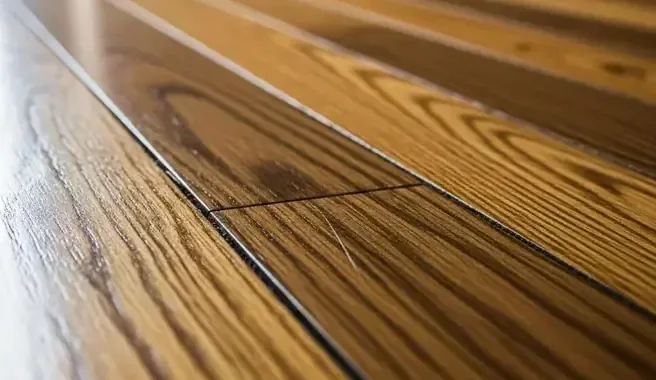 Hardwood Floor Water DamageWood and subfloor readings determine drying options before sanding or replacement decisions.
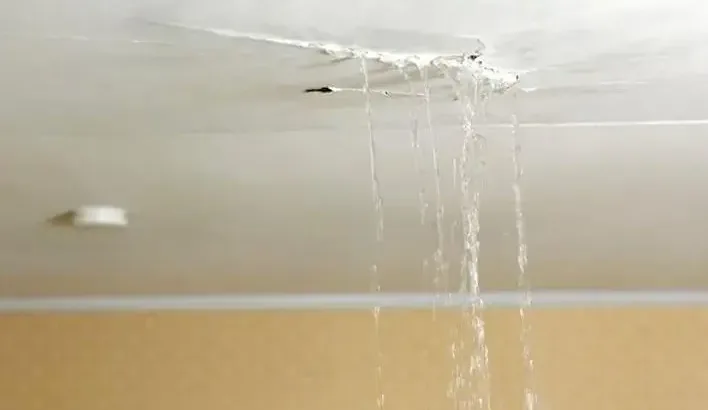 Ceiling Leak Water DamageOverhead water requires a collapse check before wet drywall and concealed joists are assessed.
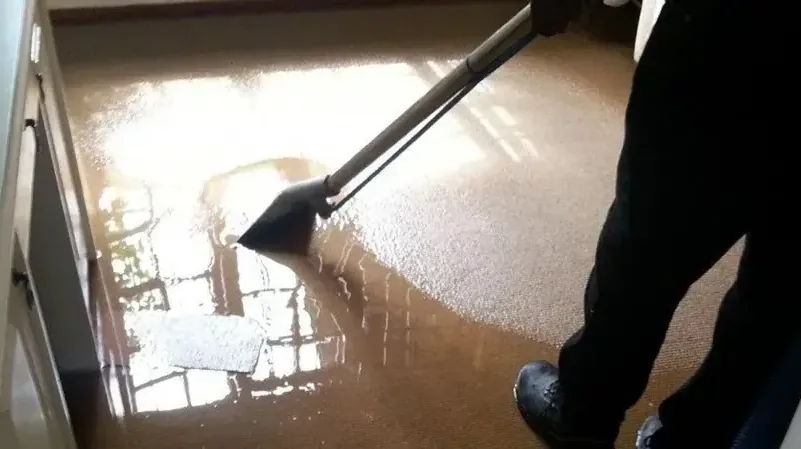 Water ExtractionExtraction removes standing water and exposes the wet edges beneath trim and flooring.
Appliance Leak Water Damage questions in Stanwood
Does turning off a washer stop a hose leak?
A pressurized supply hose can continue leaking even after the machine stops. A safe, accessible valve may need closing, while the appropriate repair addresses the connector or equipment. Occupants should not reach behind a powered appliance from a wet floor to attempt that isolation.
Why does a dishwasher leak require a contamination check?
Water from the supply differs from used wash water carrying food residue and detergent. The technician identifies the discharge and evaluates its time in contact with building materials. That assessment affects cleaning and whether porous flooring, pad or cabinetry can remain in the drying plan.
Can cabinets stay while the floor dries?
The answer depends on cabinet condition and access to wet layers beneath or behind them. Selective toe-kick removal may expose some areas, while swollen or contaminated materials may need replacement. The team documents the reason for each opening instead of treating every cabinet the same way.
What if the floor looks dry after towels absorb the water?
Towels remove surface liquid but may leave water beneath a finish or inside a cabinet recess. The moisture map checks those concealed edges and adjoining walls. Material readings at the concealed edges establish the drying endpoint for the appliance loss.
Who repairs the leaking machine?
An appliance or plumbing professional handles the failed component as appropriate. The mitigation crew extracts escaped water, evaluates affected materials and documents drying. Keeping those scopes clear helps the household understand which work prevents another leak and which work recovers the existing damage.
When should an appliance leak be reported?
An active release, spreading floor moisture or water reaching another level warrants prompt assessment. Dispatch operates 24/7. Report the machine type, discharge timing and any electrical concern, then keep the household out of the wet equipment area until safe access and isolation are established.
Dry beyond the machine footprint
Cabinet edges and floor layers can remain wet after the appliance stops. Measurements identify the remaining recovery work.
Stanwood, WA · Water and sewage cleanup