Roof Leak Water Damage in Stanwood, WA
The drying crew follows rainwater from the attic into ceiling and wall assemblies, removes damaged wet insulation where needed and measures the framing before finishes are restored.
(888) 509-1696Trace the rainwater indoors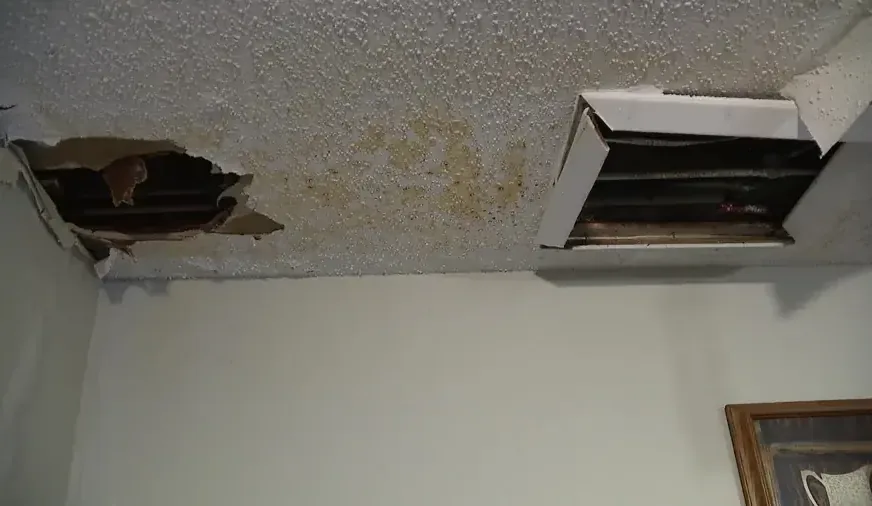
What to do now about roof leak water damage in Stanwood
Keep the drop zone clear
Move people away from bowed ceilings and wet light fixtures, leaving furniture in place if retrieving it requires entering an unsafe overhead area.
Avoid roof access
Leave wet-roof inspection and temporary weather protection to an appropriate roofing professional instead of climbing a ladder during rain or uncertain footing.
Record rain timing
Note which storm or shower preceded the leak and photograph visible stains from below without opening the ceiling or disturbing electrical fixtures.
Report attic conditions
Explain whether there is safe attic access and whether insulation is dripping, helping dispatch plan the interior inspection around the actual entry route.
How the team handles roof leak water damage in Stanwood
Trace the interior path
The technician checks accessible decking, insulation and ceiling edges, recording where rainwater traveled before deciding which materials need opening or removal for drying.
Coordinate weather protection
The roof-source repair controls new rain entry while the mitigation crew protects occupied rooms and confirms that the affected assembly is no longer being wetted.
Expose and dry framing
The team removes damaged wet insulation where necessary, then directs controlled airflow and dehumidification toward accessible wood without covering the household’s safe exit route.
Check after source control
Repeat moisture measurements establish progress, and the final record separates dried framing from roof repairs and interior finish work that still need completion.
What does roof leak water damage cost in Stanwood, WA?
Interior roof leak mitigation typically ranges from $1,000 to $5,500. Wet insulation, multiple ceiling bays and difficult attic access increase the scope. Roofing repairs and replacement interior finishes are separate considerations.
Small ceiling patch
- Local moisture map
- Limited access
- Short equipment setup
Attic and room damage
- Insulation assessment
- Framing exposure
- Ceiling-edge drying
Broad overhead loss
- Several wet bays
- Controlled removal
- More monitoring points
Water category, square footage, material class and the delay before drying change the scope. These ranges support planning, not a quote. Compare the inputs in the water damage cost calculator before discussing the wet areas and access.
A ceiling stain can sit away from the roof opening that caused it. Rainwater follows decking, rafters and insulation before it reaches a visible finish. The Stanwood restoration team maps that interior route while a roofing professional addresses the entry point. Drying cannot progress reliably when each rain event feeds the same cavity.
Track rainwater through the assembly
The city’s flood preparedness information emphasizes heavy rain at the lower Stillaguamish River. A roof leak, however, is an envelope problem rather than proof of river flooding. The technician records whether staining follows rain and checks the attic access, roof decking and insulation where a safe inspection is possible.
Market Street and East Stanwood contain historic commercial areas, while the city describes later uphill development during the 1990s. Roof shape and ceiling construction vary by building. The crew assesses the actual layers instead of assuming that a neighborhood name identifies the source or repair method.
Protect occupied rooms beneath wet ceilings
Waterlogged drywall can sag or lose strength. The team establishes an exclusion area under unstable material and checks nearby lights or wiring before opening the ceiling. Wet insulation may need removal to expose framing and stop water from continuing to drain into a finished room. The removal scope should be explained and photographed.
- Record the first stain location and the rainfall timing without climbing onto a wet roof.
- Check the wall below the stain for water that traveled behind paint or trim.
- Keep furnishings outside the drop zone beneath swollen or bowed ceiling materials.
- Document roof-source repair separately from the interior extraction and drying record.
Dry framing before rebuilding the finish
Once water entry is controlled, the drying specialist uses readings to select airflow and dehumidification. Attic access and the position of wet framing influence equipment placement. Dense wood and concealed corners may require longer monitoring than a small visible patch suggests. Equipment remains tied to the drying objective rather than an arbitrary calendar date.
The ceiling water damage page explains overhead material decisions. A roof-origin loss also needs confirmation that rain no longer enters. The final record should show the wet path, removal boundaries and remaining roof or interior repair tasks.
Stay below safe, stable surfaces
Occupants should not climb onto a wet roof, walk on unsupported attic surfaces or puncture a sagging ceiling. The response team checks access and overhead stability before work begins. Water around light fixtures requires electrical assessment, and the household should avoid operating affected lights or fans until the area is safe.
Put the wet area first
Explain the rain timing, stain location and any ceiling movement. The team plans a safe interior inspection around the wet overhead assembly.
(888) 509-1696Discuss rain entry damageFor public safety information, review flood precautions and the EPA indoor air information.
Roof leak water damage in Stanwood
Restoration coverage includes ZIP 98292, downtown, East Stanwood and Cedarhome. The team checks safe access before moving extraction equipment into wet rooms. Report the water source, the affected floor and whether electricity reaches the damaged area.
Camano and Granite Falls also appear in the service area directory.
Related water damage services
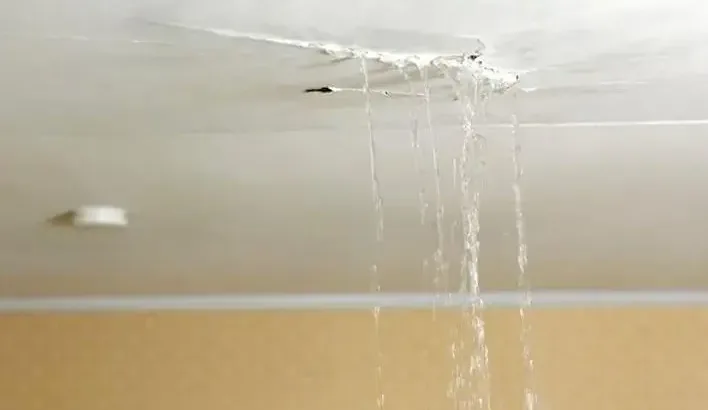 Ceiling Leak Water DamageOverhead water requires a collapse check before wet drywall and concealed joists are assessed.
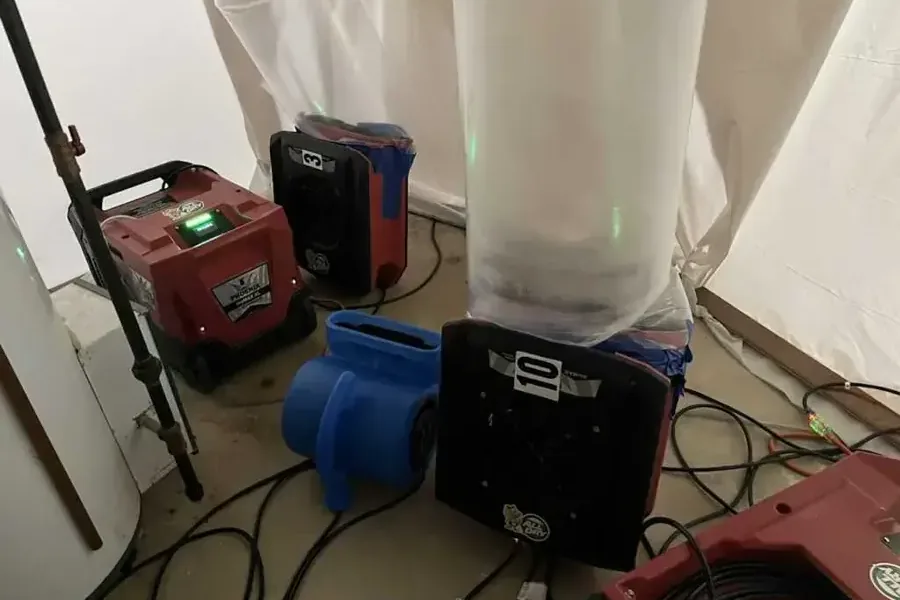 Structural DryingDehumidification and measured airflow remove retained moisture from building materials.
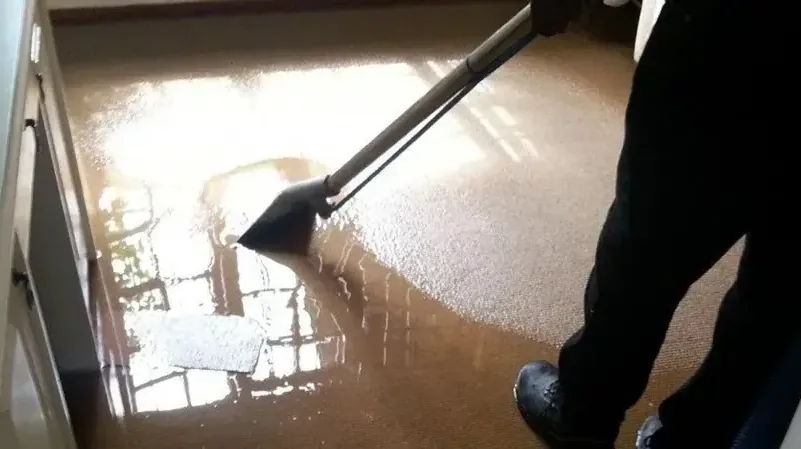 Water ExtractionExtraction removes standing water and exposes the wet edges beneath trim and flooring.
Roof Leak Water Damage questions in Stanwood
Does the stain identify the roof opening?
Rainwater can travel along roof framing and insulation before reaching the ceiling finish. The visible stain marks an exit point, not necessarily the original opening. The technician follows accessible moisture while the roofing professional investigates the exterior source and appropriate weather protection.
Can interior drying start before the roof is repaired?
Emergency water removal and protection may begin once access is safe, but continued rain entry undermines drying. The two scopes need coordination. The team records temporary protection and source control so repeat readings reflect material recovery rather than ongoing wetting during another shower.
Why remove wet attic insulation?
Saturated insulation can hold moisture against wood and continue dripping onto the ceiling below. Its condition, contamination and drying access determine whether it can remain. Removal can expose the framing for measurement and airflow, while replacement insulation belongs in the subsequent repair scope.
Should a household poke a hole in a ceiling bulge?
A bulge can contain water and weakened material near wiring. Occupants should stay outside the drop zone and avoid puncturing it. The response team establishes safe access and electrical conditions before controlled drainage or removal, protecting the room below from an uncontrolled collapse.
How does the crew know the roof-loss framing is dry?
Technicians record repeat readings at the affected wood and compare them with suitable dry reference material. They also inspect concealed corners and adjoining wall edges. Tests of attic framing and insulation complete the assessment above the visible ceiling finish.
What belongs in the insurance documentation?
The file can include the rain timeline, initial stains, roof-source observations, interior moisture maps and photos before material removal. Drying logs explain the mitigation stage. The insurer evaluates coverage, including any distinction between the roof repair and resulting interior water damage, under the actual policy.
Give the wet attic and ceiling a drying path
Source control stops new rainwater. Selective access and repeat readings address the moisture already inside the structure.
Stanwood, WA · Water and sewage cleanup