Commercial Water Damage in Stanwood, WA
The commercial response team maps wet business areas, protects safe access and coordinates extraction and drying around the building layout, affected contents and the authorized work scope.
(888) 509-1696Plan the business water response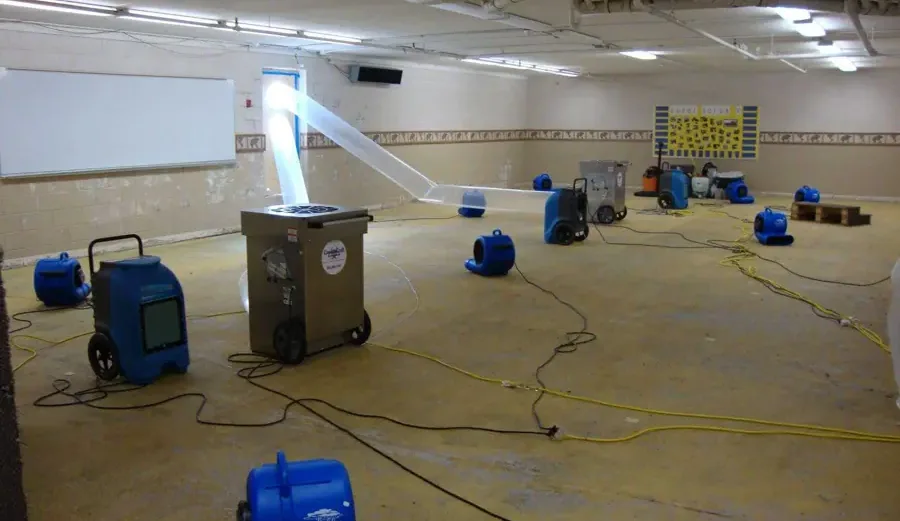
What to do now about commercial water damage in Stanwood
Protect people first
Move staff and visitors away from wet electrical equipment, unstable ceilings or contaminated rooms, maintaining a clear exit and following any emergency instructions.
Identify an authorized contact
Choose the person who can discuss building access, contents priorities and work approval, so the response team can coordinate the assessment without conflicting directions.
Record affected operations
Describe the rooms, stock and equipment reached by water, noting any shared walls or lower spaces that may connect the loss to another area.
Preserve safe documentation
Photograph visible conditions before moving contents where safe, and keep purchase or inventory records available without retrieving them from an electrically unsafe room.
How the team handles commercial water damage in Stanwood
Map the business loss
The technician identifies water category and wet assemblies, then works with the authorized contact to establish access, utility concerns and the boundary of usable space.
Extract around priorities
The crew removes available water while protecting safe routes, coordinating necessary contents movement and documenting materials that obstruct access to hidden moisture in the building.
Set controlled drying zones
Equipment placement follows the affected volume and available power, with hoses and cords managed so the work area remains separate from any safely occupied space.
Report progress and handoff
Repeat readings and scope updates explain the drying status, while the final record distinguishes completed mitigation from repairs, contents decisions and occupancy conditions still outstanding.
What does commercial water damage cost in Stanwood, WA?
Commercial water damage mitigation often begins around $2,500 and can exceed $15,000. Affected floor area, contamination, contents handling and access restrictions determine the scope; business losses and reconstruction are separate considerations.
Small office or shop loss
- Defined wet area
- Accessible extraction
- Limited contents movement
Several business areas
- Multiple drying zones
- More documentation
- Coordinated access
Extensive building impact
- Broad equipment needs
- Complex material access
- Phased mitigation planning
Water category, square footage, material class and the delay before drying change the scope. These ranges support planning, not a quote. Compare the inputs in the water damage cost calculator before discussing the wet areas and access.
A wet business needs a plan for people, property and the affected building materials. The Stanwood restoration team identifies safe routes, utility concerns and the rooms reached by water before placing equipment. A manager or authorized representative helps define access and contents priorities, while the moisture map establishes the actual mitigation area.
Match the work plan to the business layout
The city describes a historic waterfront business area, the East Stanwood district and a later uphill commercial center. Market Street and Pioneer Highway remain useful location references. Those different settings can bring different entrances, storage layouts and floor assemblies, so the response crew inspects the premises rather than assuming every business can stay open during work.
The first assessment separates dry usable space from wet or contaminated areas. Emergency exits must remain clear, and equipment cords and hoses need a protected route. A phased work plan may be possible when the building conditions support it, but safe occupancy determines the boundary.
Document contents before the room changes
Stock, files, furniture and equipment can block access to wet walls and floors. The team coordinates movement with the authorized contact and records damaged items before disposal where practical. Electronic equipment and electrical systems require the appropriate specialist; a qualified electrical assessment determines whether a wet device can return to service.
- Record the discovery time, affected business areas and any source isolation already completed.
- Identify critical access paths and keep emergency exits separate from the work zone.
- Photograph stock and furnishings before moving them to expose wet floor or wall edges.
- Separate mitigation, contents handling and repair responsibilities in the written scope.
Track drying against a documented baseline
The technician checks wall bases, floor layers and adjoining tenant spaces when the water route reaches them. Equipment capacity follows the affected volume and material class. Repeat measurements show whether a concealed assembly needs added access rather than simply more operating time.
The structural drying service explains those measurements in detail. The completion record identifies dry structure, remaining repair work and any unresolved source or utility condition. Reopening decisions should follow that condition assessment and the relevant responsible parties, not a promised business interruption duration.
Keep occupancy decisions tied to conditions
Staff and visitors should stay outside contaminated, electrically unsafe or structurally unstable areas. The response team checks the work boundary before setting extraction equipment. A dry reception area does not make adjoining wet rooms safe, and no stock retrieval should block an exit or require crossing standing water.
Put the wet area first
Describe the affected business areas, access restrictions and authorized contact. The response team plans the assessment around safe routes and documented contents priorities.
(888) 509-1696Discuss the building water lossFor public safety information, review flood precautions and the EPA indoor air information.
Commercial water damage in Stanwood
Restoration coverage includes ZIP 98292, downtown, East Stanwood and Cedarhome. The team checks safe access before moving extraction equipment into wet rooms. Report the water source, the affected floor and whether electricity reaches the damaged area.
Camano and Granite Falls also appear in the service area directory.
Related water damage services
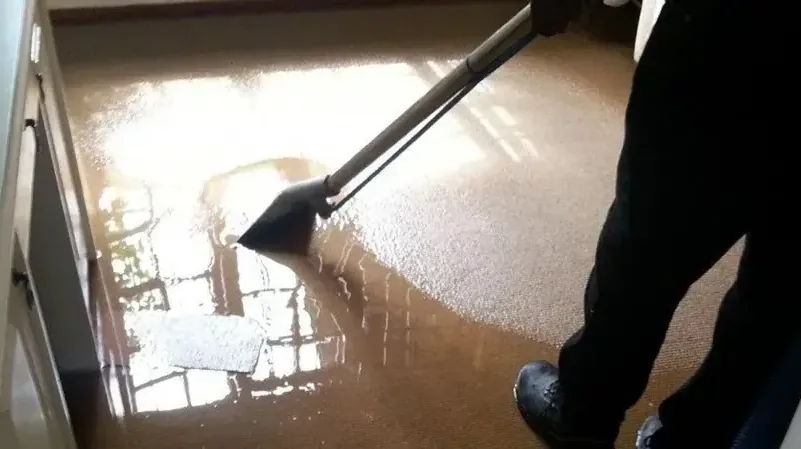 Water ExtractionExtraction removes standing water and exposes the wet edges beneath trim and flooring.
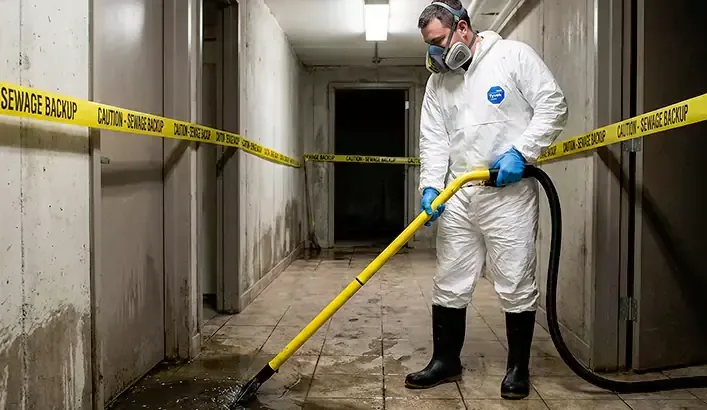 Sewage Backup CleanupCategory 3 wastewater needs containment, porous-material removal and controlled surface treatment.
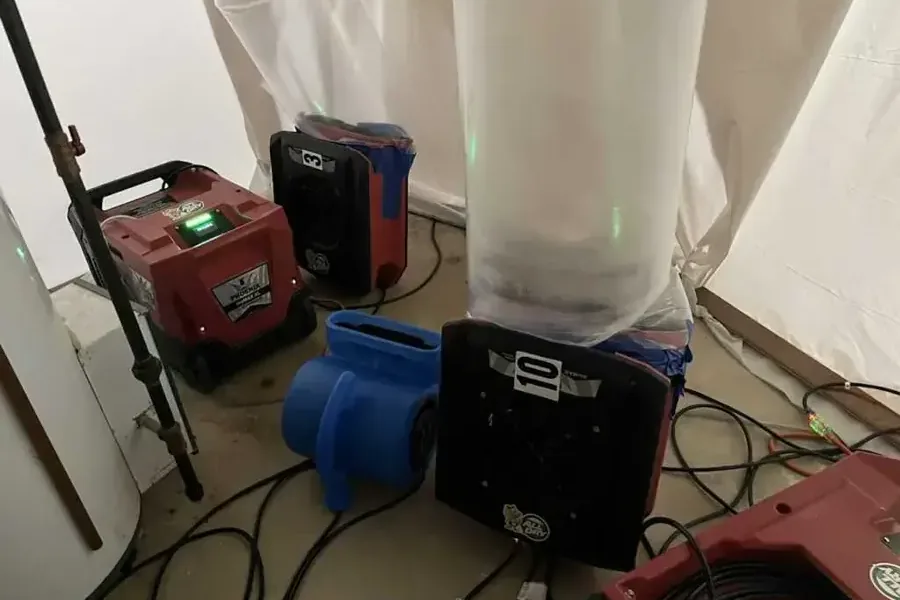 Structural DryingDehumidification and measured airflow remove retained moisture from building materials.
Commercial Water Damage questions in Stanwood
Can the business remain open during drying?
That depends on contamination, utilities, safe exits and separation of the work area. The team may discuss phased work when conditions allow, but continued operation is not promised. Occupied space must remain safe while extraction, removal and equipment use proceed in the affected areas.
Who authorizes the commercial scope?
The owner, manager or another properly authorized representative should agree to access, scope and pricing with the responding provider. A single clear contact helps coordinate contents priorities and building restrictions. The mitigation record should identify decisions and changes as the extent of hidden water becomes clearer.
How does the crew protect inventory records?
The team coordinates safe contents movement and photographs affected stock or furnishings before the area changes. The business should preserve its own inventory and purchase records. Electrical devices and sensitive materials may need separate specialist evaluation rather than being treated as ordinary floor-cleaning items.
Are neighboring suites inspected?
When moisture follows a shared wall, floor or ceiling, the assessment may need to extend beyond the first room. Access must be coordinated with the responsible parties. The technician documents those boundaries so drying does not stop at a lease boundary while the connected assembly remains wet.
What information belongs in a commercial loss file?
Useful records include the discovery timeline, water source, affected rooms, contents observations, photographs and itemized mitigation work. Daily material and air readings explain progress. The insurer evaluates any building, contents or business interruption claim under the applicable policy rather than the drying contractor making coverage promises.
Is emergency commercial dispatch available after closing?
Dispatch operates 24/7. The caller should identify safe building access, an authorized contact and known hazards, including wet electrical systems or sewage. Those details help the team plan the assessment and equipment route without asking staff to enter an unsafe area before arrival.
Give the business a documented recovery plan
A mapped scope and repeat readings show what the building needs before repairs and normal use can proceed.
Stanwood, WA · Water and sewage cleanup