Water Damage Restoration in Camano
A wet cabin discovered after an absence needs a different starting point than a witnessed spill. Cleanup begins by locating the source, checking safe access and mapping the affected materials.
(888) 509-1696Discuss the wet roomsDescribe the last dry visit, current water movement and rooms affected so the initial assessment starts with useful details.
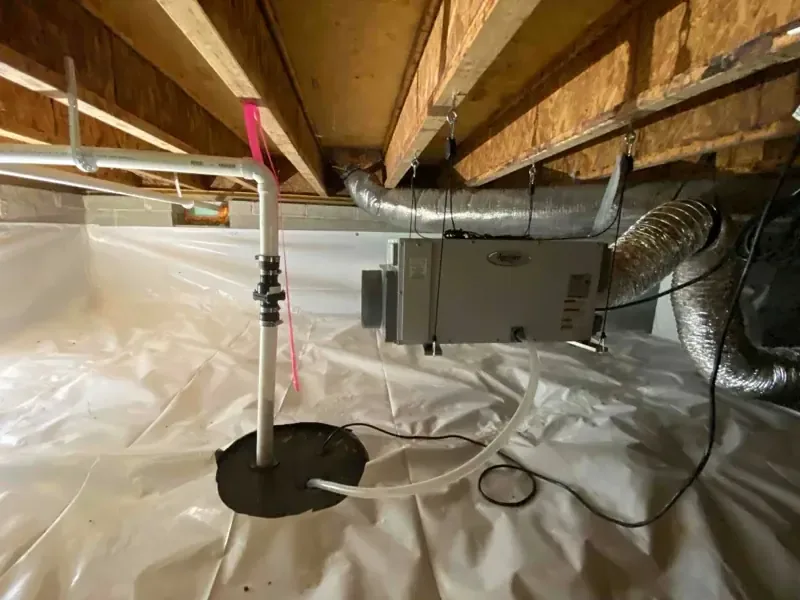
First steps when a property is wet
Keep the approach safe
Water near sockets, a drooping ceiling or an unstable floor makes entry unsafe. Keep occupants outside the affected space until assessed.
Stop an accessible supply
Close a known water valve only from a dry position. Shared supply arrangements need coordination before a valve affecting another property is operated.
Record the discovery
Photograph visible damage without moving through water. Note when the space was last dry and whether appliances were operating at discovery.
Protect dry belongings
Move accessible items from the dry side of the room. Leave heavy furniture and soaked electrical equipment for an appropriate assessment.
Describe the water route
Explain whether water arrived from outside, plumbing or an overhead leak. Mention private septic or well equipment that might also be affected.
Water restoration for rooms and hidden spaces
Select the problem that best matches the damage. Each service explains the affected materials, practical safety concerns and decisions that shape removal and drying.
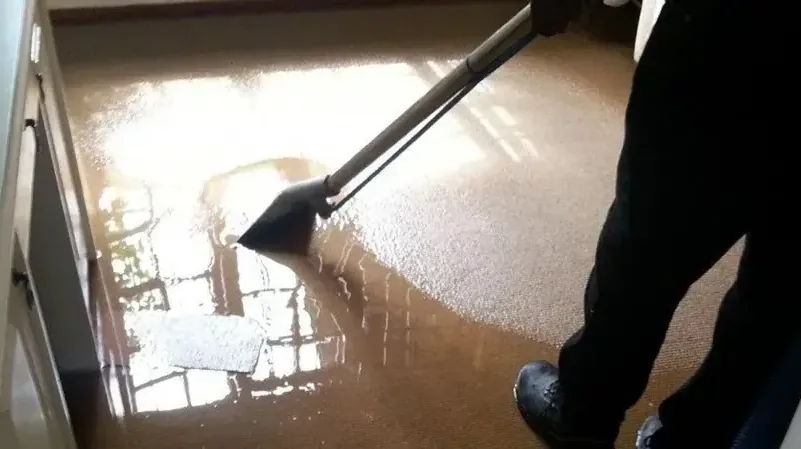
Water Extraction
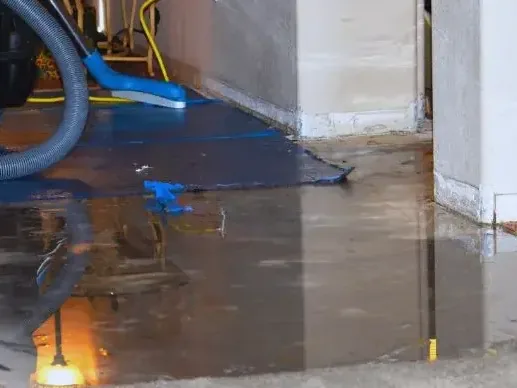
Standing water needs removal before soaked materials can dry. Equipment selection follows depth, access and source.
Water Extraction details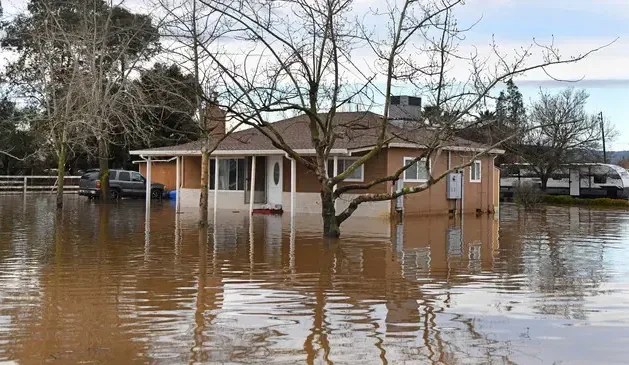
Flood Cleanup
Outside water leaves sediment behind. Material decisions and cleaning come before the final drying assessment.
Flood Cleanup details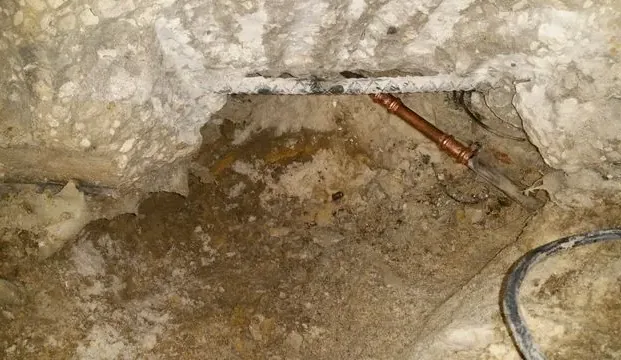
Slab Leak Water Damage
Damp flooring above concrete deserves a source investigation. Supply repairs and moisture beneath finishes require separate attention before replacement materials are installed.
Slab Leak Water Damage details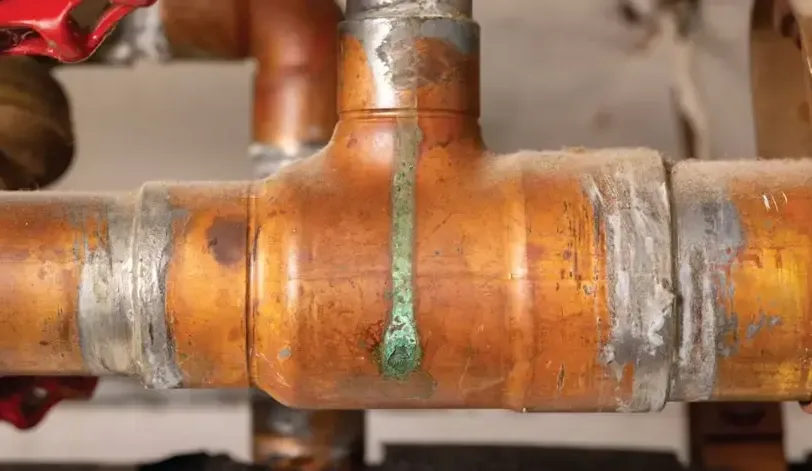
Burst Pipe Water Damage
A sudden pipe opening can wet several connected cavities. Trace the spray path and wall bottoms after the supply has been isolated.
Burst Pipe Water Damage details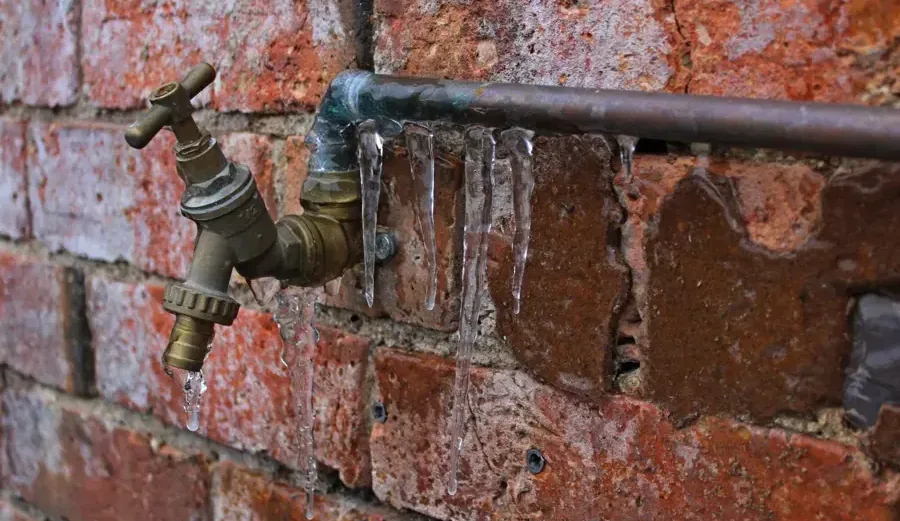
Frozen Pipe Water Damage
Water escaping during thawing needs a controlled response. Inspect the damaged pipe and adjoining insulation before assuming the leak stayed contained.
Frozen Pipe Water Damage details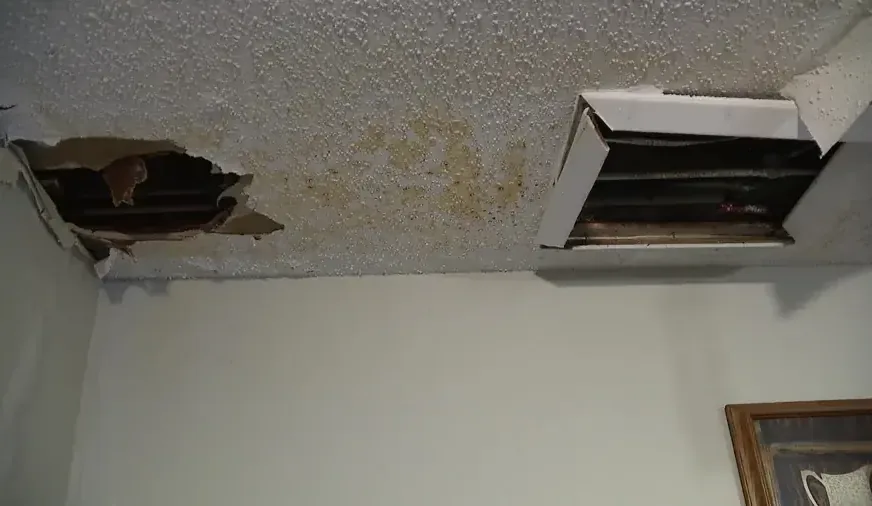
Roof Leak Water Damage
Rain entering overhead may travel along framing before appearing indoors. Drying follows the concealed route while roof repair addresses the opening.
Roof Leak Water Damage details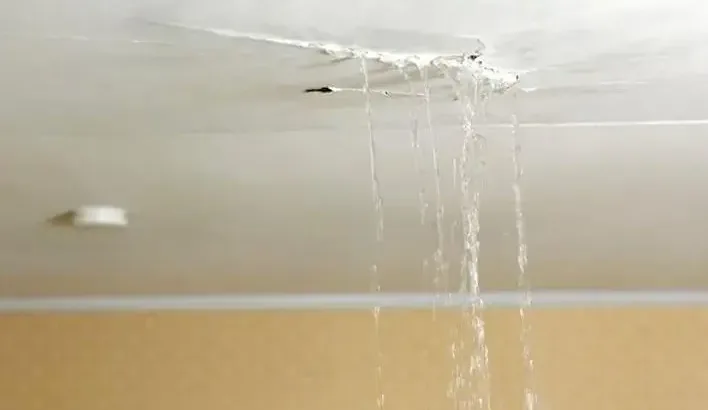
Ceiling Leak Water Damage
A dripping ceiling creates hazards below as well as damage above. Restrict access until the load and source can be assessed.
Ceiling Leak Water Damage details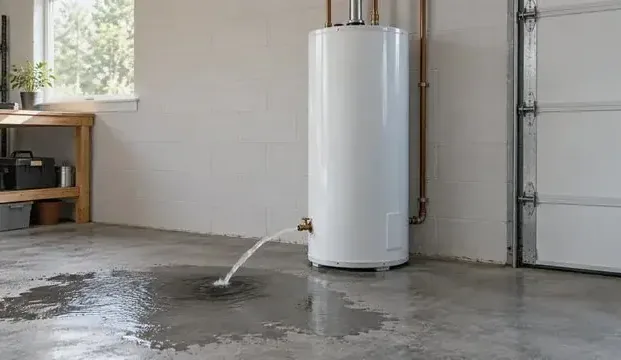
Water Heater Leak Cleanup
Tank water can slip beneath a closet threshold unnoticed. Separate equipment repair from cleanup of the floor, trim and surrounding walls.
Water Heater Leak Cleanup details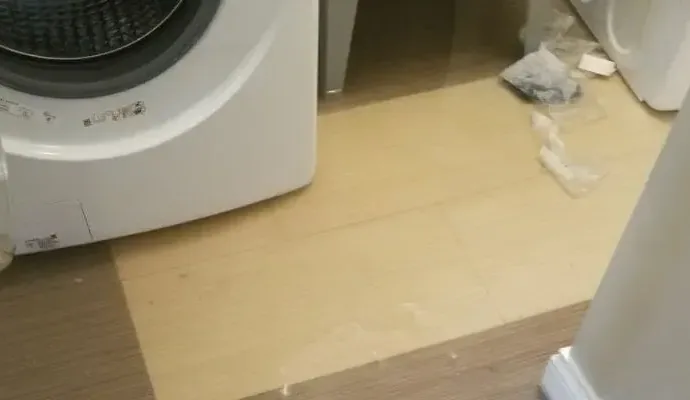
Appliance Leak Water Damage
A washer overflow differs from a supply hose leak. Identify the discharge before deciding how cabinets, flooring and nearby belongings should be handled.
Appliance Leak Water Damage details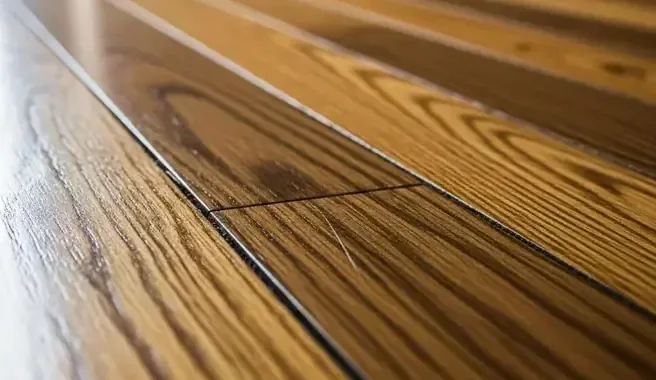
Hardwood Floor Water Damage
Raised board edges call for measurements through the floor assembly. Surface appearance alone cannot settle whether drying or replacement is appropriate.
Hardwood Floor Water Damage details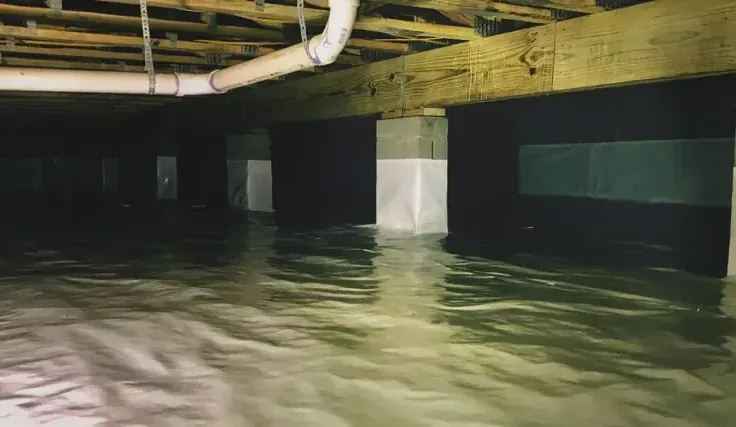
Crawl Space Water Removal
Pooling beneath a home needs a safe entry plan. Check electrical hazards and the incoming route before arranging removal and framing drying.
Crawl Space Water Removal details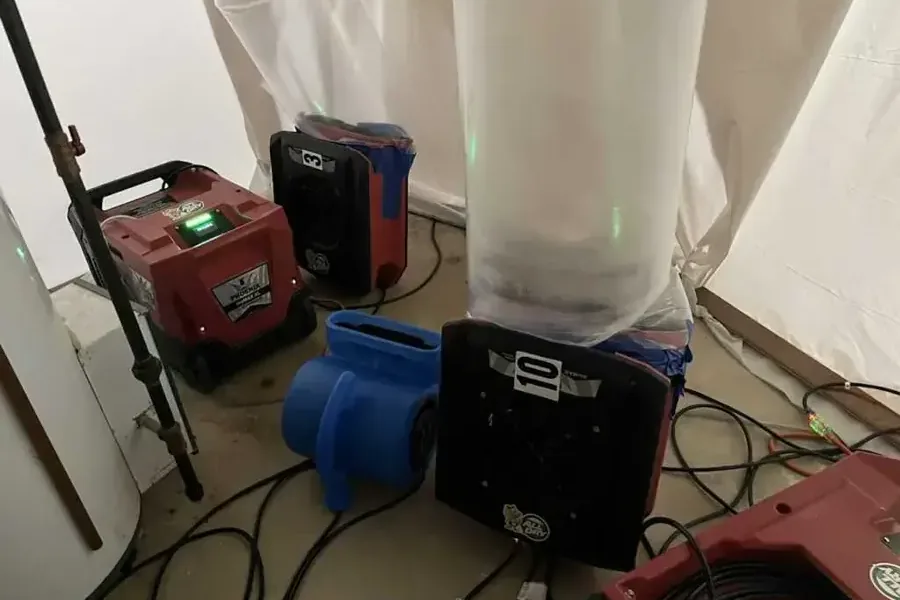
Structural Drying
Residual moisture persists after visible water disappears. Equipment placement and repeated material readings establish when walls and floors are ready for repairs.
Structural Drying details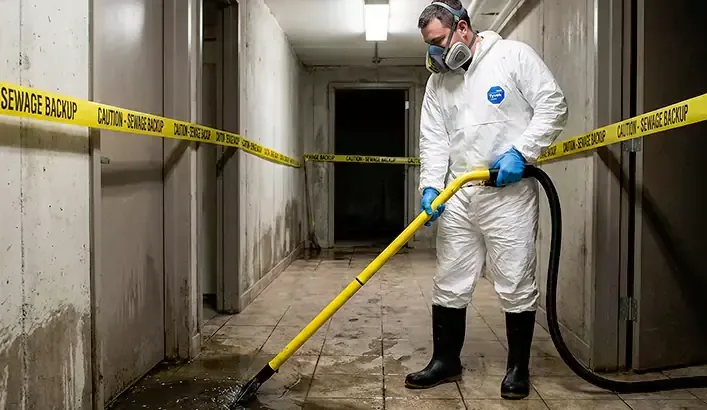
Sewage Backup Cleanup
Wastewater requires restricted access and controlled disposal. Affected porous materials and the drainage fault receive separate attention during the cleanup plan.
Sewage Backup Cleanup details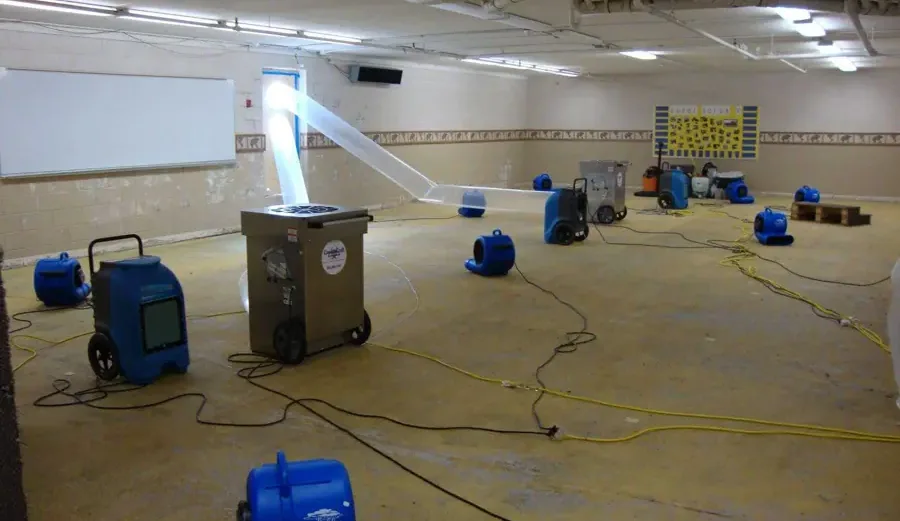
Commercial Water Damage
Business cleanup must account for people, inventory and access. Divide affected spaces into practical work areas and document reopening decisions by zone.
Commercial Water Damage detailsStructural drying needs a documented stopping point
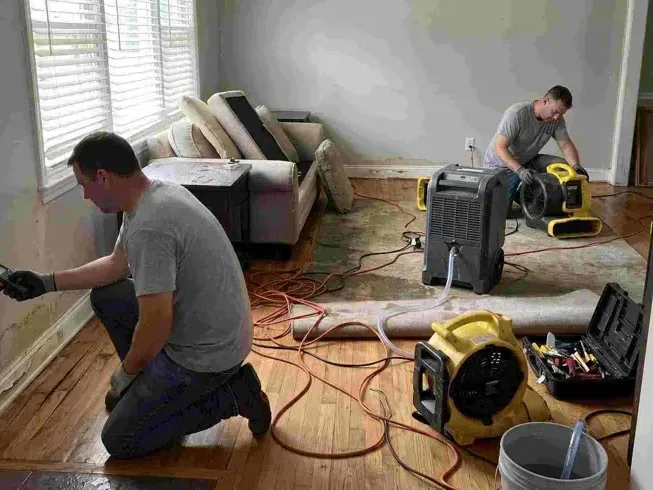
A drying plan connects moisture readings to material decisions. Equipment stays useful only when its placement, airflow and moisture removal suit the affected assembly and progress is checked.
Define the wet boundary
Inspect adjoining rooms and cavities rather than stopping at the visible stain. Identify materials that need access before effective drying can begin.
Remove accessible water
Extract pooled water and manage damaged materials in a sequence that protects clean rooms. Contaminated losses require separate cleaning and handling decisions.
Adjust the drying conditions
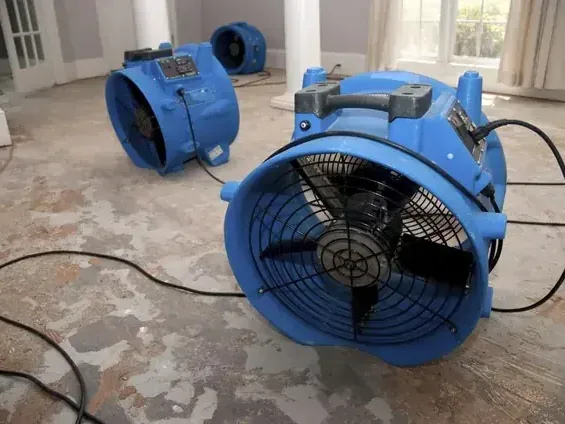
Position equipment for the remaining moisture and available power. Assess readings during followup visits and change the setup when progress reveals a hidden obstacle.
Document readiness for repairs
Compare final measurements with suitable dry references. Record remaining repair needs so new finishes do not conceal an unresolved source or wet substrate.
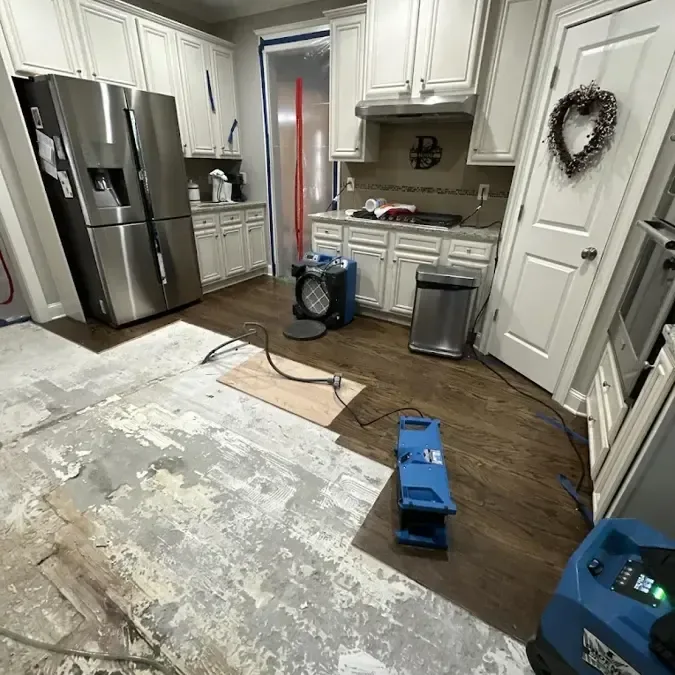
A drying plan follows the materials
Maple Grove includes primary residences and seasonal cabins. Occupancy history helps explain discovery timing, while inspection determines how far water has traveled inside each individual property.
Discovery history
A last dry visit establishes the available timeline. Photographs and observations help distinguish a recent event from damage found after an extended absence.
Separate source work
A plumber, roofer or wastewater specialist may need to resolve the cause. Restoration addresses the wet building materials left behind by that problem.
Measured decisions
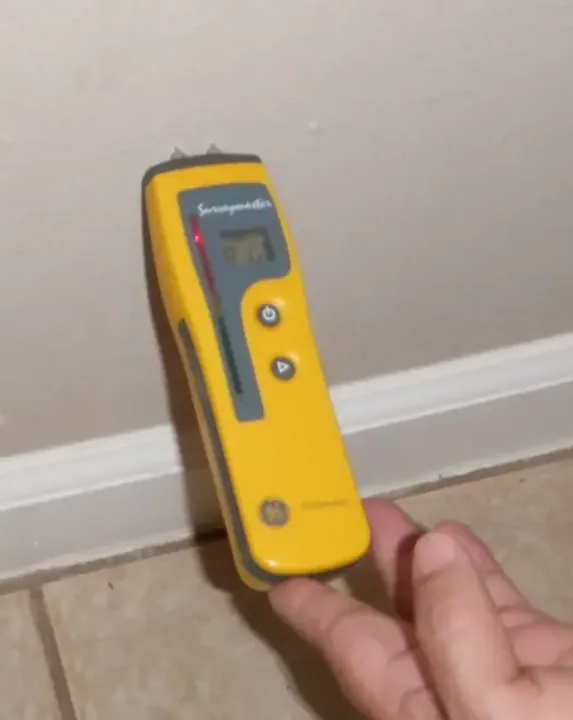
Drying records should identify inspected areas and changes over successive visits. A room that feels comfortable can still contain wet material behind its finishes.
Practical access
Equipment needs safe power and reliable access. A seasonal property requires arrangements for entry, progress checks and keeping the drying area secure between visits.
What affects water damage restoration cost?
Camano cleanup costs reflect the water source, affected area and access to concealed moisture. A written scope should distinguish removal, cleaning, equipment and material work so the property owner can compare proposed work clearly.
Contained room cleanup
- Accessible wet surfaces
- Limited material handling
- Focused drying equipment
Multiple affected spaces
- Connected room spread
- Additional moisture checks
- Broader cleaning work
Extensive concealed damage
- Restricted cavity access
- Larger removal scope
- Complex drying arrangements
These planning ranges describe different cleanup scopes. Source repairs, replacement finishes and unusual access requirements need clear treatment in the property estimate before work is approved.
Water categories shape cleaning and material choices
Supply water release
A supply leak begins differently from outdoor flooding. Time, contacted materials and hidden spread still affect the assessment after the pipe has been shut off.
Inspect a pipe releaseAppliance discharge
Water from an appliance can include wash residues or come directly from its supply connection. The discharge path determines how adjacent finishes should be evaluated.
Separate supply from dischargeSewage contamination
Wastewater entering living space calls for isolation and controlled removal. Porous contents and building materials need decisions that account for contact with sewage.
Contain wastewater safelyWater damage and drying across different spaces
Insurance documentation starts at discovery
A useful claim record connects the discovery, water source and resulting damage. Keep photographs, repair findings and cleanup records together while the insurer reviews the policy and circumstances of the loss.
Planning a direct payment
A property owner paying directly can request a breakdown of removal, material disposal, cleaning and drying. Ask how a changed scope will be explained before additional work proceeds.
Keep essential source repairs visible in the budget. Replacing a tank or repairing a roof opening is a separate decision from restoring the wet room below it.
- Photograph water paths before cleanup changes the room
- Record discovery time and the last dry visit
- Keep source findings with the restoration scope
- Save equipment records and final material readings
- Separate contents receipts from building repair expenses
Cleanup planning for Camano
Postal area
Local places and roads
Nearby service areas
Stanwood, WAGranite Falls, WAUseful details for an island property visit
Camano is an unincorporated community in Island County. Private wells and water associations serve island residents, so identifying the actual supply arrangement helps with source isolation and any necessary coordination.
For a seasonal cabin, arrange entry for water extraction and later structural drying. Provide the most recent dry visit, current occupancy and any affected septic equipment details.
Nearby service areas
Water damage articles
Read about water sources, cleanup decisions and drying measurements.
Local water risks deserve different responses
Around Maple Grove Road and Scenic Avenue, coastal flooding is a recurring concern. Elsewhere, a household leak may involve an entirely different source, cleanup boundary and approach to protecting dry spaces.
November 13, 2020:
A Maple Grove resident reported storm flooding on this date. Recording the arrival and retreat of outside water helps organize damage photographs and cleanup decisions.
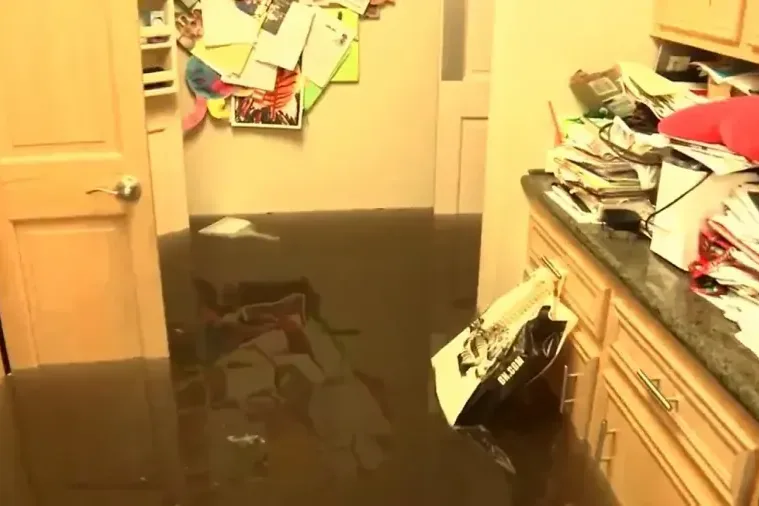
- Higher tides: Island County identifies king tides as higher than usual tides that can flood areas without rain. Outside water needs a different assessment from a plumbing spill.
- Blocked drainage: Island County warns that obstructed storm drains can cause localized flooding. The cleanup plan should account for an active entry route before the interior is dried.
- Septic saturation: Island County advises against septic use when surrounding ground holds standing water. Reducing wastewater use and arranging system assessment helps avoid adding to an existing problem.
- Well water safety: Floodwater can make private well water unsafe. Keep drinking water concerns separate from building drying and follow appropriate water quality advice before resuming normal use.
- Seasonal discovery: Maple Grove contains seasonal cabins as well as primary homes. A building found wet after an absence needs careful inspection beyond the first visible damaged spot.
Questions after water damage
What should happen before entering a flooded room?
The approach needs an electrical and structural safety check. Standing water, a sagging ceiling or a shifting floor can make an apparently simple cleanup unsafe. Occupants should remain in dry areas and leave power isolation or unstable material handling to the appropriate professional.
Does every island property have the same water supply?
Private wells and water associations both serve island residents. The actual connection matters when a supply must be isolated. A shared well also needs coordination with affected users. Identifying the responsible association or shared arrangement is more useful than assuming a nearby property has identical plumbing.
Can a seasonal cabin dry with the windows open?
Enclosed materials need moisture checks to determine whether they are drying. An unoccupied building also needs secure access and regular checks. Equipment selection should follow the wet assembly and measured conditions, with visits arranged to assess progress rather than leaving the cabin unattended until it feels dry.
How should a flood affected septic system be handled?
Island County advises against using septic systems when water stands on surrounding ground. A wastewater specialist can assess the system while restoration addresses any affected interior. Keep people away from sewage and avoid adding appliance or fixture discharge to a system that cannot safely receive it.
Is a stain the full extent of the damage?
A stain marks visible change, but water may continue behind trim, beneath flooring or through insulation. Inspection should follow connected materials and compare wet areas with suitable dry references. That map helps determine where access is useful and which apparently unaffected finishes deserve closer examination.
What records help when damage is discovered late?
Keep the last known dry date, discovery photographs and any observations about running appliances or plumbing sounds. Record which areas were inaccessible. These details create a practical starting point for investigating duration and spread without assigning an unsupported start time to a concealed leak.
When can replacement flooring or drywall be installed?
Repair timing depends on the source being controlled and the remaining assembly meeting appropriate drying targets. Surface appearance is only part of that decision. Final readings, material condition and any necessary cleaning should support closing a cavity or covering a substrate with new finishes.
Does the cleanup estimate include repairing the source?
The scope should state that clearly. Water removal and building drying are different tasks from replacing a failed appliance, repairing plumbing or correcting a roof defect. Separate descriptions make it easier to understand who handles each task and whether a further estimate is required.
Can unaffected rooms stay available during the work?
That depends on the water category, safe routes and work area separation. Equipment, cords and material removal can interrupt normal movement even when another room stayed dry. A practical access plan should keep occupants clear of hazards and protect clean belongings from cleanup traffic.
Turn a wet discovery into a clear plan
Describe the source, affected spaces and entry arrangements so cleanup can begin with a useful picture of the property.
Stanwood, WA · Water and sewage cleanup