Water Extraction in Stanwood, WA
The extraction crew removes pooled water, checks beneath floor coverings and follows the wet edges into adjoining rooms so the drying plan starts with the full affected area.
(888) 509-1696Remove the pooled water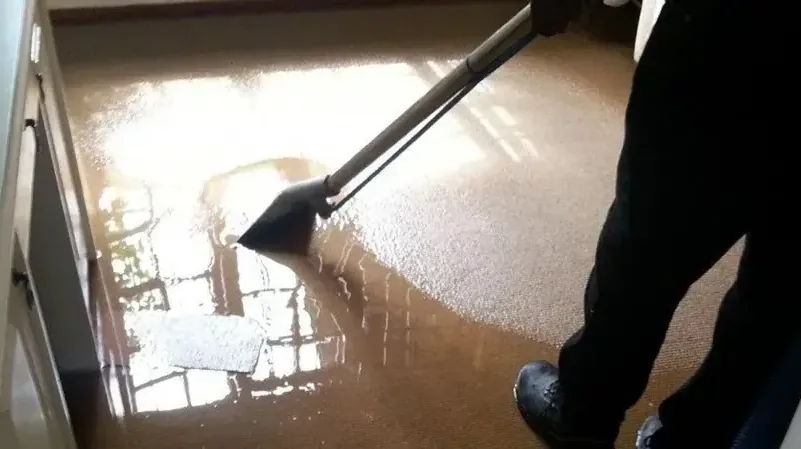
What to do now about water extraction in Stanwood
Stop a reachable source
Close a safe, accessible valve when the water comes from a supply fixture, and leave any valve that requires entering a wet electrical area.
Clear the route safely
Move people and pets to a dry room, keeping the entrance and exit clear without walking through contaminated water or beneath a bowed ceiling.
Record the starting condition
Take photographs from a dry position, including water at doorways and under furniture, before removal changes the visible extent of the damage.
Report hidden spread
Describe adjacent wet rooms, affected carpet and whether water reached another floor so dispatch understands more than the size of the visible pool.
How the team handles water extraction in Stanwood
Assess water and access
The response team identifies likely contamination and electrical concerns, then selects a safe route for pumps, hoses and extraction equipment through the affected rooms.
Remove standing liquid
The extraction crew pumps deeper pools and uses suitable floor tools for the remaining water, adjusting the method to the finish and its condition.
Check absorbent layers
The technician tests pad, wall bases and floor transitions, then identifies materials that need removal or additional access before the room can dry properly.
Hand off to drying
The drying team records the remaining moisture and sets dehumidification and airflow, creating a baseline for repeat readings instead of ending at visible water removal.
What does water extraction cost in Stanwood, WA?
Water extraction generally ranges from $500 to $3,000 for accessible residential losses. Deep water, contaminated materials and multiple levels increase the work; subsequent structural drying and repairs need their own scope.
Small contained pool
- One accessible room
- Hard-floor removal
- Initial moisture map
Wet carpet and rooms
- Repeated extraction
- Pad assessment
- Connected room checks
Broad or deep water
- Pumping equipment
- More setup access
- Larger removal volume
Water category, square footage, material class and the delay before drying change the scope. These ranges support planning, not a quote. Compare the inputs in the water damage cost calculator before discussing the wet areas and access.
Standing water keeps feeding moisture into walls, flooring and stored belongings even after the leak stops. The Stanwood extraction crew starts with safe access and the water source, then chooses pumps, wet extraction tools or both. The most visible puddle is only part of the loss: water can pass under partitions and remain in carpet backing or underlayment.
Choose removal equipment for the actual loss
A broad pool on a hard floor needs a different approach from saturated carpet. The crew removes bulk water first, then makes controlled extraction passes over absorbent finishes that can be retained. Contaminated water changes the plan because some porous materials need removal rather than in-place drying. Technicians record those decisions before equipment changes the room.
Downtown properties near the Stillaguamish River require a clear distinction between an indoor release and water that entered from outside. In East Stanwood, the same source question matters even when the wet area starts at an appliance. Location helps the crew understand access; the inspection establishes the water category and material condition.
Follow water beyond the puddle
The technician maps damp wall bases, thresholds and adjoining rooms. Carpet can feel less wet after a surface pass while the pad remains saturated. Water can also collect beneath a cabinet toe kick or against a closed transition. Extraction is complete only when accessible bulk water has been addressed and the remaining moisture has a drying path.
- Document the water depth and affected surfaces before pumping changes the scene.
- Inspect the dry side of partitions adjoining a wet room, including closets and storage recesses.
- Keep extraction hoses and power cables out of the household’s safe walking route.
- Separate salvageable contents from wet disposable packaging without spreading dirty water through dry rooms.
Move from extraction to measured drying
Removing liquid reduces the load that dehumidifiers must handle. The team then checks framing, drywall and floor layers to determine where controlled airflow can help. Equipment placement follows the evaporation load and available electrical supply. A fan pointed at the original puddle cannot dry moisture trapped behind a resistant covering.
Cedarhome’s residential streets and the downtown commercial blocks have different access constraints. The crew chooses an equipment route that protects dry finishes and leaves a usable exit. The drying-time estimator illustrates planning factors; the actual endpoint comes from repeat material readings.
Keep electrical hazards out of the cleanup
Occupants should not step into water to reach a breaker, plug in a household vacuum or handle wet electrical devices. The restoration team checks access before setting powered equipment. If the room contains sewage, a sagging ceiling or unstable flooring, keep people outside the affected space until it is assessed.
Put the wet area first
Explain the rooms, floor surfaces and active water source. The extraction team plans access and equipment around those details before starting removal.
(888) 509-1696Talk through water removalFor public safety information, review flood precautions and the EPA indoor air information.
Water extraction in Stanwood
Restoration coverage includes ZIP 98292, downtown, East Stanwood and Cedarhome. The team checks safe access before moving extraction equipment into wet rooms. Report the water source, the affected floor and whether electricity reaches the damaged area.
Camano and Granite Falls also appear in the service area directory.
Related water damage services
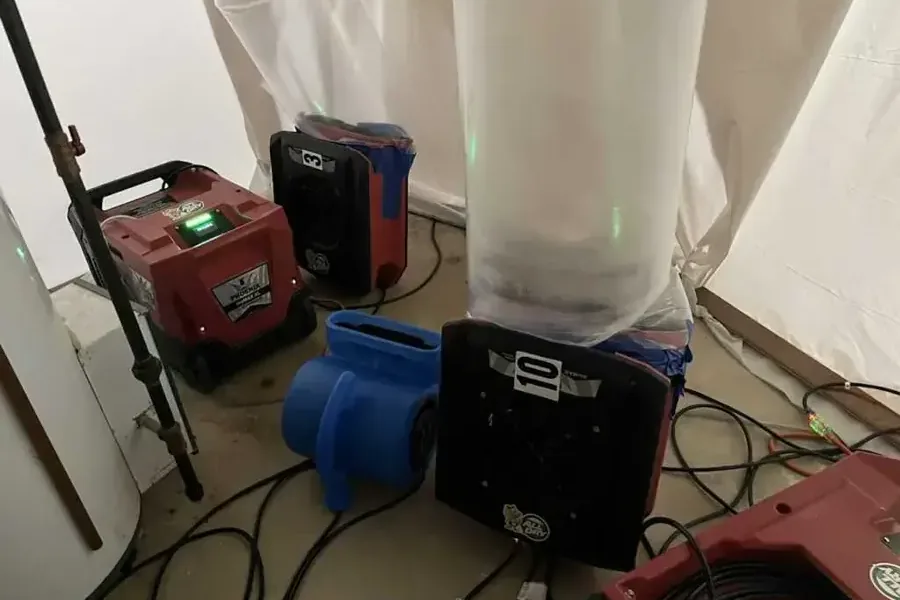 Structural DryingDehumidification and measured airflow remove retained moisture from building materials.
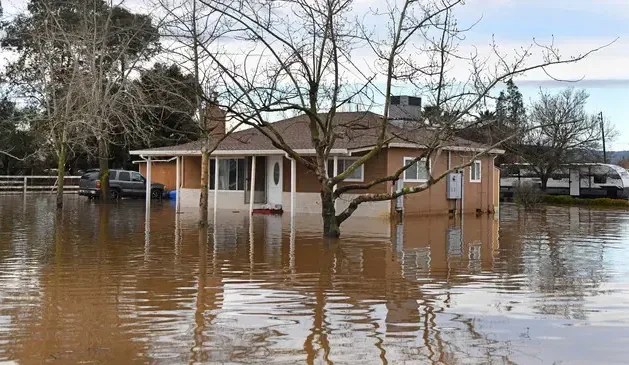 Flood CleanupContaminated river and surface water requires controlled removal, cleaning and a measured dry-out.
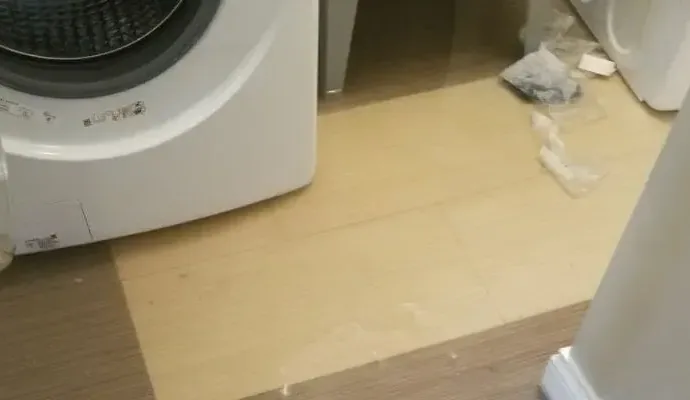 Appliance Leak Water DamageWasher, dishwasher and refrigerator leaks need access behind cabinets and beneath appliances.
Water Extraction questions in Stanwood
Is extraction the same as a complete dry-out?
Extraction removes accessible liquid water. Drying then removes moisture held inside framing, wallboard and floor assemblies. The restoration team records both stages separately because a room can look clear while materials still read wet. Equipment stays only as long as the measured drying task requires.
Can a household wet vacuum handle the loss?
A small surface spill and a building water loss are different situations. Household equipment may not reach saturated pad or hidden layers and should never be used around electrical hazards or contaminated water. The crew evaluates the source and materials before choosing a suitable extraction method.
Does wet carpet always need replacement?
The water category, carpet condition and underlying pad determine the options. Some clean-water carpet can be extracted and dried, while contamination or backing damage changes the decision. The technician inspects beneath the visible surface and explains what can be retained before setting the drying plan.
What details help during the first call?
Describe where water is standing, whether the source still runs and which materials are wet. Mention electrical devices, sewage, ceiling sagging and access to the affected level. A discovery time and safe photographs help establish the starting condition without requiring the household to enter a hazardous space.
How quickly does extraction need to start?
Standing water continues to migrate while it remains available. Prompt source control and safe removal limit that ongoing spread. Dispatch operates 24/7, but the crew must assess access and hazards before pumping. Public evacuation instructions and electrical safety take priority over recovering floors or belongings.
What records should follow water removal?
The file should identify the water source, affected rooms, extraction method and materials needing further drying or removal. Initial and subsequent readings help explain the scope. Photos taken before major changes also support an insurance discussion, while the insurer determines coverage under the household policy.
Standing water needs a safe removal plan
The first extraction pass clears liquid; the moisture map shows which wall and floor layers still need drying.
Stanwood, WA · Water and sewage cleanup