Sewage Backup Cleanup in Stanwood, WA
The sewage cleanup team contains Category 3 wastewater, removes affected porous materials and cleans exposed durable surfaces before controlled drying of the remaining building structure.
(888) 509-1696Contain the sewage-affected area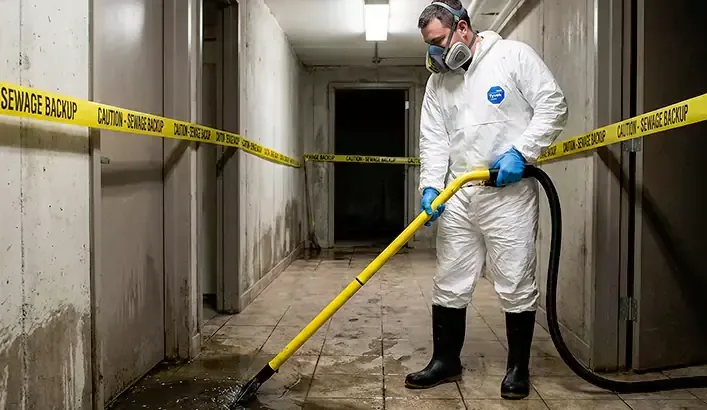
What to do now about sewage backup cleanup in Stanwood
Limit further discharge
Stop using affected plumbing fixtures when safe, and report whether other drains are backing up so the source professional can assess the system.
Isolate occupied areas
Keep people and pets away from wastewater, closing off safe boundaries without carrying soaked rugs or belongings through rooms that remain clean and dry.
Avoid household fans
Leave contaminated surfaces undisturbed and do not aim fans across the spill, because uncontrolled airflow can spread material before cleaning and removal.
Record from safe access
Photograph the visible extent without stepping into sewage, noting affected flooring, wall bases and any electrical equipment reached by the wastewater.
How the team handles sewage backup cleanup in Stanwood
Establish protection
The crew assesses the exposure, selects PPE and sets containment and a controlled work route before extracting wastewater or moving contaminated materials through the property.
Remove porous damage
Protected workers document and remove unsuitable carpet, pad, insulation and wallboard, setting boundaries above the wet area where the actual contamination conditions require it.
Clean and treat surfaces
Durable materials receive physical cleaning first, followed by an appropriate EPA-registered antimicrobial used at its stated concentration and dwell time before the drying stage.
Dry retained structure
The technician positions equipment after contamination work, tracks material readings and records remaining plumbing and finish repairs so recovery does not end at visible cleanliness.
What does sewage backup cleanup cost in Stanwood, WA?
Sewage backup mitigation typically ranges from $2,000 to $8,000 or more. Contamination boundaries, porous-material removal and disposal drive costs; drain repair and replacement finishes may be separate from cleanup and drying.
Contained wastewater loss
- Protected extraction
- Limited disposal
- Durable-surface cleaning
Several contaminated surfaces
- Porous removal
- Containment setup
- Documented treatment
Broad or hidden contamination
- Cavity access
- More disposal handling
- Structural drying zones
Water category, square footage, material class and the delay before drying change the scope. These ranges support planning, not a quote. Compare the inputs in the water damage cost calculator before discussing the wet areas and access.
A sewage backup requires a contamination plan from the start. The Stanwood cleanup crew keeps the affected area separate from occupied rooms, uses appropriate protective equipment and documents what the wastewater touched. A stopped drain overflow leaves contaminated surfaces and porous materials that cannot simply be dried with household fans.
Keep the wastewater route contained
The city formed through the consolidation of its two historic communities in connection with wastewater needs. Today, a backup in East Stanwood or the Market Street district still needs property-specific diagnosis. The plumbing professional determines the blockage or system fault; the mitigation crew addresses the released wastewater and affected building materials.
Near the Stillaguamish River, the team also asks whether outside water entered during the same event. Mixed water routes can change the extent of the loss. The source assessment and room map should identify all affected surfaces before cleanup traffic spreads contamination into dry areas.
Remove porous material that cannot be cleaned
Category 3 water can contaminate carpet, pad, insulation and wallboard. Protected workers remove unsuitable porous materials, with wall removal extending above the wet boundary where required by the conditions. Durable structural surfaces then receive thorough cleaning before an appropriate EPA-registered antimicrobial is applied at its label concentration and dwell time.
- Use gloves, protective clothing, eye protection and other PPE selected for the assessed exposure.
- Contain affected rooms and plan a removal route that avoids occupied clean areas.
- Photograph contaminated finishes and removal boundaries before bagged debris leaves the building.
- Clean durable surfaces before treatment, allowing the product its required wet contact time.
Dry after the contamination work
The drying phase follows source control, removal and cleaning. Air movers should not distribute contaminants from uncleaned surfaces into the rest of the building. The technician measures retained moisture in accessible framing and floor layers and records the condition before finish repairs proceed.
The crawl-space removal page covers access issues when wastewater collects below a home. The final record distinguishes plumbing correction, contaminated-material disposal, surface treatment and structural drying so the owner can understand each part of the recovery.
Keep the household out of wastewater
Occupants should stop using fixtures connected to an active backup when safe and avoid contact with the released water. Children and pets stay outside the affected area. The response team checks electrical hazards, selects protection and establishes containment before removal or powered drying equipment begins operating.
Put the wet area first
Describe the backed-up fixtures and contaminated surfaces from a safe location. The team plans protection, containment and removal before drying the retained structure.
(888) 509-1696Discuss wastewater containmentFor public safety information, review flood precautions and the EPA indoor air information.
Sewage backup cleanup in Stanwood
Restoration coverage includes ZIP 98292, downtown, East Stanwood and Cedarhome. The team checks safe access before moving extraction equipment into wet rooms. Report the water source, the affected floor and whether electricity reaches the damaged area.
Camano and Granite Falls also appear in the service area directory.
Related water damage services
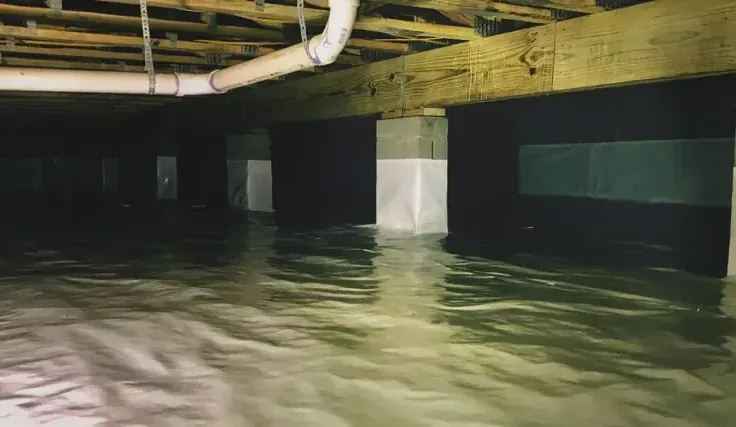 Crawl Space Water RemovalStanding water beneath a home needs safe pumping and inspection of wet joists and insulation.
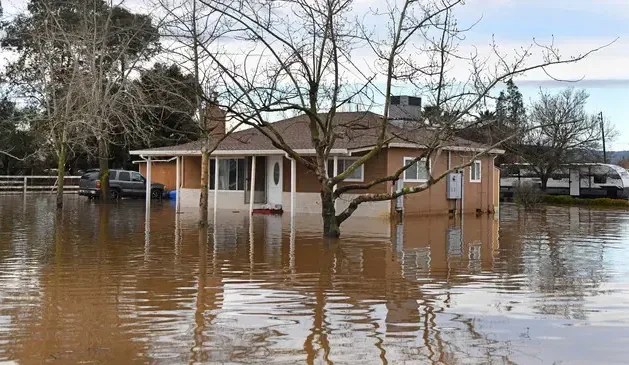 Flood CleanupContaminated river and surface water requires controlled removal, cleaning and a measured dry-out.
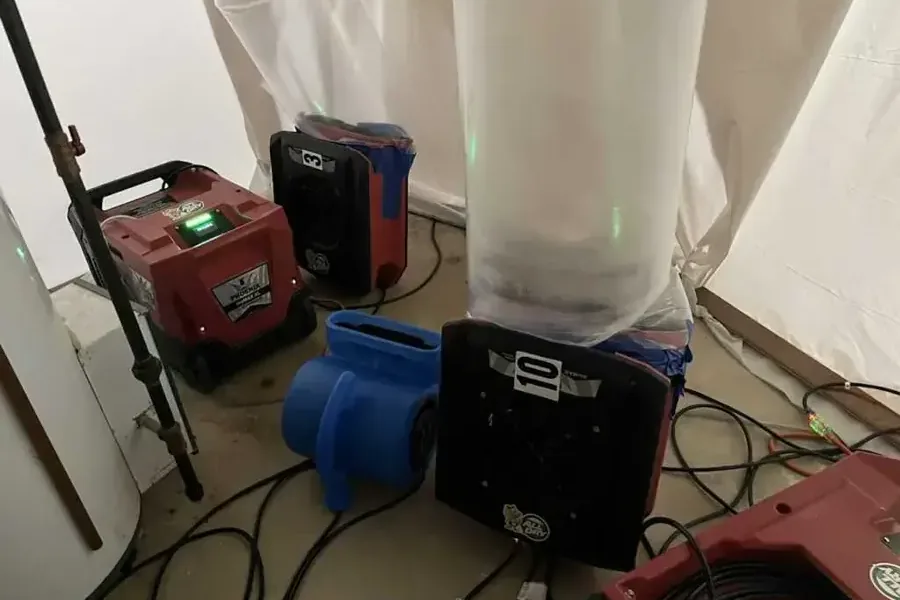 Structural DryingDehumidification and measured airflow remove retained moisture from building materials.
Sewage Backup Cleanup questions in Stanwood
Is sewage always Category 3?
Sewage backup is treated as Category 3 from the outset because it contains harmful contamination. The cleanup plan includes protection, controlled removal and cleaning before drying. Clear-looking water from a drain backup should not be treated as a harmless supply spill based on appearance alone.
Can contaminated carpet be dried and kept?
Porous carpet and pad affected by sewage generally require removal rather than drying for reuse. The team documents the affected boundary and handles the material through a controlled route. Drying reduces moisture but does not by itself remove the contamination held within absorbent finishes.
Why does wallboard removal extend above the water mark?
Water and contamination can wick beyond the visible surface mark or remain in the wall assembly. The crew sets removal limits from the actual conditions and records those boundaries. The aim is to expose cleanable, recoverable structure rather than leave unsuitable porous material hidden behind a new finish.
Does antimicrobial treatment replace cleaning?
Physical cleaning removes soil and contamination from durable surfaces before a suitable product is applied. The label determines concentration and dwell time. Spraying over dirty material or wiping a product away too soon does not replace the complete treatment sequence the cleanup scope requires.
Who fixes the drain problem?
A plumbing or wastewater professional diagnoses and corrects the blockage or system fault. The mitigation team handles released sewage, contaminated materials and drying of retained structure. Both tasks need coordination so the cleaned area does not receive another release while restoration equipment is operating.
When can household use of the affected room resume?
Safe use depends on source correction, contamination removal, cleaning and the condition of the retained structure. The crew should explain access restrictions during the work and document the completed stages. Remaining repairs or electrical concerns may keep an area unavailable after the water is gone.
Recover the room in the right cleanup order
Category 3 removal and surface cleaning come first. Measured drying follows once the contaminated materials have been addressed.
Stanwood, WA · Water and sewage cleanup