Hardwood Floor Water Damage in Stanwood, WA
The floor-drying team measures wood and substrate moisture, identifies the installed flooring product and evaluates controlled drying before sanding or replacement decisions change the damaged surface.
(888) 509-1696Assess the wet wood floor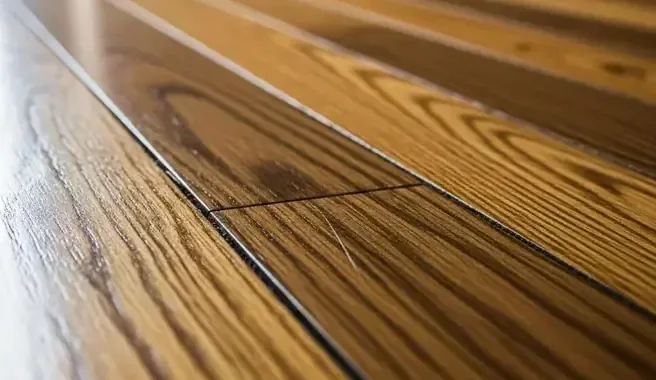
What to do now about hardwood floor water damage in Stanwood
Stop the water source
Isolate a safely reachable leak and keep new water off the floor, noting whether moisture continues to appear at board joints or transitions.
Remove safe surface coverings
Lift dry rugs or lightweight coverings from a safe position, without dragging heavy furniture across lifted boards or entering an electrical hazard.
Avoid sanding or sealing
Leave the finish unchanged until wood and substrate readings establish the drying condition, preserving both repair options and a record of the original damage.
Describe the floor movement
Report cupping, gaps, lifting and the known leak duration so the technician can assess the affected product and the moisture below it.
How the team handles hardwood floor water damage in Stanwood
Identify the floor system
The specialist checks the board product, installation and substrate, then compares wet and unaffected areas to establish a useful baseline for the drying plan.
Extract and expose moisture
The crew removes available water and evaluates access below the finish, discussing selective lifting where the assembly prevents effective drying or has already deteriorated.
Control the drying conditions
Equipment supports steady moisture removal from suitable materials, while the technician monitors board and substrate readings rather than applying uncontrolled heat to the surface.
Review repair readiness
The final measurements and material condition inform the flooring assessment, separating retained structure from boards, adhesive or finish work that still requires repair or replacement.
What does hardwood floor water damage cost in Stanwood, WA?
Hardwood floor water damage mitigation often ranges from $1,000 to $6,000. Floor type, trapped moisture and specialized drying access drive the scope; sanding, refinishing and replacement boards may be additional costs.
Localized wet boards
- Moisture comparison
- Surface extraction
- Controlled room drying
Broader floor assembly
- Subfloor checks
- Specialty access
- Repeated wood readings
Trapped or damaged layers
- Selective removal
- Complex substrate
- Additional drying zones
Water category, square footage, material class and the delay before drying change the scope. These ranges support planning, not a quote. Compare the inputs in the water damage cost calculator before discussing the wet areas and access.
Raised board edges can reveal moisture below a wood floor even when the top feels dry. The Stanwood drying specialist identifies whether the finish is solid wood, engineered wood or another product before recommending treatment. The substrate, installation method and water category matter as much as the visible distortion.
Read the floor as a layered assembly
Water can sit under boards, at an adhesive layer or within the subfloor. The technician takes comparison readings at unaffected material and maps the wet boundary across transitions. Extraction reduces surface liquid; substrate readings reveal the condition beneath a tight floor covering.
East Stanwood and the Market Street district have a different development history from newer uphill subdivisions. Cedarhome adds another residential context. The installed flooring product receives an individual assessment. The crew inspects the actual boards and substrate so the drying plan fits the installed assembly.
Choose retention or removal from material condition
Some clean-water wood floors can respond to controlled drying. Delamination, severe movement, contamination or inaccessible moisture may change that option. The team explains the condition of the boards and the access needed before removing a section. A drying mat system, where appropriate, must work with the floor construction and available access.
- Record cupping, gaps and finish changes before equipment or repairs alter the surface.
- Measure the substrate where safe access allows, including transitions to adjacent wet rooms.
- Keep rugs and vapor-resistant coverings from trapping moisture over an affected area.
- Delay sanding decisions until the material has reached a suitable, stable moisture condition.
Separate drying from refinishing
Sanding a cupped floor while it is still wet can create an uneven result after moisture redistributes. The drying team tracks the readings and discusses the condition with the flooring professional before finish work begins. Some boards may need replacement even when the underlying structure can remain.
The structural drying process addresses wet framing and subfloor beyond the finished boards. The final record should identify the retained materials, moisture results and any additional substrate testing or flooring repair required by the chosen product.
Do not force a finish repair onto wet wood
Occupants should avoid sanding, aggressive heat or sealing a wet floor before the assembly is assessed. Loose or lifted boards can also create a trip hazard. The crew protects access, controls drying conditions and uses readings to decide when the floor is ready for a repair evaluation.
Put the wet area first
Describe the board movement, floor product and water source. The drying team checks below the finish before recommending retention or removal.
(888) 509-1696Discuss wet floorboardsFor public safety information, review flood precautions and the EPA indoor air information.
Hardwood floor water damage in Stanwood
Restoration coverage includes ZIP 98292, downtown, East Stanwood and Cedarhome. The team checks safe access before moving extraction equipment into wet rooms. Report the water source, the affected floor and whether electricity reaches the damaged area.
Camano and Granite Falls also appear in the service area directory.
Related water damage services
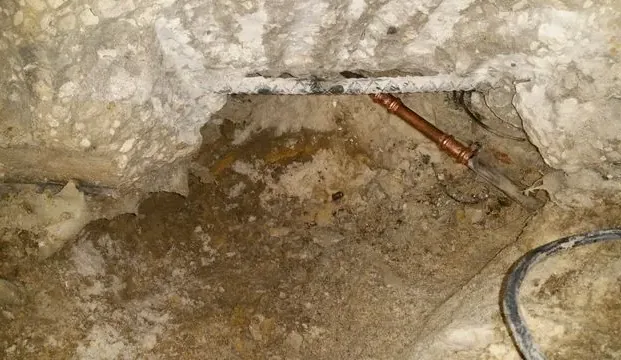 Slab Leak Water DamageMoisture beneath floor coverings needs testing after the leaking supply pipe is repaired.
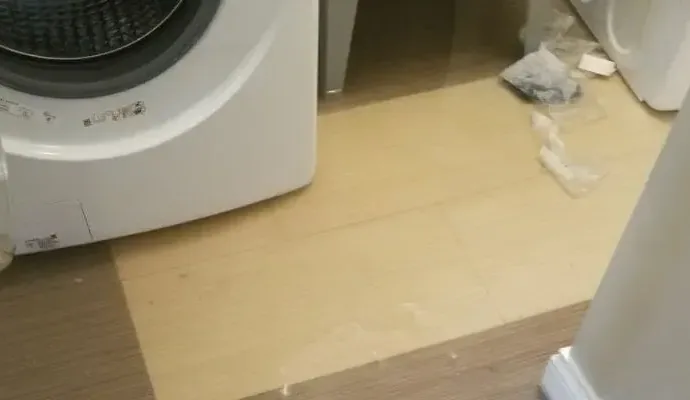 Appliance Leak Water DamageWasher, dishwasher and refrigerator leaks need access behind cabinets and beneath appliances.
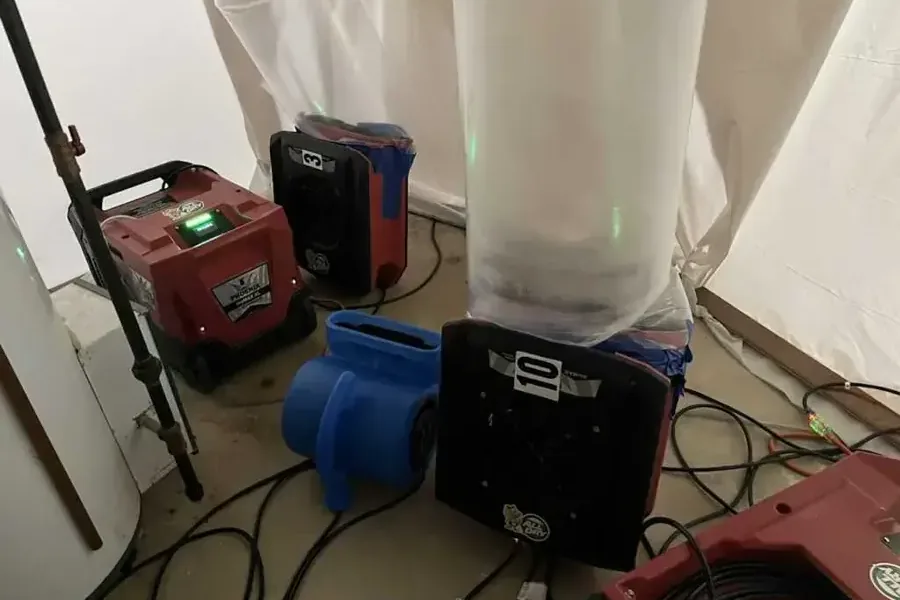 Structural DryingDehumidification and measured airflow remove retained moisture from building materials.
Hardwood Floor Water Damage questions in Stanwood
Can cupped boards flatten after drying?
Some wood can improve as moisture equalizes, but product type and damage determine the outcome. The specialist measures the assembly and monitors its response before recommending finish work. Delamination, severe movement or contamination can require replacement even when the underlying subfloor is recoverable.
Why test the subfloor as well as the boards?
The surface and substrate can dry at different rates. Water beneath the boards may continue feeding moisture upward after the top feels dry. Testing both layers where accessible helps the team decide whether controlled drying is effective or whether additional access is necessary.
Should the floor be sanded immediately?
Sanding while the boards remain wet can remove raised edges that later change shape as moisture redistributes. A flooring professional should evaluate the repair after suitable drying and stabilization. The mitigation record supplies readings and material observations to support that decision.
Are engineered wood and solid wood treated identically?
Their construction and response to water differ. Layer separation, adhesive condition and installation method influence whether material can remain. The technician identifies the actual product and its substrate before selecting a drying method rather than applying one recovery rule to every wood-looking floor.
Can a floor drying system save contaminated boards?
Equipment cannot make an unsuitable contaminated assembly safe merely by lowering moisture. The water category and material condition come first. The crew evaluates cleaning and removal requirements, then uses controlled drying only for the structural materials and finishes appropriate to retain.
What should the final flooring record show?
It should identify wet boundaries, comparison materials, repeated readings and any removal performed for access or damage. Remaining flooring preparation and installation requirements need separate attention. A successful structural dry-out does not automatically mean the old finish or every board is ready to reuse.
Let measurements guide the floor repair
Wood and substrate readings establish the next step, from controlled drying to selective replacement and later refinishing.
Stanwood, WA · Water and sewage cleanup