Slab Leak Water Damage in Stanwood, WA
The restoration team checks moisture beneath floor coverings after a suspected slab leak, separates pipe repair from the dry-out and records the wet material boundaries before opening finishes.
(888) 509-1696Check the wet floor layers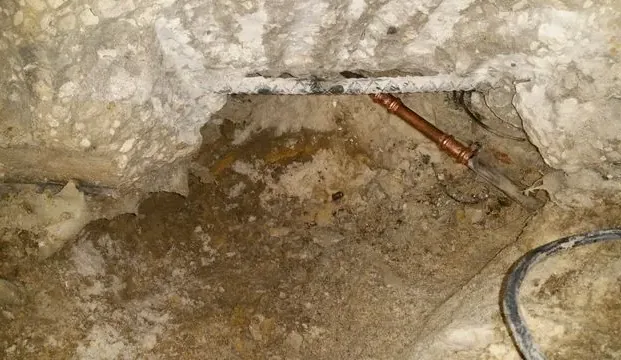
What to do now about slab leak water damage in Stanwood
Reduce the flow
Close an accessible supply valve from a dry position, and note whether water continues to appear at floor joints or wall edges.
Leave coverings intact
Avoid lifting glued flooring or drilling the concrete before the source and material condition have been assessed and a removal scope discussed.
Mark the visible spread
Photograph damp transitions, baseboards and nearby rooms so the technician can compare the visible damage with moisture readings through the floor assembly.
Describe the change
Tell dispatch whether the floor feels warm, whether the wet patch is growing and whether rain or water use preceded the problem.
How the team handles slab leak water damage in Stanwood
Locate wet boundaries
The technician maps the floor and nearby wall bases, then compares affected materials with dry reference areas before setting the initial drying goals.
Coordinate source repair
A plumbing repair stops the escape of water; the mitigation crew keeps the moisture assessment separate so wet materials receive their own documented treatment.
Expose trapped moisture
The team discusses selective removal where coverings block evaporation, then extracts accessible water and positions dehumidification to match the exposed materials and room volume.
Verify substrate condition
Repeat readings track progress at the same test positions, and the final record identifies remaining flooring preparation or repair requirements before finishes return.
What does slab leak water damage cost in Stanwood, WA?
Slab leak water damage mitigation commonly falls around $1,500 to $7,000, with larger concealed losses costing more. Pipe location and repair, finish replacement and specialty floor testing may be separate from extraction and drying.
Limited floor area
- Accessible wet surface
- Small removal scope
- Moisture checks
Several connected rooms
- Floor edge access
- Wall-base inspection
- Managed dehumidification
Deeply trapped moisture
- Layered assemblies
- Extended monitoring
- Complex finish access
Water category, square footage, material class and the delay before drying change the scope. These ranges support planning, not a quote. Compare the inputs in the water damage cost calculator before discussing the wet areas and access.
A warm floor patch, damp joint or spreading stain deserves a source check before anyone removes a large area of flooring. The Stanwood drying team compares readings across the affected room and follows the wet boundary toward walls and adjoining spaces. A plumbing professional locates and repairs the supply failure; extraction and structural drying address the water already inside the building.
Separate a slab leak from outside water
Cedarhome Drive and Park Drive appear in the city’s water-main replacement notice, which describes an older public main. That history makes the location of a leak important. A utility-side problem, a building supply leak and water under a floor require different repairs. The technician records shutoff observations and the location of visible water without opening sound materials merely because a pipe is nearby.
At the Stillaguamish River end of the city, water entering from outside also belongs in the source assessment. The crew asks whether dampness followed rain or continued after indoor water use stopped. A moisture meter establishes the wet area, and plumbing tests locate a suspected buried supply defect.
Inspect the floor before choosing a drying method
Concrete can hold moisture beneath an apparently dry surface. Adhesive, a vapor-resistant covering and an underlayment can slow release. The drying specialist identifies the installed flooring, checks edges and transitions, and compares wet readings with unaffected material of the same type. Opening a floor requires permission and a clear reason tied to access, contamination or material damage.
- Lift accessible trim only where it helps inspect wall bases or release trapped moisture.
- Record the room layout and testing positions so later readings compare the same locations.
- Separate a damaged finish from a sound slab when writing the removal and drying scope.
- Protect dry rooms while hoses, equipment and removed materials pass through the building.
Drying continues after the pipe stops leaking
The extraction crew removes available water before dehumidifiers address moisture held in the assembly. Controlled airflow supports evaporation from exposed surfaces. The technician checks wall plates and partitions where water traveled beyond the original floor patch. The structural drying process measures the building materials, not simply the humidity in the room.
Replacement flooring needs a suitable substrate condition under the product manufacturer’s requirements. Appropriate substrate tests establish readiness for the selected flooring product. The final record should distinguish completed mitigation from remaining pipe, floor or finish repairs.
Avoid destructive guesswork
Occupants should not drill into a suspected slab leak or pull flooring around energized equipment. The response team establishes safe access and the likely water route before opening an assembly. If wet flooring reaches outlets or electrical devices, keep the area clear until the electrical hazard is assessed.
Put the wet area first
Describe the wet floor, nearby wall damage and any valve already closed. The team uses those details to plan safe testing and extraction.
(888) 509-1696Discuss hidden floor moistureFor public safety information, review flood precautions and the EPA indoor air information.
Slab leak water damage in Stanwood
Restoration coverage includes ZIP 98292, downtown, East Stanwood and Cedarhome. The team checks safe access before moving extraction equipment into wet rooms. Report the water source, the affected floor and whether electricity reaches the damaged area.
Camano and Granite Falls also appear in the service area directory.
Related water damage services
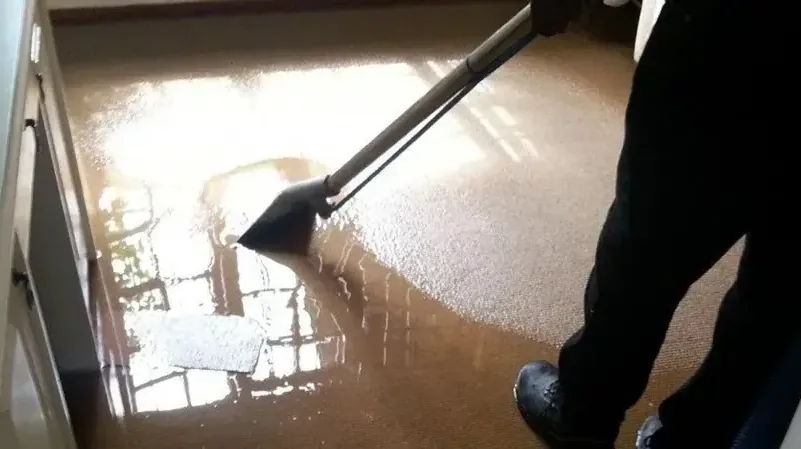 Water ExtractionExtraction removes standing water and exposes the wet edges beneath trim and flooring.
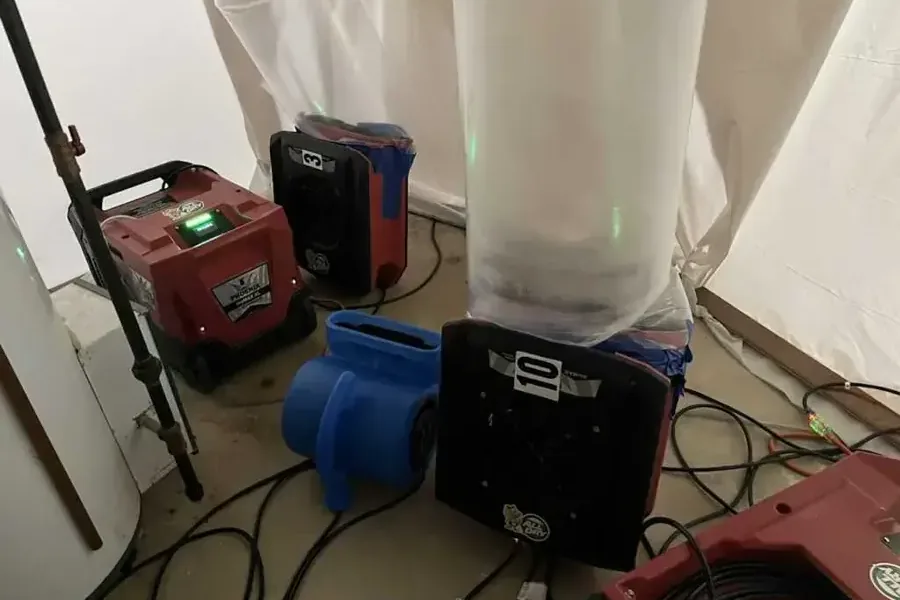 Structural DryingDehumidification and measured airflow remove retained moisture from building materials.
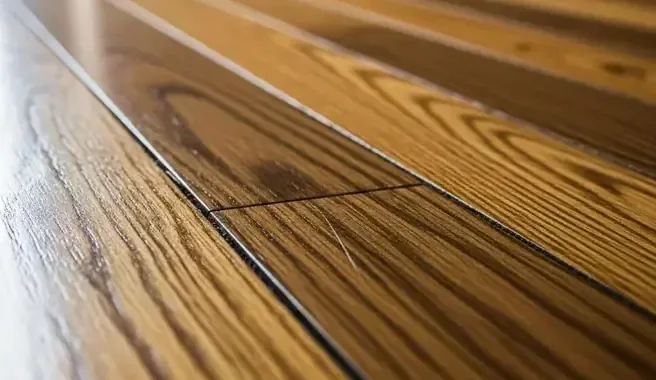 Hardwood Floor Water DamageWood and subfloor readings determine drying options before sanding or replacement decisions.
Slab Leak Water Damage questions in Stanwood
Does a damp concrete floor prove a pipe has failed?
A damp floor can result from several water routes. The technician compares the timing, visible entry points and moisture pattern, while a plumbing professional tests the suspected supply system. Selecting a repair before identifying the source can leave the original wetting mechanism active.
Can flooring stay in place during slab drying?
Some sound materials can remain when the water category and assembly allow effective drying. Impermeable coverings, damaged adhesive or trapped moisture may require selective lifting. The drying team explains the access needed and checks progress beneath the finish instead of assuming surface airflow reaches every layer.
Is pipe repair included with drying?
A pipe repair stops the source. Mitigation removes escaped water and dries affected building materials. The written scope should identify which provider handles each task and whether flooring replacement, concrete access or testing is included, so the household can understand the complete repair sequence.
How is a dry slab verified?
The technician uses an appropriate testing method for the floor assembly and records repeat readings. Flooring installation requirements may call for additional substrate testing. Room humidity and a dry-looking surface are useful observations, but neither alone establishes readiness for a new floor covering.
Can an insurance file include the hidden wet area?
The mitigation record can include photographs before opening, moisture maps, affected material descriptions and daily drying logs. The insurer decides coverage under the policy. The source repair and resulting water damage may be treated differently, making an itemized scope and clear chronology useful.
When should a household call about moisture under flooring?
An expanding patch, damp baseboard or suspected ongoing supply leak warrants prompt attention. Dispatch is available 24/7. Occupants should report the discovery time and any safe shutoff attempt, then keep people away from electrical hazards or unstable floor materials until the area is assessed.
Get the moisture beneath the floor assessed
A repaired pipe leaves a separate drying task. Material readings show where water remains and what the floor needs next.
Stanwood, WA · Water and sewage cleanup