Granite Falls Water Damage Restoration
Water spreading across a floor needs a plan that follows the hidden moisture too. Granite Falls property owners can discuss extraction, damaged materials, and the drying work each affected room needs.
(888) 509-1696Discuss the wet roomsDescribe where water appeared, whether it is still entering, and any unsafe rooms before discussing access to the property.
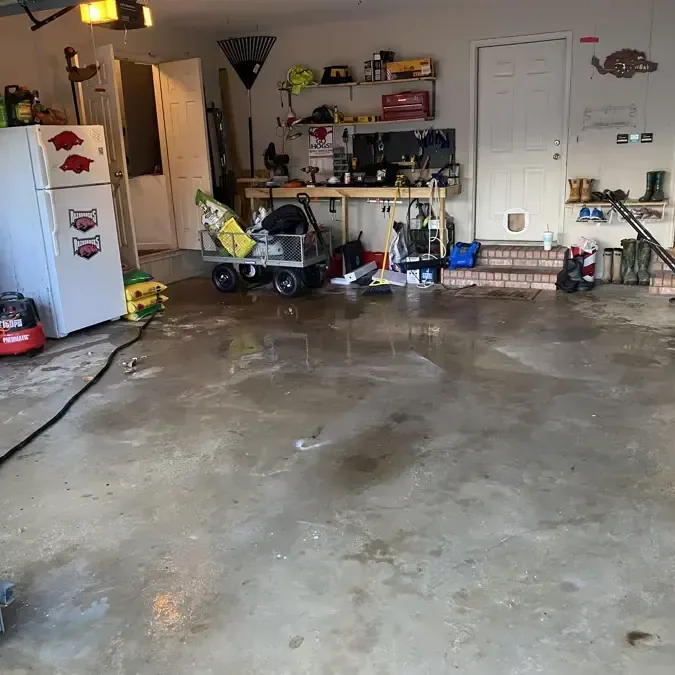
Protect people before moving anything wet
Avoid unsafe water
Keep occupants away from water touching electrical equipment or hiding sharp debris. A dry doorway can provide a safer observation point.
Identify continued entry
Note whether water rises during rain, appears during appliance use, or continues after fixtures stop. These observations help narrow the source.
Close an accessible valve
A reachable supply valve may stop an indoor leak. Avoid crossing water or handling damaged equipment to reach a shutoff.
Record visible damage
Photograph rooms from safe positions and preserve damaged item information. Include the water boundary, affected finishes, and the apparent starting point.
Describe the building access
Mention stairs, occupied rooms, locked gates, and the safest entry. Access details help establish where assessment and equipment placement can begin.
Water restoration for different kinds of leaks
A roof opening, a broken supply pipe, and outdoor floodwater require different decisions. Choose the service that matches the source and materials affected inside the property.
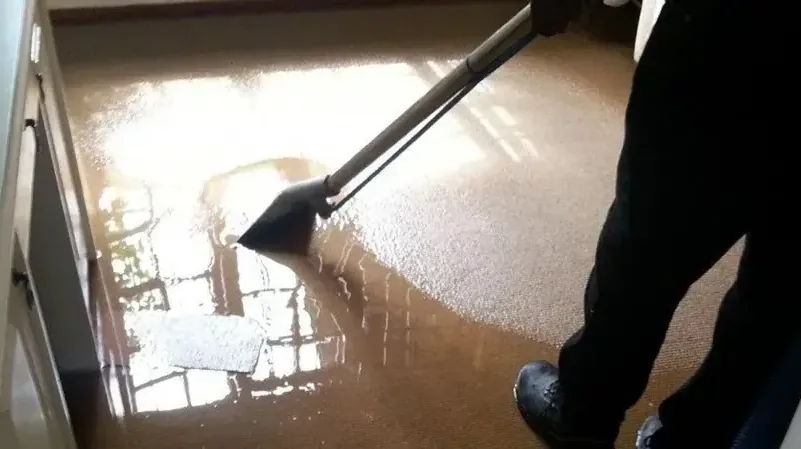
Water Extraction
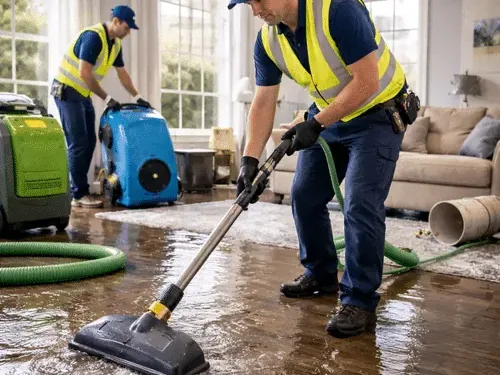
Remove pooled water from accessible floors, then trace moisture along baseboards and thresholds before deciding which materials need further drying.
Water Extraction details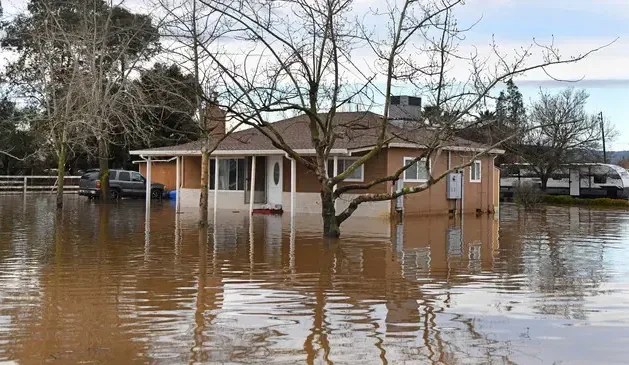
Flood Cleanup
Plan cleanup around incoming outdoor water, sediment, and damaged belongings, with separation between affected rooms and spaces that remain usable.
Flood Cleanup details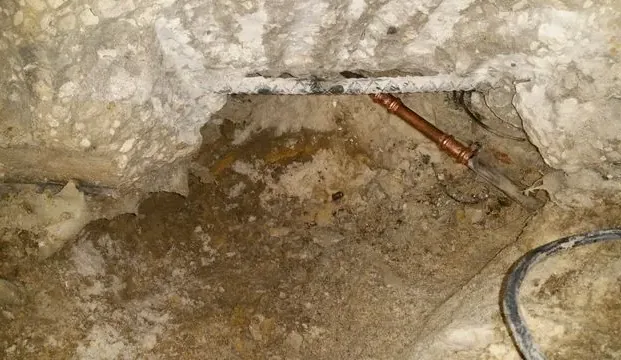
Slab Leak Water Damage
Investigate damp flooring above concrete and coordinate drying access with the repair of a concealed pipe beneath the affected floor.
Slab Leak Water Damage details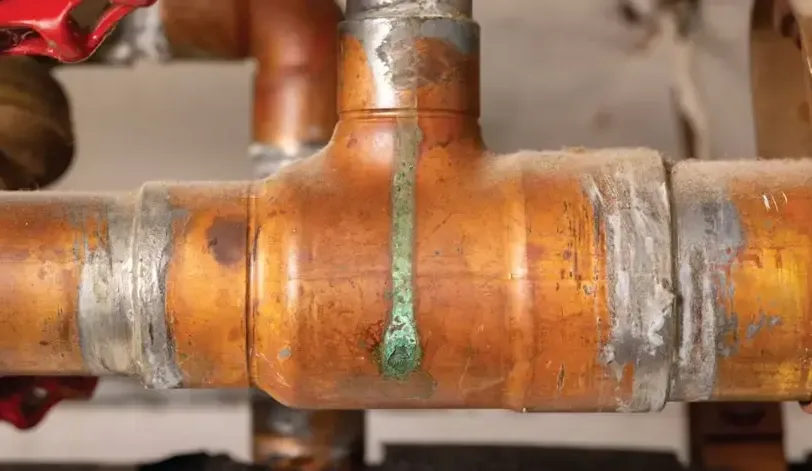
Burst Pipe Water Damage
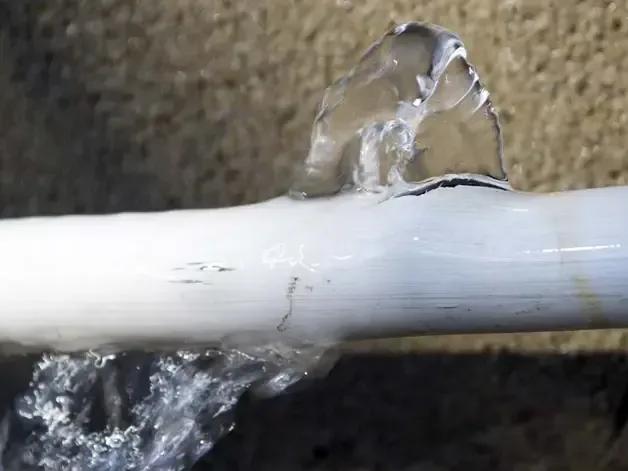
Contain the spread after a pipe breaks, checking wall cavities and connected rooms where pressurized water may have traveled unnoticed.
Burst Pipe Water Damage details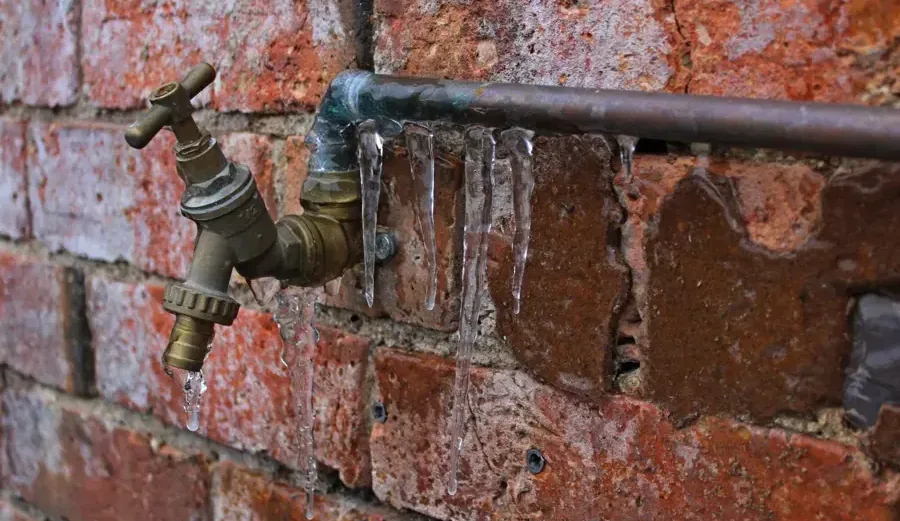
Frozen Pipe Water Damage
Address water released during thawing and inspect insulation around the damaged pipe before rebuilding the opened wall or ceiling assembly.
Frozen Pipe Water Damage details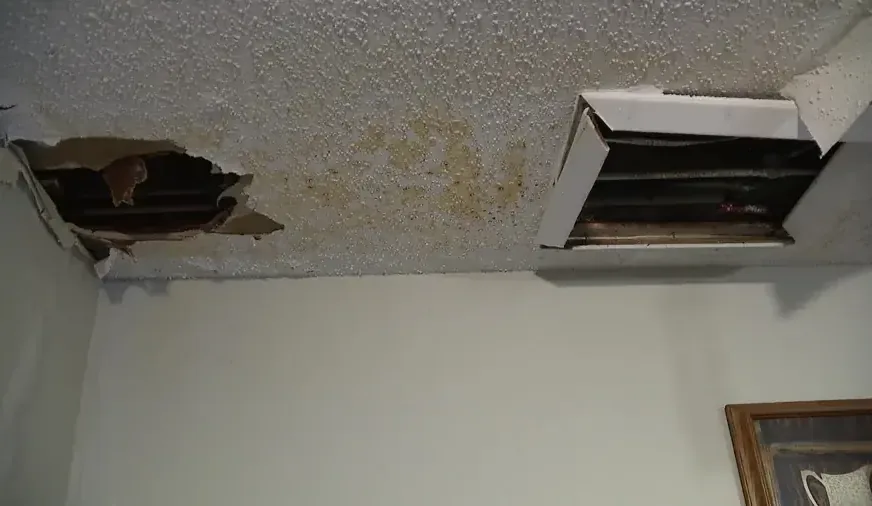
Roof Leak Water Damage
Follow roof water through attic materials and interior finishes, with attention to wet insulation that remains heavy after dripping stops.
Roof Leak Water Damage details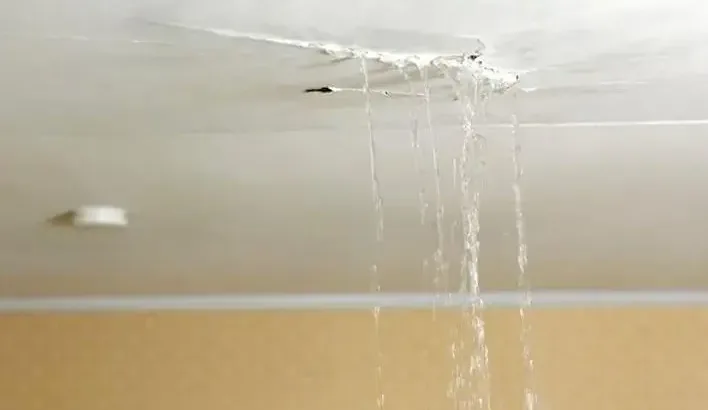
Ceiling Leak Water Damage
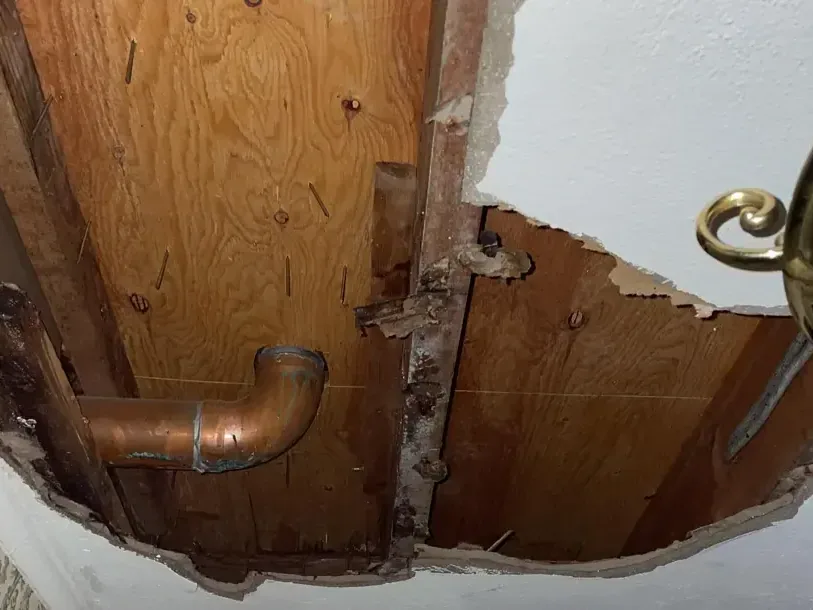
Evaluate overhead staining or sagging before opening the ceiling, locating the source and protecting the room below from falling materials.
Ceiling Leak Water Damage details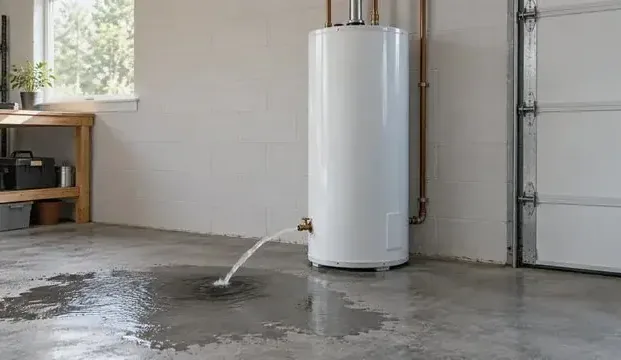
Water Heater Leak Cleanup
Clear water around the tank and examine closet edges, wall bases, and neighboring flooring for moisture escaping the immediate spill.
Water Heater Leak Cleanup details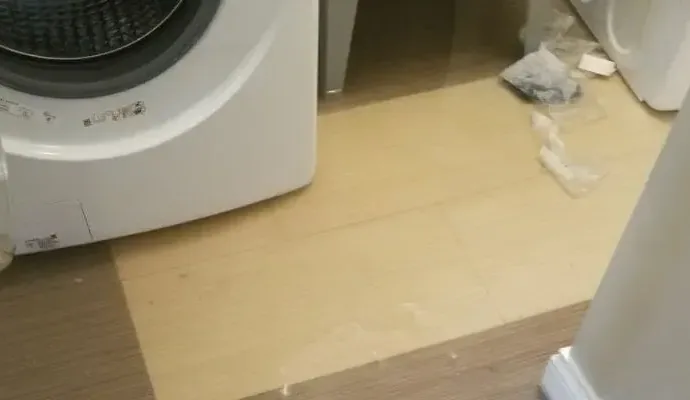
Appliance Leak Water Damage
Find water beneath washing machines and kitchen appliances, including cabinet recesses where the visible puddle reveals only part of the damage.
Appliance Leak Water Damage details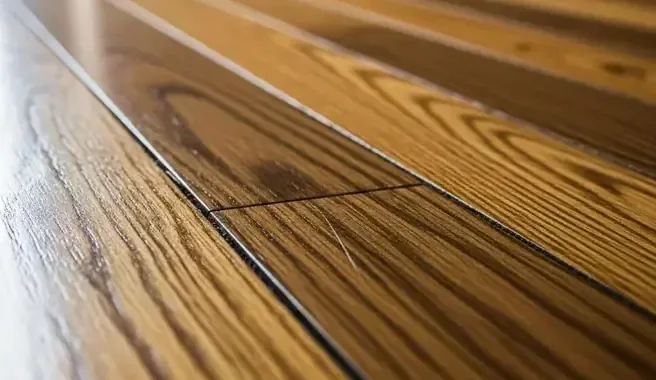
Hardwood Floor Water Damage
Measure wet boards and the layers underneath, assessing movement and drying progress before choosing refinishing, selective removal, or replacement work.
Hardwood Floor Water Damage details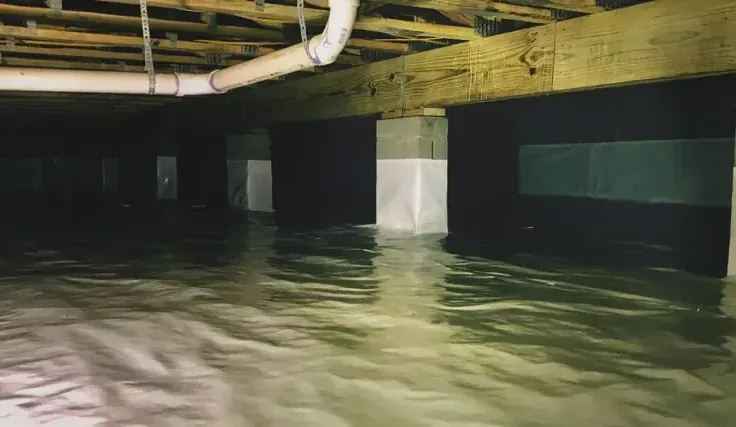
Crawl Space Water Removal
Evaluate access and safety beneath a raised floor, then remove standing water and inspect wet insulation, supports, and exposed framing.
Crawl Space Water Removal details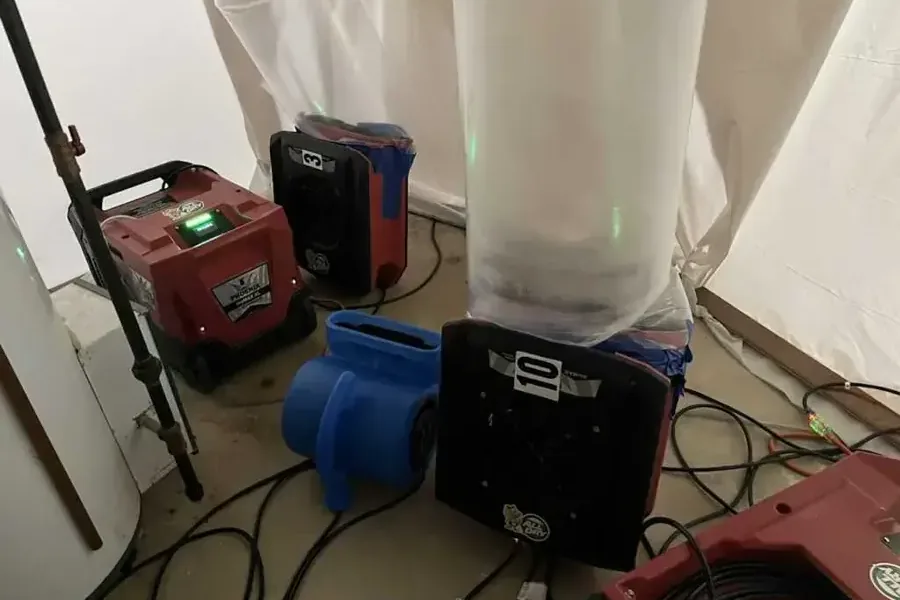
Structural Drying
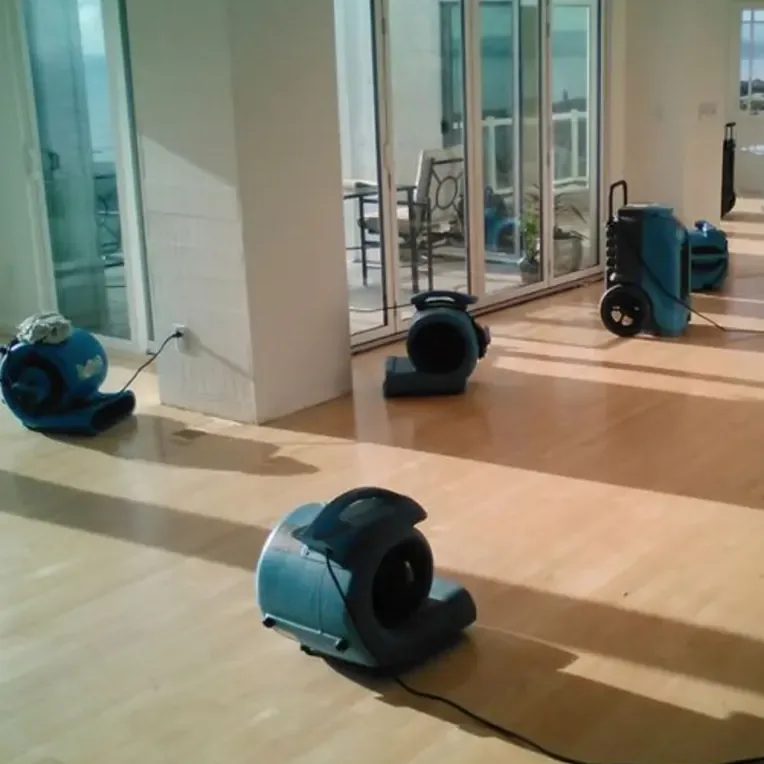
Manage air movement and humidity around wet building assemblies, using repeat measurements to decide whether concealed materials are drying effectively.
Structural Drying details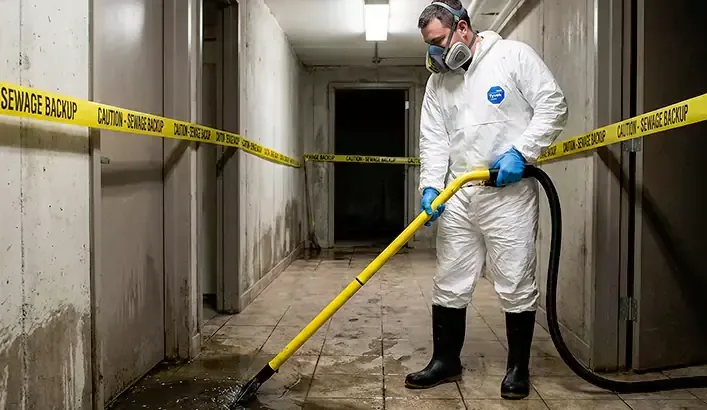
Sewage Backup Cleanup
Isolate wastewater exposure, remove affected porous materials where necessary, and clean accessible surfaces before moisture removal and repair planning proceed.
Sewage Backup Cleanup details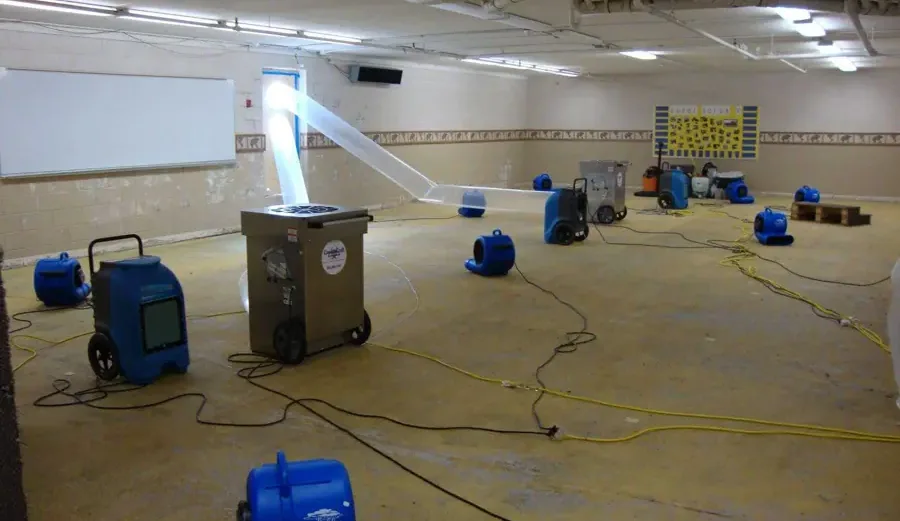
Commercial Water Damage
Organize extraction and drying around business access, sensitive contents, and affected work areas so the repair scope supports operational decisions.
Commercial Water Damage detailsA measured cleaning and structural drying sequence
The drying plan starts with the source and condition of the water. Each later decision follows the affected materials, from initial extraction through final measurements and the handoff for finish repairs.
Define the loss
Identify water entry and map the affected surfaces. Note concealed spaces needing inspection before equipment placement or material removal begins inside occupied rooms.
Remove and clean
Extract reachable water and handle damaged porous materials appropriately. Clean the exposed work area so remaining materials can be evaluated for a drying plan.
Control drying conditions
Arrange air movement and dehumidification around the wet assembly. Revisit equipment placement when readings show that a cavity or layer needs better access.
Document the result
Compare later readings with the initial map and suitable dry references. Record remaining repair needs before the cleanup phase closes and rebuilding work begins.
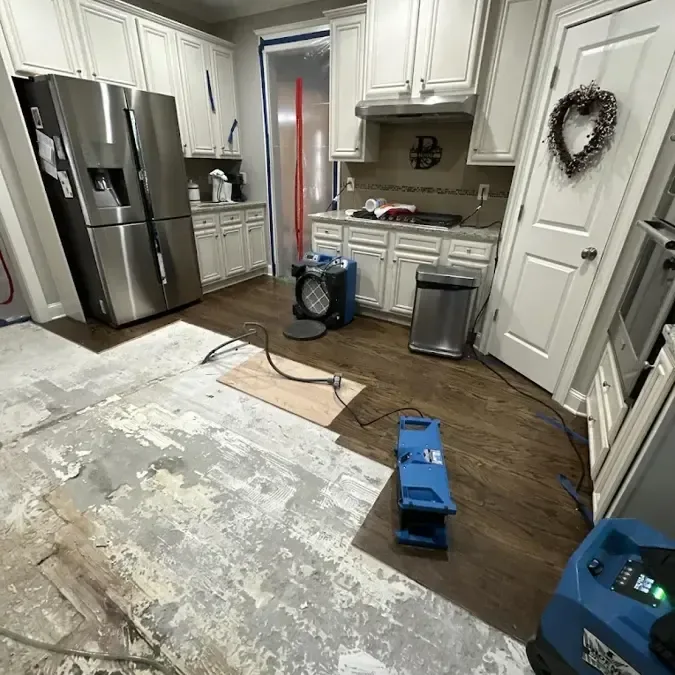
A room needs more than surface cleanup
Water can leave a dry looking surface above a wet backing or cavity. Assessment connects visible damage with readings from neighboring materials, so repair decisions address the full assembly.
Source identification
Separating a supply leak from outdoor entry determines the cleaning approach and identifies which repair must happen before finishes can be closed again.
Measured boundaries
Inspection extends past the darkest stain to adjacent materials. A moisture map helps define the work area and prevents overlooked wet edges during planning.
Practical access
Furniture, room use, and electrical conditions affect equipment placement. The proposed arrangement should leave clear walking routes outside the active work area for occupants.
Written next steps
An understandable scope distinguishes removal, cleaning, drying, and later repairs. Property owners can examine what each phase addresses before authorizing the proposed work.
What affects water damage restoration cost?
Granite Falls restoration costs depend on the water source, affected area, material layers, and accessibility. These planning ranges describe different levels of work; an inspection establishes the scope and separates cleanup from later building repairs.
Limited wet area
- Accessible floor water
- Focused moisture inspection
- Small drying area
Connected room damage
- Several affected surfaces
- Selective material removal
- Expanded equipment placement
Extensive concealed spread
- Difficult cavity access
- Broader cleaning needs
- Multiple drying assemblies
Source repair, damaged belongings, and finish reconstruction may require separate estimates. Ask which tasks the written cleanup price includes before comparing proposals for the same affected rooms.
Water categories shape handling and cleaning
Supply water release
A newly broken pipe can wet several materials quickly. Time, contact, and the route through the building affect how that water should be handled.
Explore broken pipe damageUsed appliance water
Water escaping during a wash cycle may contain residue. The appliance stage and contacted surfaces matter when deciding which materials require removal or cleaning.
Assess an appliance spillWastewater entering rooms
A drain backup requires separation from occupied areas. Contaminated porous finishes often need removal so underlying surfaces can be cleaned and checked before drying.
Understand wastewater cleanupWater removal and drying photo gallery
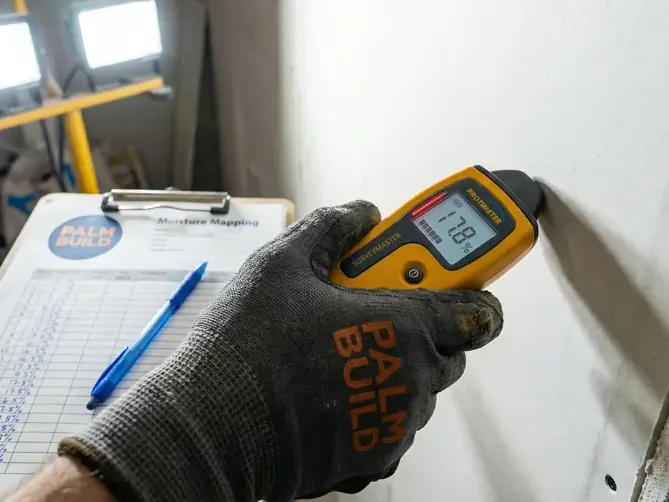
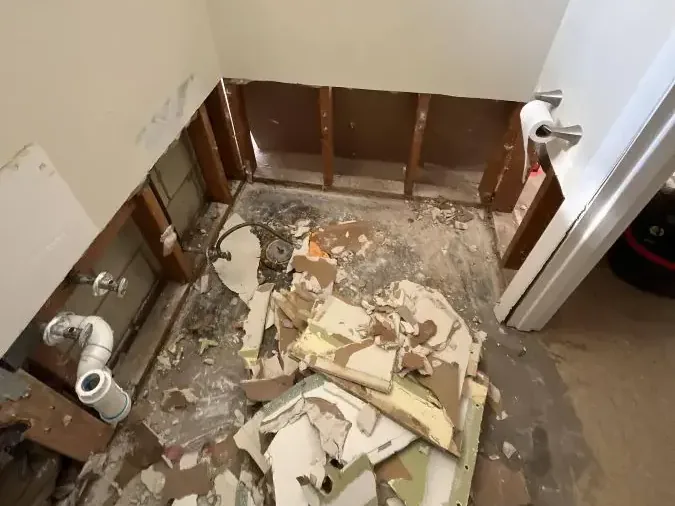
Insurance documentation after water damage
A clear timeline and photographs help explain what happened. Keep the cleanup estimate, source repair information, and drying records together so the insurer can examine the event and the requested work consistently.
When paying directly
A self funded cleanup still needs a defined scope. Ask which materials will be removed, what equipment is proposed, and how completion will be evaluated.
Separate urgent water removal from optional finish choices. A phased estimate makes immediate work easier to compare while later repair decisions remain under consideration.
- Photograph the apparent source from a safe location.
- List affected rooms and the damaged contents inside.
- Save receipts for emergency mitigation and source repairs.
- Record when the damage was first noticed indoors.
- Keep written scopes alongside any revised work authorizations.
Granite Falls restoration service area
Local ZIP
Useful road references
Other service areas
Stanwood, WACamano, WADescribe the property and the safest entrance
Granite Falls occupies a plateau in the western foothills of the Cascade Range. Mountain Loop Highway and Stanley Street are useful road references when describing the property's location.
Include building access, the rooms affected, and any restrictions around wet areas. The town service overview connects source specific cleanup options with structural drying for materials that remain wet.
Nearby service areas
Water damage articles
Read about water sources, cleanup decisions and drying measurements.
Rainfall, rivers, and indoor water damage
Most rainfall here occurs between October and May. The South Fork Stillaguamish River lies north of the city, while the Pilchuck River lies south, providing context for outdoor water concerns.
December 2023:
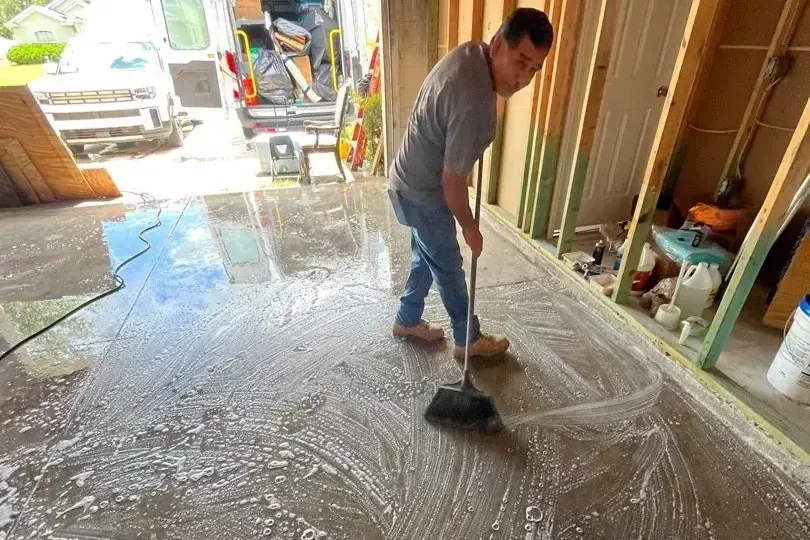
Stillaguamish River flooding entered a Granite Falls home through floorboards and damaged possessions, illustrating how water can reach interior materials from below during a flood.
- Longer wet season: Repeated rainfall can reveal roof defects and recurring entry points. Note whether staining changes during storms and keep the affected interior accessible for inspection.
- Water beneath flooring: A floor can hold moisture below its visible surface. Assessment should include backing, subflooring, and nearby cavities when the water route suggests concealed spread.
- Separate river settings: The Pilchuck River and South Fork Stillaguamish River are distinct local waterways. Report the actual source and entry point when outdoor water reaches a building.
- Sanitary drainage: The city manages its sanitary sewage system. A property with wastewater indoors needs its actual drainage arrangement checked before cleanup and source correction proceed.
- Parks and access: Frank Mason Park surrounds Lake Gardner and includes walking paths. A nearby landmark can help describe location while entry instructions identify the affected building.
Water damage questions
What information helps at the first call?
The most useful details are the suspected source, whether water continues entering, and which rooms are affected. Mention electrical concerns, a sagging ceiling, or sewage immediately. A description of safe access also helps establish where the initial assessment can begin without crossing a hazardous area.
Is an apparently dry carpet ready to use?
Carpet fibers can feel dry while the backing or padding still holds moisture. The floor underneath may also need assessment. Testing the layers helps determine whether extraction and drying are sufficient or whether removal is necessary because of the water condition or material damage.
How does outdoor flooding change the work?
Outdoor water can carry soil and contaminants into the building. The scope must address cleaning and affected porous materials alongside water removal. Keep the damaged area separate from occupied spaces until the source, surfaces, and safe access have been evaluated for the cleanup plan.
Can occupants remain during drying?
Occupancy depends on safe access, the extent of damage, contamination, and the work area. Equipment also changes room temperature and noise. Discuss sleeping areas, walking routes, and any essential rooms before work begins so the household can plan around the proposed cleanup arrangement.
Does a ceiling stain always mean roof damage?
A ceiling stain can originate from plumbing, an appliance above, or roof entry. Water may travel along framing before it becomes visible. Locating the source and checking overhead stability comes before selecting an inspection opening or deciding which part of the assembly needs drying.
What determines whether a wet wall is removed?
The decision depends on the material, water condition, damage, and access to trapped moisture. Intact material may be suitable for drying, while softened finishes or contaminated porous layers may need removal. The scope should explain the reason for each proposed opening instead of relying on appearance alone.
Should repairs begin immediately after pumping?
Pumping clears accessible water; framing and floor layers need separate moisture checks to assess their condition. Repair planning can begin early, while closing cavities should wait for cleaning and moisture assessment. Drying records help connect the cleanup work with the later installation of replacement finishes.
What should be kept for an insurance assessment?
Keep photographs, a written event timeline, estimates, invoices, and repair documentation together. Record damaged contents before disposal when that can be done safely. Coverage decisions belong to the insurer and depend on the policy and cause; a restoration estimate describes the work proposed for the property.
How are recurring leaks handled differently?
A repeat wet spot calls for another look at the source and water route. Drying the same surface again may leave an unresolved pipe, roof, or drainage problem. Share earlier repair details and note when the spot returns so the inspection can focus on that pattern.
Start with the source and the wet materials
Discuss the water entry, affected rooms, and access concerns to establish a practical starting point for cleanup and drying.
Stanwood, WA · Water and sewage cleanup