Crawl Space Water Removal in Stanwood, WA
The crawl-space crew checks access, water entry and utilities before pumping, then assesses wet insulation, soil coverings and floor framing for cleaning, removal and controlled drying.
(888) 509-1696Assess water beneath the floor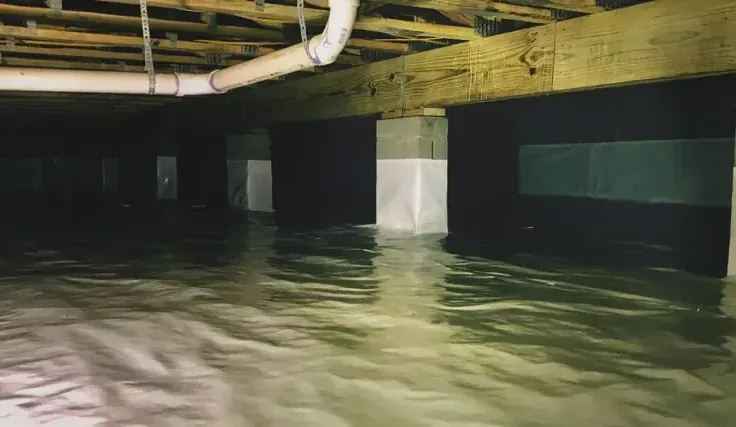
What to do now about crawl space water removal in Stanwood
Stay outside the opening
Avoid entering pooled underfloor water or reaching around wet wiring, and keep children and pets away from the crawl access until it is assessed.
Report surrounding water
Describe ponding beside the building and any recent heavy rain so the crew can consider outside water pressure and a suitable discharge route.
Note plumbing symptoms
Mention running-water sounds, drain backups or a safe shutoff already completed, helping distinguish a supply loss from wastewater or drainage entry.
Keep access clear
Move dry obstacles away from the opening only from a safe position, leaving the team a clear route for hoses, equipment and removed materials.
How the team handles crawl space water removal in Stanwood
Assess entry and source
The crew checks the opening, utilities and surrounding water conditions, then identifies the likely entry route before choosing pumping equipment and worker protection.
Remove standing water
Controlled pumping lowers accessible water while the team manages discharge, monitors changing conditions and avoids sending contaminated liquid through occupied or previously dry spaces.
Address wet insulation
Technicians document and remove unsuitable saturated material where needed, exposing the floor structure and hidden pockets that would otherwise obstruct cleaning or effective airflow.
Measure the joists
The drying specialist tracks wood readings and records remaining drainage or enclosure repairs, establishing an endpoint beyond the disappearance of water on the ground.
What does crawl space water removal cost in Stanwood, WA?
Crawl space water removal and drying commonly range from $1,500 to $7,000. Restricted access, contaminated water, wet insulation and ongoing drainage problems increase the scope; permanent drainage repairs may be separate.
Accessible pooling
- Controlled pumping
- Source observations
- Initial wood checks
Wet insulation and framing
- Material removal
- Underfloor access
- Managed drying
Difficult contaminated loss
- Protected handling
- Additional cleaning
- Restricted equipment access
Water category, square footage, material class and the delay before drying change the scope. These ranges support planning, not a quote. Compare the inputs in the water damage cost calculator before discussing the wet areas and access.
Water beneath a raised floor can stay hidden until odors, damp insulation or visible pooling draw attention. The Stanwood response team starts outside the opening, checking utilities, access and the likely source before anyone enters. Pumping removes liquid, but wet joists and insulation can leave a separate drying task.
Understand why water entered before pumping
The Stillaguamish River, Church Creek and Irvine Slough form part of the local drainage setting. A wet crawl space still needs its own source assessment: runoff, a leaking supply pipe and wastewater require different responses. The technician records the timing of rain, plumbing use and visible entry points rather than assuming that all underfloor water came from outside.
Surrounding water levels also matter. The crew evaluates whether pumping can proceed safely and where discharge can go without returning toward the building or spreading contamination. A blocked drain or failed pipe needs correction beyond the removal of the current pool.
Inspect what the water touched
Soaked insulation can sag against the floor framing and obstruct drying. A damaged ground covering can hide pockets of water or debris. The team records those conditions and discusses selective removal, cleaning and access. Contaminated water calls for protected handling and a controlled route out of the crawl space.
- Identify electrical cables, equipment and plumbing hazards before entering the confined area.
- Photograph water levels and wet insulation from safe access before pumping changes them.
- Check the underside of the floor and joists beyond the deepest visible pool.
- Keep removed wet materials from contaminating occupied rooms or dry storage areas.
Finish with the framing, not an empty puddle
The drying specialist measures wood moisture and compares affected joists with suitable dry references. Equipment selection depends on access, ventilation, contamination and the assembly above. Moving humid air without a plan can leave the floor structure wet even when the ground no longer holds a visible pool.
The sewage cleanup service applies when a drain or septic release contaminates the space. The final scope should identify remaining drainage, plumbing, insulation and ground-cover repairs so the household understands what pumping and drying have completed.
A crawl opening is not an invitation to enter
Occupants should stay out of standing underfloor water, particularly around wiring, wastewater or restricted access. The response team checks the hazards and entry conditions before work. A household should never crawl into an unknown wet space simply to identify the source or retrieve stored belongings.
Put the wet area first
Describe the opening, visible water and any drainage or plumbing symptoms. The crew establishes safe underfloor access before planning pumping and joist drying.
(888) 509-1696Discuss underfloor water accessFor public safety information, review flood precautions and the EPA indoor air information.
Crawl space water removal in Stanwood
Restoration coverage includes ZIP 98292, downtown, East Stanwood and Cedarhome. The team checks safe access before moving extraction equipment into wet rooms. Report the water source, the affected floor and whether electricity reaches the damaged area.
Camano and Granite Falls also appear in the service area directory.
Related water damage services
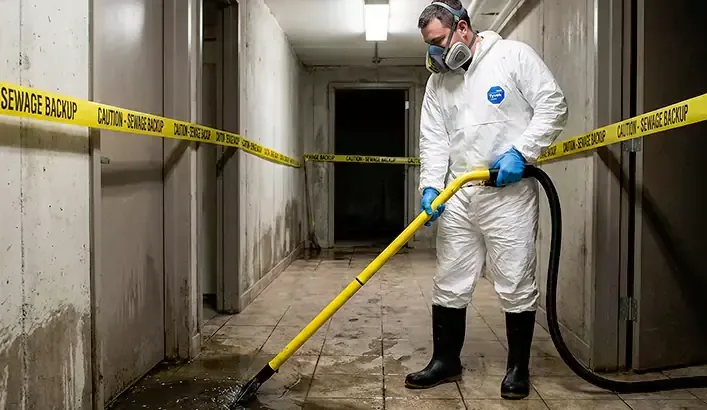 Sewage Backup CleanupCategory 3 wastewater needs containment, porous-material removal and controlled surface treatment.
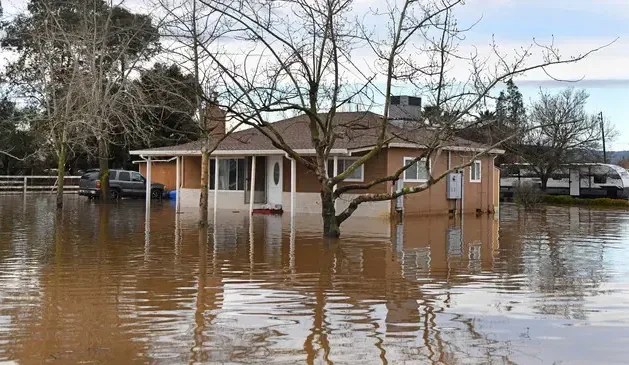 Flood CleanupContaminated river and surface water requires controlled removal, cleaning and a measured dry-out.
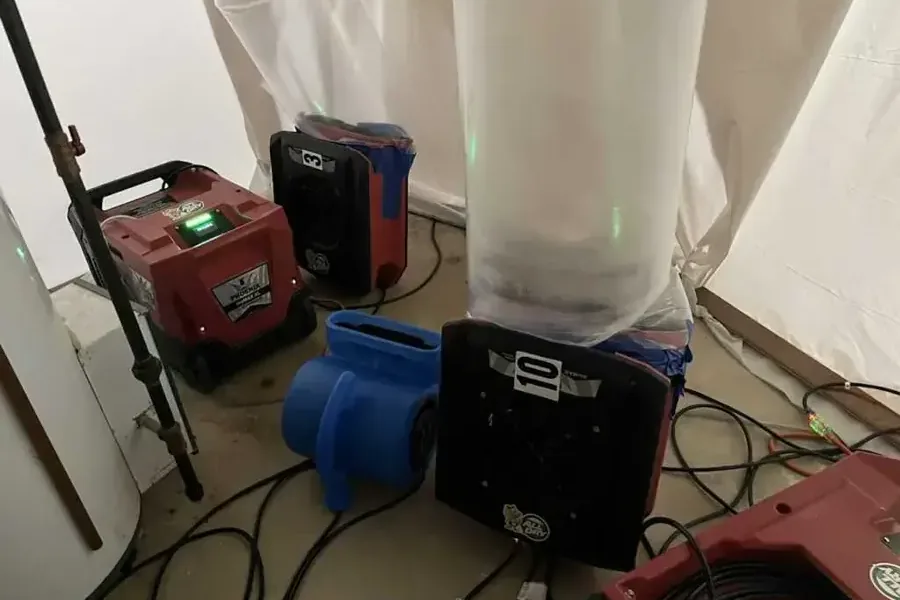 Structural DryingDehumidification and measured airflow remove retained moisture from building materials.
Crawl Space Water Removal questions in Stanwood
Does pumping solve the whole crawl-space problem?
Pumping removes the current liquid water. Source correction and moisture checks for joists and insulation remain separate tasks. The mitigation record should identify those remaining tasks so an empty-looking space does not conceal an unfinished source or drying problem.
Can a household enter to check the water depth?
Unknown underfloor water can involve electrical hazards, contamination and restricted escape. Occupants should describe what is visible from safe access and leave entry to an appropriate assessment. The crew considers those hazards before selecting worker protection, pumping equipment and a route for material removal.
Why does the crew ask about water outside the house?
Exterior water levels and drainage affect safe pumping and whether new water can immediately return. The team also needs a discharge route that does not worsen the problem. Removing water without understanding the surrounding conditions can leave the same space wet again.
Must all crawl insulation be removed?
The condition, contamination and drying access determine the decision. Saturated or damaged insulation can hold moisture against framing and obstruct airflow. The technician documents affected areas and explains selective removal rather than treating every piece of underfloor insulation as having the same condition.
How are joists checked after pumping?
The drying specialist takes repeat wood readings and compares them with appropriate unaffected material. Tests include areas beyond the deepest pool where water or wet insulation reached the framing. The record shows whether the structure is progressing toward the drying goal or needs a revised equipment plan.
What if the water came from a drain?
Wastewater changes the cleanup category and protection requirements. The crew contains the affected area, removes unsuitable porous material and cleans durable surfaces before structural drying. The drain or septic problem needs a separate repair so the newly cleaned space does not receive another contaminated release.
Recover the space beneath the living floor
Controlled removal clears the pool. Wood readings and source correction address the conditions that can keep the floor assembly wet.
Stanwood, WA · Water and sewage cleanup