Flood Cleanup in Stanwood, WA
The flood cleanup team removes contaminated water and debris, separates damaged porous materials and dries exposed structure once public safety conditions allow entry into the building.
(888) 509-1696Assess the flood-soaked rooms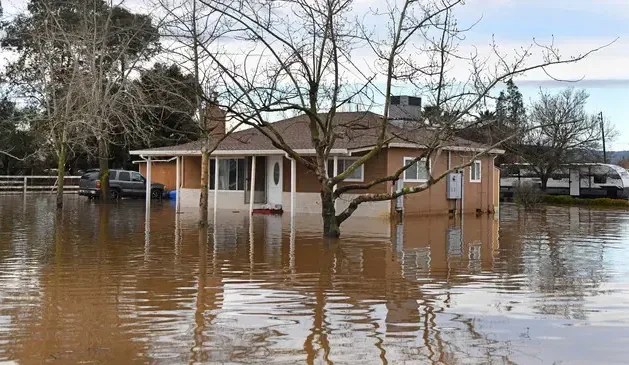
What to do now about flood cleanup in Stanwood
Follow public instructions
Wait for safe reentry and road access, and keep the household away from flooded streets, downed wires and buildings with visible structural damage.
Avoid contact with the water
Treat floodwater and wet debris as contaminated, separating people and pets from the affected area instead of carrying soaked items through occupied rooms.
Preserve a safe record
Photograph visible high-water marks and damaged contents from a safe position, keeping a list of losses before authorized removal changes the room.
Explain the entry route
Tell dispatch whether water came through doors, drains or below the floor and whether surrounding water remains high around the building.
How the team handles flood cleanup in Stanwood
Establish controlled access
The crew evaluates electrical and structural concerns, marks the wet boundary and plans a clean route for workers, equipment and contaminated material removal.
Extract and remove debris
Protected workers remove standing water and sediment, then document and discard affected porous materials that cannot be restored through cleaning and drying.
Clean durable surfaces
The cleanup team washes exposed structural surfaces and applies a suitable EPA-registered antimicrobial according to its label, including the required contact time.
Monitor structural drying
Technicians place drying equipment after cleaning, revisit moisture readings and record the final condition of framing and floor layers before repair work proceeds.
What does flood cleanup cost in Stanwood, WA?
Flood cleanup often costs $3,000 to $12,000 or more, depending on contamination, the affected area and material removal. Reconstruction and damaged contents can add substantially to the total beyond mitigation.
Contained flood entry
- Controlled extraction
- Limited porous removal
- Surface cleaning
Several affected rooms
- More debris handling
- Cavity access
- Documented drying
Extensive inundation
- Broad removal scope
- Complex access
- Extended equipment use
Water category, square footage, material class and the delay before drying change the scope. These ranges support planning, not a quote. Compare the inputs in the water damage cost calculator before discussing the wet areas and access.
Floodwater brings more than moisture into a room. Sediment, sewage and other contaminants can travel with water that crosses land before entering a building. The Stanwood mitigation team treats that loss as Category 3, establishes controlled work areas and records the high-water marks before removal begins. Occupants follow official reentry instructions and keep children and pets away from wet materials.
Account for river and drainage conditions
The city sits at the lower Stillaguamish River, and its preparedness information describes flood-zone conditions during heavy rain. Davis Slough and Irvine Slough are also part of the local water setting. The cleanup crew asks how water entered and whether surrounding water has receded before choosing a removal approach. Pumping a building while outside pressure remains high can create additional concerns.
December 6, 2023: a local news photograph documented floodwater around a vehicle on 28th Avenue NW in the Stanwood area. A past event explains why access planning matters; current road closures and evacuation instructions control the response to a new loss. No one should drive through flooded streets to reach a cleanup appointment.
Remove contamination before setting drying airflow
Porous materials touched by floodwater often need removal because drying alone does not make them clean. The team documents affected carpet, pad, insulation and wallboard, then selects removal boundaries above the wet area where needed. Protected workers bag and move debris along a controlled route. The scope also addresses hidden pockets behind cabinets and inside wall bases.
- Photograph the original water marks, sediment and room contents before cleanup alters them.
- Separate food, absorbent furniture and personal items that contacted floodwater from dry belongings.
- Clean exposed durable surfaces before applying an appropriate EPA-registered product at its stated dwell time.
- Check cavities and floor layers for retained water before placing unrestricted airflow across the cleaned structure.
Dry the remaining structure and document repair needs
Once contamination removal and cleaning are complete, dehumidification supports the exposed framing and floor assembly. Technicians compare repeat readings with unaffected materials and inspect hard-to-reach corners rather than relying on dry-looking surfaces. The structural drying service follows that remaining moisture to a recorded endpoint.
The loss file distinguishes cleanup from reconstruction. It records the water route, material removal, cleaning work and drying measurements so a property owner can discuss the remaining repairs. Flood coverage differs from ordinary household water coverage, and the insurer makes the decision under the applicable policy.
Reentry comes before recovery
Safe reentry requires a building assessment after floodwater recedes. Flooded electrical systems, unstable floors and contaminated air or surfaces require assessment. The response team checks those conditions before powered extraction or demolition. Occupants should wait in a dry, safe location and avoid handling sewage-contaminated belongings without appropriate protection.
Put the wet area first
Report the water entry route, current access and any standing water around the building. The cleanup plan begins with safe conditions and contamination control.
(888) 509-1696Discuss flood cleanup accessFor public safety information, review flood precautions and the EPA indoor air information.
Flood cleanup in Stanwood
Restoration coverage includes ZIP 98292, downtown, East Stanwood and Cedarhome. The team checks safe access before moving extraction equipment into wet rooms. Report the water source, the affected floor and whether electricity reaches the damaged area.
Camano and Granite Falls also appear in the service area directory.
Related water damage services
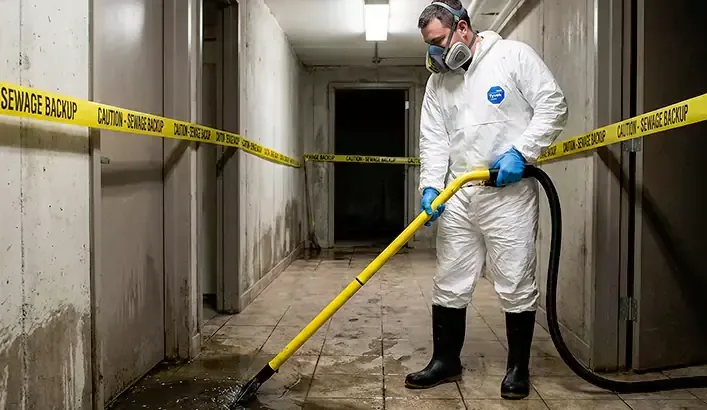 Sewage Backup CleanupCategory 3 wastewater needs containment, porous-material removal and controlled surface treatment.
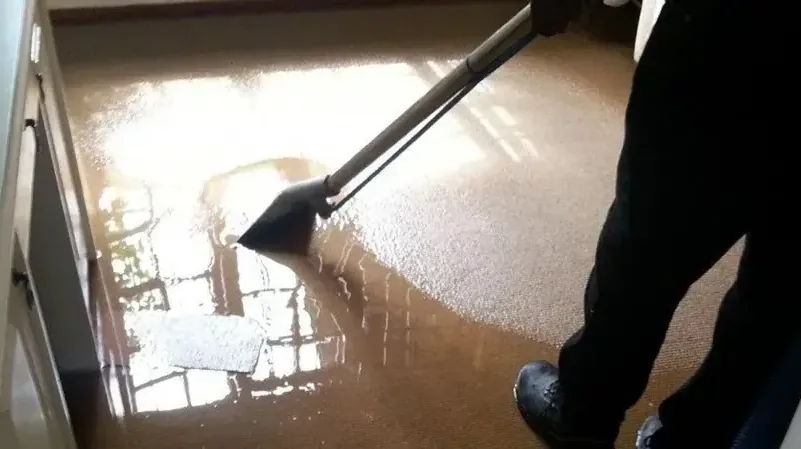 Water ExtractionExtraction removes standing water and exposes the wet edges beneath trim and flooring.
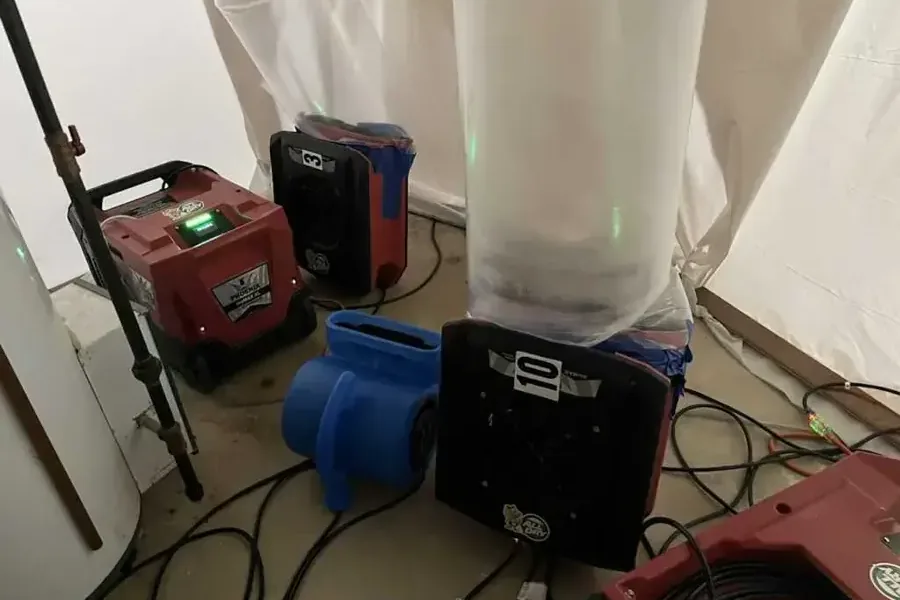 Structural DryingDehumidification and measured airflow remove retained moisture from building materials.
Flood Cleanup questions in Stanwood
Why is river water treated differently from a pipe leak?
Water that travels across land can carry contaminants into the building. The cleanup team treats floodwater as Category 3 and plans protected removal, cleaning and disposal accordingly. A clean supply leak may allow different material-retention options when the source and conditions support that decision.
Can fans dry a flooded room immediately?
Uncontrolled airflow can spread contamination before the affected materials are removed and durable surfaces are cleaned. The crew sequences extraction, debris removal and cleaning before general structural drying. Electrical safety and a sound building also need confirmation before powered equipment operates in the affected area.
Should a basement be pumped while outside water remains high?
Surrounding water pressure and the building condition affect safe pumping. The response team assesses those conditions before removing water from a lower level. Occupants should not start aggressive pumping without that assessment, particularly while floodwater remains against exterior walls or around the foundation.
Which photographs matter for a flood loss?
Wide room views, water marks, sediment patterns and damaged belongings help document the initial condition. The crew also records opened assemblies and drying measurements. Occupants should only take photos from a safe position; an insurance record never justifies entering contaminated water or a structurally unsafe room.
Does household insurance pay for rising water?
Rising floodwater is generally handled through flood coverage rather than ordinary sudden indoor water-discharge coverage. The property owner should check the actual policy with the insurer. Cleanup photographs and an itemized scope explain the loss for the insurer’s coverage review.
When can repairs begin after cleanup?
The exposed structure needs suitable moisture readings and a clear record of remaining contamination or damage before finishes close it back in. The drying team documents the endpoint, while the repair scope addresses materials already removed. A visibly clean room may still contain moisture in dense floor or framing assemblies.
Plan recovery after the floodwater recedes
Protected removal, cleaning and measured drying give the remaining structure a clear path toward repair.
Stanwood, WA · Water and sewage cleanup