Structural Drying in Stanwood, WA
The drying team measures moisture in building materials, matches airflow and dehumidification to the wet assembly, and adjusts equipment until recorded readings support the drying endpoint.
(888) 509-1696Measure the remaining moisture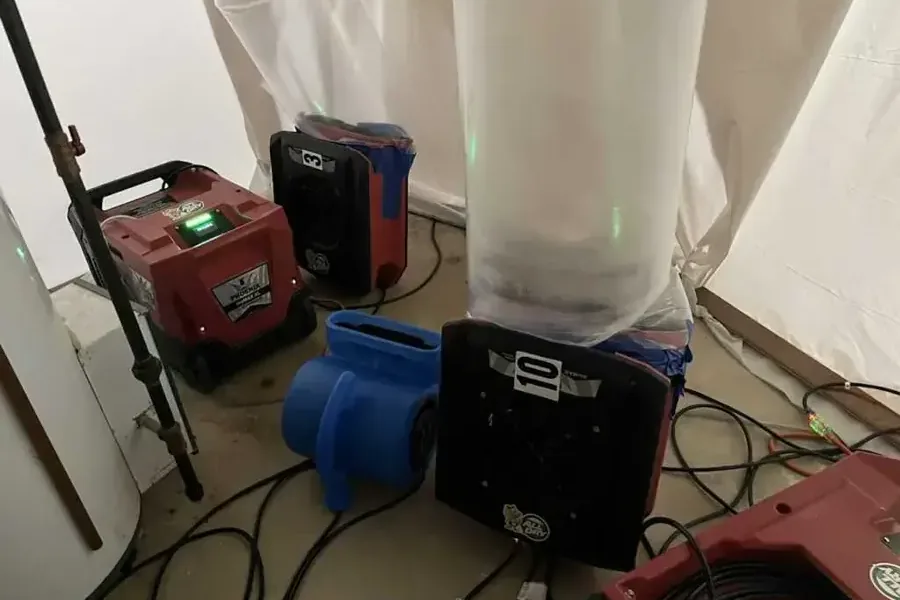
What to do now about structural drying in Stanwood
Confirm the source stopped
Report any continuing leak or new wet patch before drying equipment starts, because active water entry can overwhelm an otherwise suitable dehumidification plan.
Keep the wet area accessible
Leave safe routes to affected walls and floor edges, moving only dry light belongings without disturbing damaged materials or energized equipment in the room.
Describe concealed layers
Tell the technician about flooring, cabinets and insulation near the loss so the moisture assessment can account for assemblies that restrict evaporation.
Discuss equipment operation
Ask how the drying area should remain arranged, and report power interruptions or new water rather than moving or switching equipment without coordination.
How the team handles structural drying in Stanwood
Set material baselines
The technician maps wet surfaces and dry references, identifying water category, material class and access limits before selecting an initial equipment layout for the area.
Manage evaporation
Air movers support accessible wet surfaces while dehumidifiers remove released moisture, with placement adjusted to safe electrical capacity and clear walking routes through the building.
Review daily progress
Repeat material and air readings show whether the setup is working, allowing the drying team to change access or equipment when a particular assembly stalls.
Document final conditions
The completion file records the drying endpoint and remaining repair needs, distinguishing recovered structure from finishes or substrates that require additional testing before installation.
What does structural drying cost in Stanwood, WA?
Structural drying commonly costs $1,000 to $6,000 after water removal. The wet material volume, drying access and equipment duration drive the work; extraction, demolition and reconstruction can be separate items.
Small drying zone
- Accessible materials
- Limited equipment
- Routine readings
Several wet assemblies
- More air movement
- Dehumidification capacity
- Multiple test points
Dense or trapped moisture
- Specialty access
- Longer monitoring
- Complex floor layers
Water category, square footage, material class and the delay before drying change the scope. These ranges support planning, not a quote. Compare the inputs in the water damage cost calculator before discussing the wet areas and access.
A room can look clear after extraction while wood, drywall and flooring still hold water. The Stanwood drying team records that retained moisture and sets an achievable drying goal for each material. Air movement releases moisture from accessible surfaces; dehumidification removes it from the air so evaporation can continue.
Build a moisture map before setting equipment
The technician checks the water category, wet area and material layers, then compares affected surfaces with suitable dry references. Thermal imaging can help locate temperature patterns, but moisture measurements confirm the wet condition. Test locations need to remain consistent so later readings show real progress rather than a change in where the meter was placed.
East Stanwood, Cedarhome and the Market Street district include different building histories and uses. The actual wall and floor assemblies determine the drying approach. Dense wood, plaster, concrete and layered flooring release moisture differently, so a neighborhood label cannot substitute for the material assessment.
Balance airflow with moisture removal
Air movers should support the exposed evaporation surfaces without spreading contamination or blocking safe access. LGR dehumidifiers remove moisture from the air; difficult dense assemblies may need a different method or more access. The team checks the electrical supply and the condition of the drying area before positioning equipment.
- Record temperature, humidity and material readings together so the job file explains the drying conditions.
- Check whether a finish or wet insulation blocks airflow to the material that needs treatment.
- Adjust equipment when readings stall instead of extending the same setup without explanation.
- Keep clear walking routes and protect dry rooms from hoses, cords and removed material.
Use an endpoint that matches the material
Many wood drying goals compare the affected area with a dry reference, often within 2 to 4 moisture points where appropriate. Concrete and specialty flooring may require different tests or installation criteria. The technician identifies those requirements rather than applying a single meter number to every surface.
The drying-time estimator shows how materials and access change planning. Final readings, not the estimate, determine when mitigation equipment can leave. The completion record separates drying from reconstruction and flags materials that need replacement or further evaluation.
Do not change the drying environment casually
Occupants should discuss equipment changes with the drying team before switching units off, opening the enclosure or moving air movers. Altered airflow and humidity can interrupt progress. The crew also needs notice of tripped circuits, unusual equipment behavior or new water so the drying plan remains safe and effective.
Put the wet area first
Describe the wet materials and any equipment already running. The drying team establishes a baseline before deciding how the remaining moisture should be removed.
(888) 509-1696Discuss the drying measurementsFor public safety information, review flood precautions and the EPA indoor air information.
Structural drying in Stanwood
Restoration coverage includes ZIP 98292, downtown, East Stanwood and Cedarhome. The team checks safe access before moving extraction equipment into wet rooms. Report the water source, the affected floor and whether electricity reaches the damaged area.
Camano and Granite Falls also appear in the service area directory.
Related water damage services
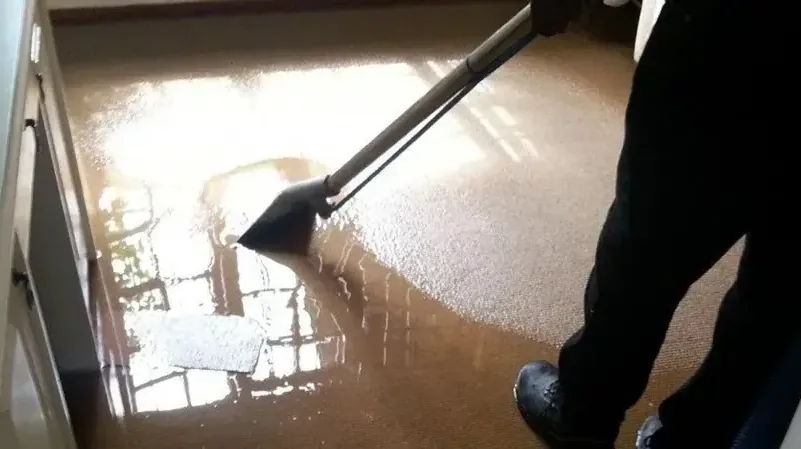 Water ExtractionExtraction removes standing water and exposes the wet edges beneath trim and flooring.
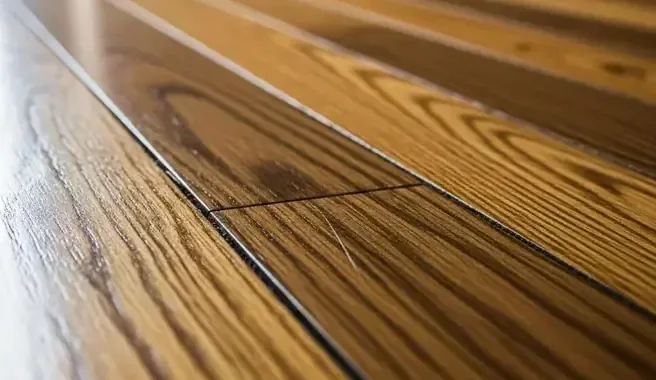 Hardwood Floor Water DamageWood and subfloor readings determine drying options before sanding or replacement decisions.
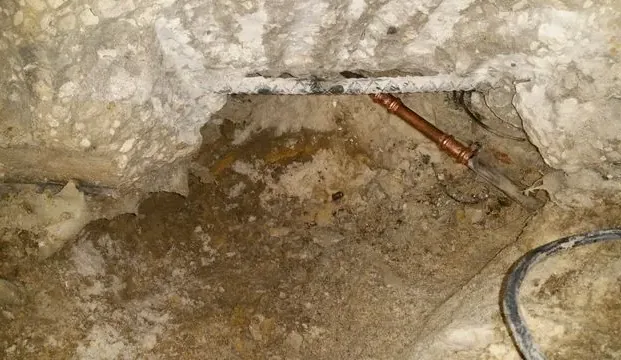 Slab Leak Water DamageMoisture beneath floor coverings needs testing after the leaking supply pipe is repaired.
Structural Drying questions in Stanwood
What does IICRC S500 mean for a dry-out?
IICRC S500 is an industry standard for professional water damage restoration. The drying approach considers the water source, material condition, moisture measurements and documentation. Referring to that standard describes the work method; it does not replace an assessment of the actual building and affected assemblies.
Why are air readings and material readings both needed?
Room humidity describes the drying environment, while material readings show retained moisture in the structure. A room can have improving air conditions while a concealed floor layer remains wet. The technician records both so equipment adjustments address the material that still needs drying.
Can the household switch equipment off at night?
Unplanned shutdowns can change humidity and slow evaporation. The drying team should explain the operating plan and discuss noise, access or electrical concerns with the household. Any interruption belongs in the record so later readings can be interpreted against the actual equipment runtime.
How long does structural drying usually take?
A contained, accessible clean-water loss often needs several days, while dense or layered materials can take longer. The team follows repeat measurements rather than promising a fixed finish date. New water, restricted access or unsuitable material retention can change the plan after work begins.
Does dry drywall mean the studs are also dry?
The finish and framing can lose moisture at different rates, particularly where insulation or multiple layers restrict airflow. The technician checks the assembly rather than relying on the surface appearance. Selective access may be needed to test or dry material hidden behind an apparently recovered finish.
What happens when readings stop improving?
The team reviews the source, access, equipment capacity and material layers. A stalled area may need a revised drying method or selective opening. Extending the same setup without investigating the reason leaves the owner without a clear explanation of progress or the remaining work.
Finish the dry-out with a clear record
Repeat material readings show where recovery is progressing and what still needs access, removal or a different drying approach.
Stanwood, WA · Water and sewage cleanup