Ceiling Leak Water Damage in Stanwood, WA
The restoration team checks overhead stability, traces the water source above the room and dries joists and wall cavities after safely addressing saturated ceiling materials.
(888) 509-1696Assess the dripping ceiling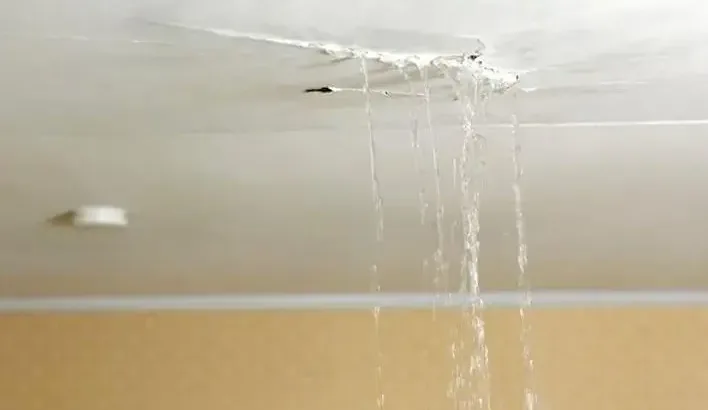
What to do now about ceiling leak water damage in Stanwood
Leave the overhead area
Keep people away from a bulging or cracked ceiling and avoid moving furnishings if that requires standing under saturated material or wet fixtures.
Stop a safe source
If an upstairs fixture is the known cause, close a reachable valve from a dry location without crossing water or disturbing the ceiling below.
Keep lights untouched
Do not operate wet lights, fans or switches; report them so the response team can arrange an appropriate electrical safety assessment before work.
Describe the dripping pattern
Note whether the leak follows fixture use or rain and whether stains have spread toward walls, giving the technician a useful starting route.
How the team handles ceiling leak water damage in Stanwood
Check stability and wiring
The team defines a safe work zone and evaluates visible ceiling movement and electrical concerns before anyone opens the overhead assembly or positions powered equipment.
Follow concealed moisture
A technician checks accessible upper spaces and adjoining ceiling bays, linking the visible stain to wet framing and wall tops that require further inspection.
Create controlled access
The crew documents and removes unstable finishes or obstructing wet insulation, then sets airflow and dehumidification around the exposed assembly and occupied areas.
Approve the drying endpoint
Repeat readings show whether joists and wall edges have recovered, and the final record identifies remaining source repairs and ceiling reconstruction before enclosure.
What does ceiling leak water damage cost in Stanwood, WA?
Ceiling leak mitigation commonly ranges from $800 to $4,500, depending on the wet area, overhead access and insulation removal. Electrical evaluation, source repair and replacement ceiling finishes may add separate costs.
Localized ceiling damage
- Safe moisture check
- Small opening area
- Limited equipment
Several ceiling bays
- Controlled removal
- Wet insulation access
- Joist monitoring
Ceiling and wall spread
- Broader containment
- Multiple drying surfaces
- More repair boundaries
Water category, square footage, material class and the delay before drying change the scope. These ranges support planning, not a quote. Compare the inputs in the water damage cost calculator before discussing the wet areas and access.
Dripping drywall can hide a much larger wet area above the finish. The Stanwood response team checks for sagging, loose material and water around electrical fixtures before entering the room. A leak from an upstairs bath, a supply pipe or the attic needs source repair as well as drying of the ceiling assembly.
Trace the source above the visible stain
The technician compares the leak timing with plumbing use and rainfall, then checks accessible spaces above the affected room. Water can run along a joist and appear away from the original release. The moisture map follows that route into wall tops and adjoining ceiling bays so selective opening reaches the actual wet area.
East Stanwood and Market Street reflect the city’s older business districts, while Cedarhome includes residential coverage. The crew inspects each building’s ceiling layers and access rather than assigning a construction type to an entire district. Plaster, drywall and insulated cavities can require different handling even within the same property.
Open unstable material under controlled conditions
A bowed ceiling should not become a household drainage experiment. The team first establishes the drop zone and checks nearby wiring. Saturated material may need controlled removal, particularly where it has lost strength or blocks access to retained water. Photographs before opening preserve the initial condition for the job record.
- Keep the occupied route outside the area beneath sagging or loose ceiling finishes.
- Record the fixture or activity associated with dripping before the source repair changes conditions.
- Inspect the upper wall edge where water can descend behind paint and trim.
- List finish replacement separately from the work needed to dry sound joists and framing.
Measure the assembly before closing it
The drying crew extracts accessible water, removes obstructing wet insulation when necessary and directs airflow through the opened cavity. Dehumidifiers remove moisture released into the room air. The technician returns to mapped test points instead of relying on a ceiling that looks lighter after a few hours of ventilation.
A rain-origin leak belongs with roof leak drying, while an upstairs supply failure needs a plumbing repair. In either case, the final record should show source control and material readings before a new ceiling hides the cavity again.
Do not stand beneath a swollen ceiling
Wet finishes can fail without much warning. Occupants should keep people and pets outside the affected room and avoid wet switches or lights. The restoration team checks electrical hazards and structural stability before controlled opening, extraction or equipment placement. Belongings can wait until access is safe.
Put the wet area first
Report sagging, wet fixtures and the likely room above the stain. The team starts with overhead safety before tracing concealed water.
(888) 509-1696Discuss the overhead waterFor public safety information, review flood precautions and the EPA indoor air information.
Ceiling leak water damage in Stanwood
Restoration coverage includes ZIP 98292, downtown, East Stanwood and Cedarhome. The team checks safe access before moving extraction equipment into wet rooms. Report the water source, the affected floor and whether electricity reaches the damaged area.
Camano and Granite Falls also appear in the service area directory.
Related water damage services
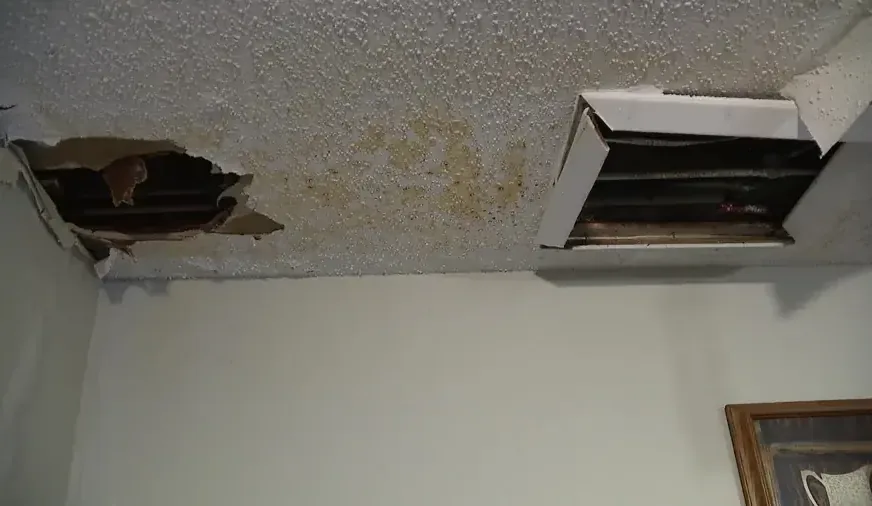 Roof Leak Water DamageRain entering through the roof can wet attic insulation and ceiling framing below.
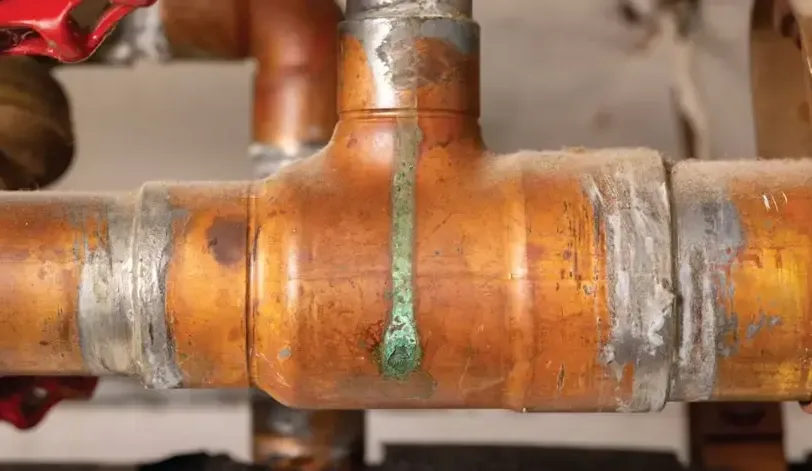 Burst Pipe Water DamagePressurized leaks spread through connected rooms and wall cavities before the valve closes.
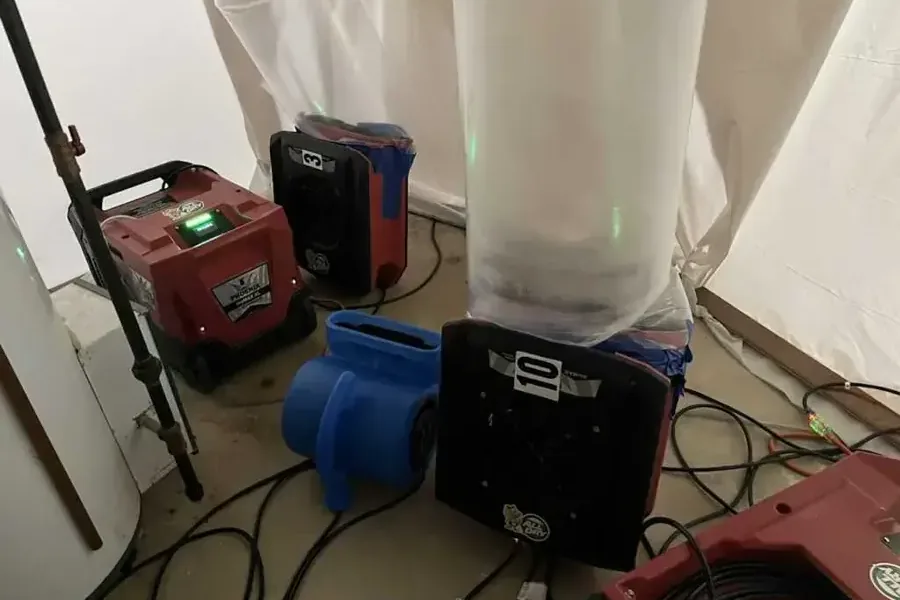 Structural DryingDehumidification and measured airflow remove retained moisture from building materials.
Ceiling Leak Water Damage questions in Stanwood
Is a ceiling stain always a roof leak?
Water can come from plumbing, an upstairs fixture or the roof assembly. The technician uses the timing and accessible moisture route to narrow the cause. A roofing or plumbing repair then addresses the source, while the restoration scope treats the materials that were wetted.
Can a bowed ceiling collapse?
Saturated ceiling material can lose strength and separate from its supports. Occupants should avoid the area below it rather than test it or puncture a bulge. The response team assesses stability and electrical conditions before controlled removal or drainage inside a protected work zone.
Will repainting seal the damage?
Paint can cover discoloration while leaving moisture inside the cavity. The team checks joists, insulation and wall edges before finishes are restored. Repainting belongs after source control, drying and any necessary material replacement, so the new finish does not conceal an unresolved wet assembly.
Does every wet ceiling need complete removal?
Removal depends on stability, contamination, damage and drying access. A small sound section may have different options from a broad sagging area. The technician explains the boundaries and records the reason for opening each section instead of automatically removing an entire room’s finish.
Why check walls when the water is overhead?
Water can follow framing and descend inside wall cavities before it appears at the floor. The moisture map includes wall tops, corners and baseboards connected to the ceiling loss. Those checks help prevent the dry-out from ending while another part of the same water route remains wet.
What information helps dispatch assess a ceiling leak?
Report sagging, cracks, active dripping and wet light fixtures, along with any known upstairs source. Dispatch operates 24/7. Photographs from a safe position and a description of the room above help the response team plan access without asking anyone to stand beneath unstable material.
Treat the wet ceiling as an assembly
Safe opening, source repair and material readings address the joists and insulation behind the visible stain.
Stanwood, WA · Water and sewage cleanup