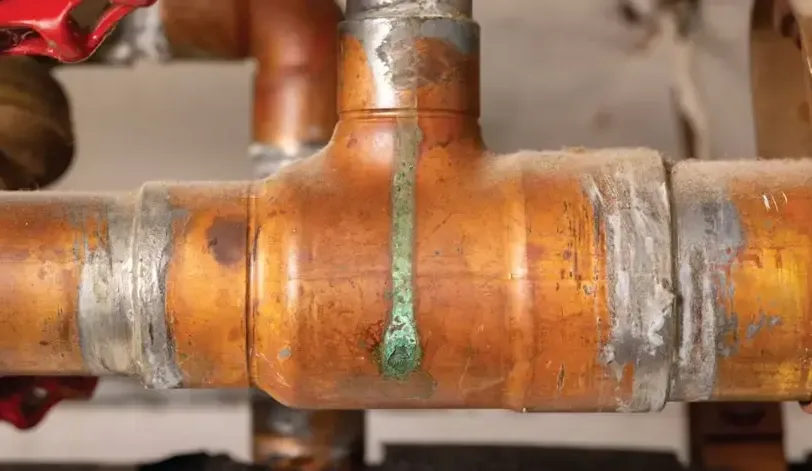
Maple Grove includes primary residences and seasonal cabins. At a Camano property visited intermittently, a pipe leak may first become visible when an owner or caretaker opens the door. The most helpful response combines safe source control with a careful record of the cabin's condition, followed by a plan that keeps inspection and drying visits possible after the owner leaves.
Key takeaways
- Keep the last visit date separate from the date the leak was discovered.
- Identify the property's supply and shutoff arrangement before operating controls.
- Document damp storage areas and contents along the water route.
- Name an authorized contact who can provide access during the work.
- Arrange follow-up decisions and repair handoffs before leaving the cabin unattended.
Preserve the discovery scene from a safe position
The first person entering the cabin should look for hazards before stepping farther inside. Water around electrical devices, loose ceiling material or a damaged floor requires a restricted area.
Photographs from the entrance can establish the room condition while the owner arranges appropriate help and explains what is visible.
The last known dry visit belongs in the notes alongside the discovery date. A caretaker may also remember an earlier maintenance visit or a delivery made while the property was unoccupied.
Keeping these observations distinct gives the inspecting team a useful sequence without assigning a leak duration that nobody actually witnessed.
The description can include where the water first becomes visible, whether a pipe is still releasing water and which rooms are accessible. A burst pipe cleanup assessment uses those observations to organize source control and interior inspection.
The damaged connection and the water-affected cabin materials need separate attention.
- Record who discovered the water and which entrance was used.
- Save the last available photographs from an earlier dry visit.
- Describe active water movement from an unaffected location.
- Keep unsafe rooms closed while access is assessed.
Identify the supply before attempting a shutoff
Private wells and water associations serve island residents, and Camano Water Association supplies its members. A cabin's records can identify the actual provider or well arrangement.
The owner should use those records to direct the appropriate professional to the relevant supply controls instead of assuming that a neighboring property has the same setup.
Shared controls deserve particular care. The person arranging the work should identify who has authority to operate them and whether another occupied property is connected.
A plumber or the responsible supply contact can help establish safe source isolation while the restoration crew prepares to inspect the escaped water inside.
Once the source has been controlled, the file should state what was done and by whom. The damaged pipe still needs repair and a suitable check by the responsible trade.
That step should remain visible in the plan even when the immediate flow has stopped and attention shifts to the wet rooms.
- Locate provider details or well records kept with the cabin paperwork.
- Ask about shared supply responsibilities before changing a control.
- Tell the repair trade which fixture or pipe was observed leaking.
- Record the source repair separately from interior cleanup.
Look inside storage areas along the water route
A seasonal cabin may have belongings stored between visits, so the inspection should include the contact surfaces beneath them. A dry-looking container lid says little about the floor under its base.
The crew can document the arrangement before moving items and assess any wet contents according to their material and exposure.
Closets and cabinet toe spaces deserve attention when the visible route reaches them. Water can collect against an edge that remains out of view during a brief arrival check.
The inspection should identify these locations on a room sketch so cleanup reaches the concealed contact points as well as the open walking area.
For accessible liquid, water extraction creates a cleaner view of the floor and allows further material checks. Contents movement should remain coordinated with that work.
The owner can request a simple inventory showing where items came from, which require further assessment and where retained belongings have been placed.
- Photograph stored items before changing their arrangement.
- Inspect the floor beneath removable rugs and containers when safe.
- Keep affected belongings separate from dry storage.
- Identify cabinet and closet edges reached by the release.
Make access arrangements before the next departure
A cabin drying plan needs someone able to admit the crew and authorize necessary decisions. The owner can name a caretaker or another responsible contact and specify how visits will be arranged.
The agreement should cover access to the affected rooms, the relevant supply controls and any space needed for equipment.
Remote ownership also makes communication preferences useful. Photographs, room names and a brief description of new findings can help the owner understand why the scope changes.
An agreed contact method reduces delays when the inspection reveals another wet cavity or a material that needs removal before drying can continue.
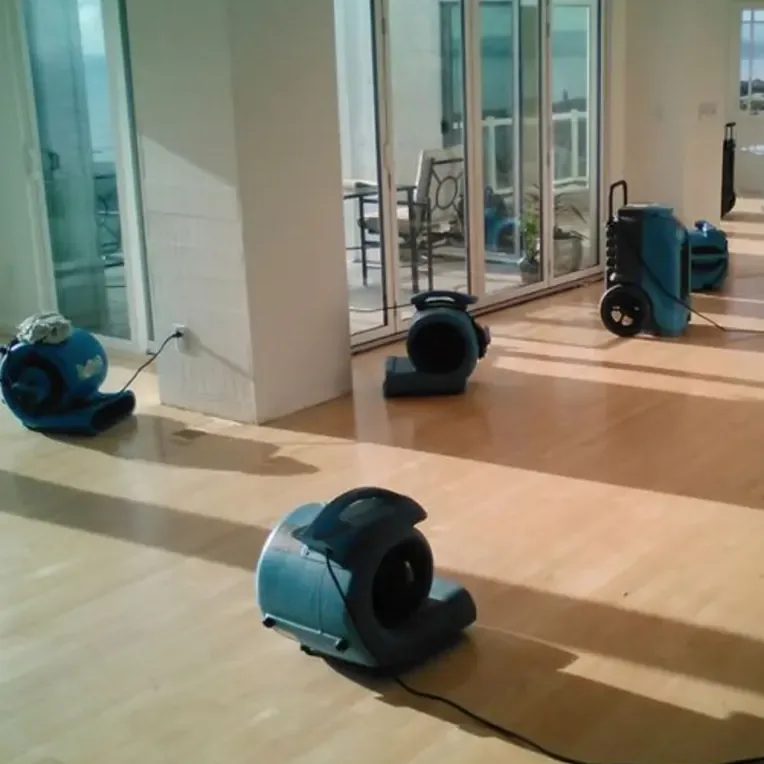
Equipment should remain under the control of the people responsible for the work. The caretaker needs clear instructions about restricted areas, what changes to report and who to contact if the setup is disturbed.
The arrangement should support regular inspection without leaving an occupant to diagnose equipment or hidden moisture alone.
Track drying by material instead of the travel calendar
An owner may hope to finish restoration before the end of a visit, but material condition determines the remaining work. The crew should explain which surfaces are being monitored and how they respond.
That explanation lets the owner arrange continued access even when a personal travel schedule changes.
During structural drying, the record can follow exposed framing, retained wall areas and the relevant floor layers. Repeatable inspection points make progress understandable to someone receiving updates remotely.
The report should distinguish improvement in an open room from a concealed area that still needs attention.
Equipment removal also requires a handoff plan. The owner or authorized contact should know what has been retained, what was removed and which repairs remain.
Arranging that conversation before the final visit helps keep the cabin secure while preserving access for the trades that will restore the finishes.
Leave a usable property record for the next visit
The final cabin file can bring together the pipe repair record, the room inventory and the drying observations. These records help the next person entering the property understand what changed.
Photographs of repaired access points are especially useful when an owner was absent for part of the work.
Any remaining finish tasks should be described by location rather than a general promise to complete the cabin later. A closet panel, a doorway transition and a removed cabinet toe piece may involve different repair arrangements.
Naming them allows the caretaker to check access and helps the owner compare proposed work with the original loss.
Before the property is left unoccupied again, the owner should settle the ongoing inspection arrangement with the responsible parties. A clear assignment for property visits and reporting new water observations supports continuity.
The restoration record then remains available if a later visit reveals a change that needs a professional inspection.
Questions
How should an unknown leak start date be recorded?
The file can give the last visit when the cabin appeared dry and the later discovery date as separate observations. Any witnessed water release or intervening visit can be added with its own date.
Can a caretaker coordinate the cleanup?
An authorized caretaker can help with entry, photographs and scheduling. The owner should define which decisions that person can make and provide a clear contact for material or repair questions requiring approval.
Does the water association serve every cabin?
Property records identify the cabin's actual supply. Island residents use private wells and water associations, so the provider or well arrangement should be established for the affected property before controls are operated.
Should stored boxes be carried into a dry bedroom?
The crew should first assess the boxes and their contact surfaces. A planned contents location keeps wet or affected items from introducing moisture and debris into an otherwise usable room.
Can drying continue when the owner travels home?
Continued work requires agreed access, a responsible contact and monitoring arrangements. The restoration team can explain how visits and necessary decisions will be handled while the owner is away.