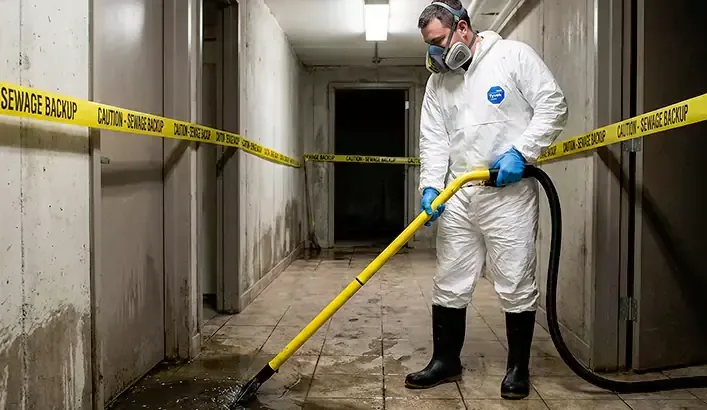
Island County advises against using a septic system when water stands on the surrounding ground. For a Camano household facing backed-up fixtures during flooding, that advice belongs alongside a controlled indoor cleanup plan. The wastewater provider needs to assess the property system while the restoration crew keeps affected rooms separated and determines what the sewage has touched.
Key takeaways
- Follow the county advice to avoid septic use while surrounding ground is flooded.
- Keep people and pets out of rooms affected by sewage.
- Identify the actual wastewater arrangement before assigning repair responsibility.
- Avoid moving contaminated belongings through dry living spaces.
- Coordinate indoor cleanup with the professional handling the septic or shared system.
Reduce wastewater use while the system is assessed
When standing water surrounds the septic area, routine household use adds wastewater to a system that already needs attention. The county's instruction gives the household a clear immediate action.
The owner should contact the appropriate wastewater professional and explain the outdoor conditions together with any fixture backup observed inside.
The first report should describe whether a toilet, shower or other fixture has overflowed and whether the event is continuing. The location of standing water outdoors is also useful.
These observations let the professional prepare for the actual property conditions without requiring the household to open or inspect septic components.
Indoor sewage backup cleanup addresses the contaminated room and materials. The system assessment addresses the route that must carry wastewater away from the property.
Keeping those responsibilities connected helps prevent cleanup from being interrupted by another discharge while a source problem remains active.
- Describe the affected fixtures and the surrounding outdoor water.
- Avoid repeated flushing to test whether the backup has cleared.
- Keep occupants away from sewage and flooded system components.
- Arrange both wastewater assessment and interior restoration as needed.
Use the property's wastewater records to find the right contact
Maple Grove homes historically used individual septic systems. The community wastewater project moves sewage from shoreline homes to an inland drain field, and Maple Grove Septic Association formed to develop that solution.
A homeowner should use current property records to identify the system and responsible contact serving the affected residence.
Island County Public Health provides septic owner education and permitting services. Those services provide a local contact for system questions that belong outside the indoor restoration scope.
The owner can keep relevant system records available for the wastewater professional, including details of shared arrangements where they apply.
A community system and an individual tank create different coordination needs. The first conversation should establish who can investigate the relevant components and who should be notified about the backup.
A restoration crew can document the indoor release while the responsible system professional diagnoses the wastewater path.
- Locate the property's septic or community system paperwork.
- Identify the person responsible for shared components.
- Describe earlier service visits relevant to the present backup.
- Keep wastewater repair findings with the interior cleanup file.
Establish a clean route around the affected room
A sewage overflow creates a handling problem as well as a wet floor. Shoes, movable contents and cleanup tools can carry contamination beyond the initial area.
The crew should establish a work boundary and a route that keeps the affected materials away from the household's usable rooms as far as the layout allows.
Occupants should leave absorbent items in the affected area until their condition can be assessed safely. Carrying a wet rug through a hallway can extend the cleanup into another space.
The restoration team can document each item and determine an appropriate removal, cleaning or disposal arrangement based on the exposure.
The access plan should also account for the household's essential movement. If the affected room blocks a usual route, the crew can explain the restriction and any available alternative.
Clear instructions are more useful than expecting occupants to judge contamination by appearance or to improvise a path through the work area.
- Close the room to children, pets and unnecessary traffic.
- Keep wet cleaning tools out of unaffected household storage.
- Photograph contents without handling them unnecessarily.
- Ask the crew to explain the boundary before belongings are removed.
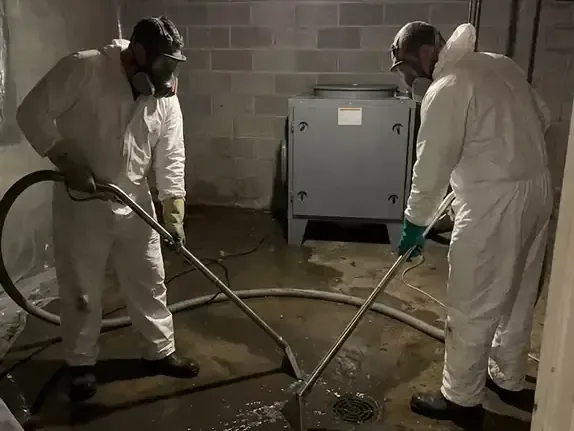
Connect outdoor flood conditions with the indoor work plan
Island County identifies king tides as higher-than-usual tides that can cause flooding without rain. The county also warns that blocked storm drains can create localized flooding.
Recording the outdoor conditions at the time of a backup gives the wastewater professional useful information for the property assessment.
Private well arrangements deserve attention during a flood as well. The county warns that floodwater can make well water unsafe.
The household should raise that concern with the appropriate water professional while flood cleanup addresses any exterior water that has entered the building.
The restoration scope should distinguish sewage discharge at a fixture from outside water crossing another entry point. Both may affect the same room, but documenting each observed route helps explain the material decisions.
The crew can update the room record when removal reveals additional residue or concealed contact areas.
Decide what can remain before drying begins
Sewage contact changes the assessment of absorbent finishes and contents. The crew must evaluate the materials reached by the discharge and determine which can be cleaned and retained.
The owner should receive a clear explanation of removal decisions connected to the actual exposure and the material's condition.
Retained hard surfaces need appropriate cleaning before the work proceeds to drying. That sequence keeps removal of liquid separate from treatment of what the liquid left behind.
A clean-looking floor after extraction still needs the documented cleaning and material assessment required by the release.
Once those decisions are made, structural drying can address retained building layers. The record should identify accessible inspection points and any remaining concealed areas.
Drying progress belongs in the same room file as the contamination boundary so the later repair team understands both parts of the work.
Reopen the room through a coordinated handoff
The wastewater professional's findings should be available before normal use resumes under the agreed plan. The household needs to know what was corrected and whether further system work remains.
Indoor restoration can then be evaluated with an understanding of the source conditions that affected the room.
The cleanup handoff should identify removed materials, treated surfaces and retained layers that were monitored. Outstanding trim, flooring or wall repairs need named locations.
This gives the owner a practical list for follow-up work and reduces the chance that an unfinished surface is overlooked when the room becomes accessible again.
A useful property file keeps wastewater service information beside photographs and restoration records. If another fixture problem occurs later, that combined history helps the responsible professional understand the earlier event.
It also gives the household a reliable account of the work completed inside and outside the building.
Questions
Can household washing continue while the septic area is flooded?
The county advises against septic system use when water stands on the surrounding ground. The household should discuss the current conditions and the return to normal use with the responsible wastewater professional.
Who handles a backup in a home with shared wastewater service?
The property's current system records should identify the responsible contact. That person can coordinate investigation of shared components while a restoration provider assesses sewage exposure inside the affected residence.
Does clear-looking water from a backed-up drain need assessment?
A drain backup must be evaluated by its source and contact path. The crew uses that information to select containment, material handling and cleaning procedures for the affected space.
Should fans be placed in the room immediately?
Equipment placement follows the contamination assessment and controlled cleanup plan. Occupants should leave the affected area undisturbed until the crew determines the appropriate sequence for removal, cleaning and drying.
What local agency can help with septic records or permitting?
Island County Public Health provides septic education and permitting services. The owner can bring property information and the wastewater professional's findings to a question about the affected system.