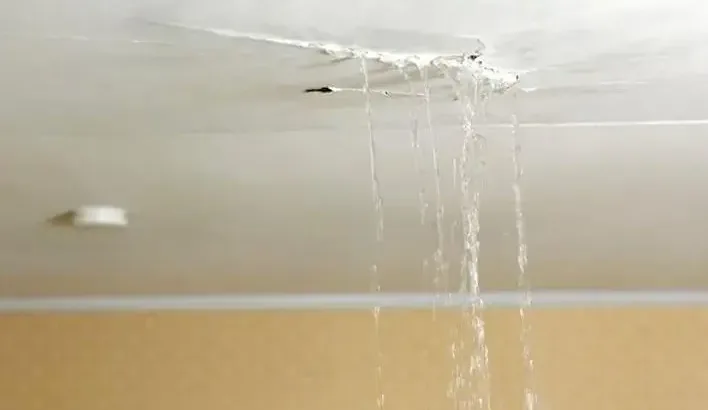
A drip landing in the middle of a Stanwood room can draw attention away from the space above it. Water may already be spreading across the back of the ceiling before an occupant notices the first drop. A useful response protects the room, identifies what is feeding the leak and checks the overhead materials before anyone starts patching the visible stain.
Key takeaways
- Keep people away from a sagging ceiling and wet electrical fixtures.
- Describe when dripping began and what plumbing or rainfall was occurring.
- Have the source checked before closing any inspection opening.
- Include the floor, furnishings and adjoining ceiling areas in the assessment.
- Base ceiling repairs on retained material condition and documented drying results.
Clear the space beneath the wet area
The first decision concerns where people can stand safely. A ceiling that has swollen, separated at a joint or started dropping pieces needs a clear area beneath it.
Furniture and belongings can wait when moving them would require someone to stand directly under damaged overhead material.
Water around a light, fan or other electrical fitting changes the access plan. Occupants should avoid touching the fitting or operating a nearby wet switch.
The restoration crew needs to know about that location before equipment enters the room so electrical assessment can be arranged through an appropriate professional.
Photographs taken from an unaffected doorway can preserve the initial appearance without disturbing the ceiling. A wide view helps connect the stain to room features, while a closer photograph taken from a safe position records cracking or discoloration.
The owner should keep those images with the discovery notes.
- Close the affected room to children, pets and visitors.
- Leave bulging overhead finishes undisturbed.
- Mention wet lights or powered equipment when requesting help.
- Move dry possessions only along a safe route outside the damaged area.
Use the timing of the drip to narrow the inspection
The owner can describe whether dripping appeared during rain, while an upstairs fixture was being used or after an appliance discharged. Those observations give the inspecting trade a practical starting point.
A brief written sequence is more useful than selecting a cause solely from where the stain appeared.
Water can travel across framing or along the upper surface of a ceiling before finding an opening. The wet spot below may therefore sit apart from the actual release above.
Ceiling leak assessment follows that route while checking the condition of the materials that carried the water.
A source investigation also considers whether water is still entering. An active plumbing release needs a safe shutoff and repair arrangement; rain entry needs appropriate temporary protection and roof assessment.
The work record should identify the action taken and whether further observations showed new dripping afterward.
- Record the first observed drip and any later change in flow.
- Note recent fixture use without running a suspect fixture again.
- Save photographs showing how the stain expanded.
- Tell the inspecting professional about previous repairs above the same room.
Choose an opening that answers a useful question
Opening a ceiling is a controlled inspection task. The crew first considers stability, electrical hazards and the position of the suspected water route.
The purpose of access is to see affected layers and support their treatment, so the location should follow the inspection findings rather than the center of a decorative stain.
Once access is safe, the inspection can distinguish the ceiling finish, insulation, framing and nearby connections. Each layer needs its own decision about retention, cleaning or removal.
Wet insulation above a visually modest stain may need attention that would be missed by repainting the room surface alone.
The owner can ask for photographs of the cavity before it is closed. Images that show the opening in relation to the room, followed by a closer view of the affected layer, make the later repair scope easier to understand.
The record should also identify any additional access needed elsewhere.
- Ask what the proposed opening will let the crew inspect.
- Have removed finishes and retained framing identified separately.
- Keep the source repair accessible until its condition has been checked.
- Record any concealed wet area found beyond the original stain.
Follow the falling water into the room below
A ceiling leak also creates a floor problem. Drops may collect behind furniture, soak a rug or reach the edge of a wall before an occupant sets down a container.
The assessment should include the surfaces below the release and the places where water moved after landing.
A container catches new drips but leaves previously escaped water in place. The crew can examine the undersides of affected belongings and the floor beneath them, then arrange water extraction where liquid remains.
Contents handling should preserve a clear connection between each item and its original wet location.
An adjoining room may deserve inspection when water crossed a threshold or followed a ceiling joint through a partition. Consistent room names on photographs and notes help separate these paths.
That organization prevents a small-looking overhead mark from shrinking the assessment to the ceiling finish alone.
Dry the overhead assembly before decorative work
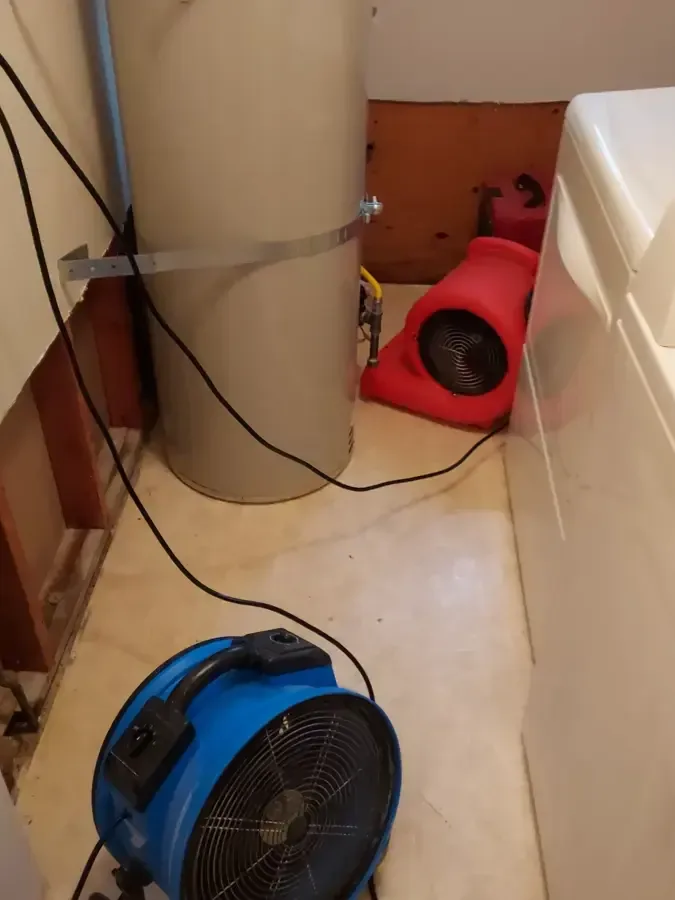
Air movement in the occupied room may not reach moisture enclosed above the ceiling. The drying plan has to account for the actual assembly and the access created during inspection.
Retained framing and other materials are monitored at locations that can be checked again as the work progresses.
Structural drying brings the retained materials into the same record as the visible room surfaces. Equipment selection and placement follow the moisture pattern and safe access.
The owner should receive an explanation of which overhead areas are being monitored and what finding will support equipment removal.
Painting can make a ceiling look finished while concealing an unresolved wet layer. Decorative repairs belong after source correction and the assessment of retained materials.
If a repair contractor takes over later, the handoff should show the opening locations, the material decisions and the final recorded conditions.
Prepare a ceiling repair handoff that stays understandable
A useful closing file separates the leaking component from the surfaces damaged by escaped water. It names the trade that handled the source and describes the interior cleanup work.
This helps the owner follow an invoice for a plumbing or roof repair alongside the different work needed inside the room.
The file should also show what remains unfinished. Ceiling board replacement, trim work, painting and the return of displaced contents may happen under separate arrangements.
Naming those tasks plainly keeps an equipment removal visit from being confused with completion of every repair in the room.
Future occupants or a later repair contractor benefit from a concise explanation of the original water route. A room sketch, dated photographs and material readings provide that continuity.
The most useful handoff lets another person locate the same cavity and understand why particular surfaces were retained or removed.
Questions
Should a homeowner puncture a ceiling bulge?
A bulging ceiling requires professional assessment of stability and hazards above it. Occupants should keep the area beneath it clear and avoid probing the surface, especially around electrical fixtures or visibly separated material.
What if the dripping stops before the appointment?
The discovery photographs and timing notes remain useful. Inspection can still check overhead layers and the affected room for retained moisture, while the appropriate trade investigates what caused the release.
Can a stain identify the leaking fixture?
The stain locates visible damage. The source investigation follows connections and the observed water route above it, including areas beyond the point where drops entered the room.
Does replacing ceiling board complete the repair?
The replacement addresses a finish layer. The source, any affected insulation or framing, and the surfaces below the leak all need their own assessment before the work can be closed.
What should be available for a first inspection?
Useful information includes access to the affected room, the discovery sequence, earlier repair details and photographs taken before cleanup. The owner can also identify any room above the wet ceiling.