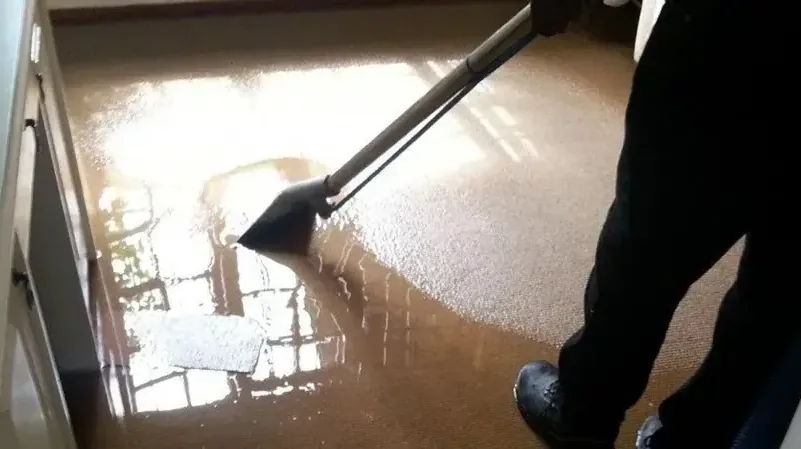
A puddle can make a water loss appear neatly contained in a Stanwood room. The edge visible from the doorway may miss liquid under furniture, behind a threshold or beneath a floor covering. Extraction works best when the crew first understands the source, the safe route into the space and the connected surfaces that need inspection.
Key takeaways
- Report whether water is still entering before describing the size of the puddle.
- Keep occupants away from wet electrical items and unstable surfaces.
- Include thresholds and concealed contents contact points in the inspection.
- Match handling and cleaning decisions to the water source and affected materials.
- Follow liquid removal with a separate assessment of retained moisture.
Give the crew a practical description of the release
The first report can identify the room, the earliest observed water location and whether the release continues. A homeowner may have seen a connection spray, a fixture overflow or outside water cross a doorway.
Describing that observation helps the crew prepare without requiring the occupant to diagnose every hidden part of the loss.
Safe access deserves equal attention. Water near powered equipment, a damaged ceiling or an unstable floor affects how the inspection begins.
The owner should describe those features from a safe position and leave the affected area alone until appropriate assessment and source control can be arranged.
The scope of water extraction depends on where liquid remains and which materials it has reached. A small visible area beside a cabinet may connect with a much larger concealed wet edge.
The crew should explain how the inspection establishes that boundary before removal equipment is positioned.
- Identify the first place water was noticed and any later spread.
- Mention electrical equipment or damaged finishes in the wet area.
- Describe a completed shutoff or repair without testing the source again.
- Keep a safe route available from the entrance to unaffected rooms.
Trace thresholds and furniture contact points
Doorways can hide changes in floor height, material or construction. Water that reached a threshold may have entered the next room even when its main walking surface looks dry.
The crew can inspect the junction, compare nearby surfaces and add any affected area to the working room diagram.
Contents create another set of concealed edges. A rug, storage container or furniture base can hold water against the floor where it is difficult to see.
Moving those items requires attention to their condition and the release type, with photographs preserving the contact area before the arrangement changes.
The inspection should follow the route into wall bases and built-in features where observations support it. A puddle beside cabinetry may have reached the toe space or the back of a lower panel.
Naming these locations makes the removal and drying scope more useful than relying on a single estimate of the room's wet surface.
- Include floor transitions in photographs of the water route.
- Record the bottoms of affected movable items.
- Keep cabinet edges and wall bases accessible for inspection.
- Label additional wet areas as they are discovered.
Let water condition determine how the space is handled
The crew needs to understand whether the release came from a supply connection, an appliance discharge, sewage or outside water. That distinction affects contents handling, material assessment and cleaning.
Clear-looking water still needs its source and route established before the room is treated as an ordinary surface spill.
When exterior water has entered, flood cleanup includes attention to residue and materials exposed along that route. The equipment path and removal plan should keep affected contents from crossing dry household areas unnecessarily.
Owners can ask where items will be assessed and how unaffected spaces will remain separated.
Material decisions belong beside the removal plan. A hard surface that can be cleaned presents a different task from an absorbent layer that cannot be retained after the exposure.
The work record should identify those decisions so the owner understands why extraction alone may leave additional cleanup or removal tasks.
- Describe the source and any visible residue to the crew.
- Keep wet belongings separate from unaffected stored items.
- Avoid carrying contaminated coverings through occupied rooms.
- Ask which materials need cleaning, removal or further assessment.
Arrange equipment around the actual room layout
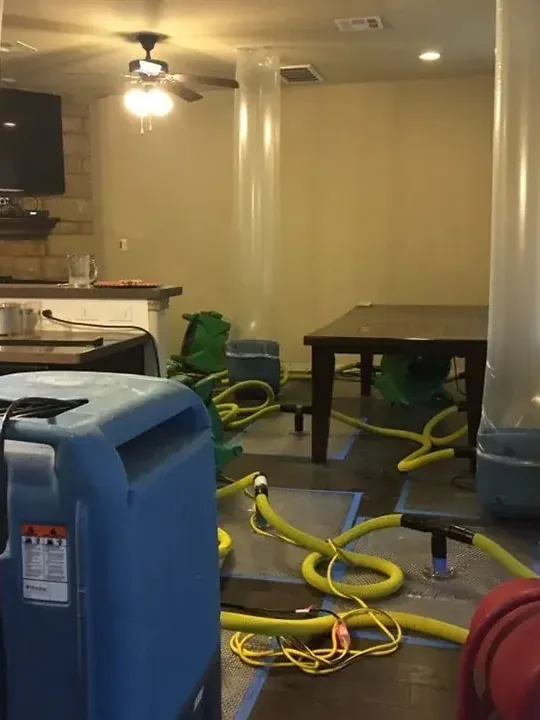
Extraction equipment needs a workable route through the property. A narrow doorway, occupied adjoining room or protected cabinet can influence that arrangement.
The crew should explain where equipment and hoses will run so occupants understand the temporary restrictions and can reach unaffected spaces without stepping through the work area.
Removal also needs to account for pockets of water that remain after the open floor has been addressed. The crew can revisit accessible edges, inspect newly exposed surfaces and adjust the scope when contents movement reveals another wet area.
These follow-up observations should stay connected with the original room record.
An owner does not need to move every item before the crew arrives. Some contents should remain in place until their condition and contact surfaces are documented.
A planned sequence gives the crew the access needed for removal while preserving information about where water traveled and what it touched.
Check what remains after standing water is gone
Liquid removal changes the appearance of the room quickly, but it does not answer every material question. Water can remain in a floor assembly, wall edge or enclosed cabinet base.
The next assessment focuses on retained moisture and the access needed to evaluate the surfaces that will stay in place.
Structural drying follows those material findings with a monitored equipment plan. Readings at repeatable locations allow the crew to track the response of retained surfaces.
The owner should receive a plain explanation of the monitored areas and the conditions needed before the equipment can be removed.
A room can therefore move from extraction into drying while still looking unfinished. Removed trim, exposed layers and displaced furnishings may be necessary for inspection and treatment.
The handoff between those activities should identify what has been completed and which material decisions or repairs remain outstanding.
Keep the cleanup record organized by room
A room-based record helps the household follow a water loss that crosses several surfaces. Each area can have discovery photographs, a contents list, removal notes and later material readings.
Consistent names prevent an item described as a hallway cabinet in one file from becoming an unidentified storage unit in another.
The closing record should distinguish the volume of visible work from its purpose. Extracting liquid, handling contents, cleaning retained surfaces and drying concealed layers address different parts of the loss.
Clear descriptions let the owner examine the scope and ask about unfinished work without needing to interpret equipment terminology.
The final conversation can also identify who handles the source repair and the restoration of removed finishes. A repaired connection, a dry room and a completed floor are separate milestones with separate evidence.
The owner should leave the conversation with named remaining tasks and the records needed by the next trade.
Questions
Is a small puddle always a small cleanup?
The inspection follows connected surfaces and concealed edges around the visible water. A limited puddle can still require attention beneath contents or at a floor transition, depending on what the crew finds.
Should belongings be moved before photographs are taken?
Safe access comes first. Where conditions allow, photographs of the item and its floor contact point preserve useful information before the crew decides how it should be handled.
Why are readings taken outside the visible wet area?
Checking adjacent material helps establish where the affected boundary ends. Those comparison locations also support later monitoring of the surfaces included in the drying plan.
Does extraction equipment replace cleaning?
Removing accessible liquid leaves separate decisions about residue, contaminated material and retained surfaces. The cleanup plan should identify the treatment required for each affected material after removal.
What should the owner ask before equipment leaves?
The owner can request the final material findings, the remaining repair list and any restrictions on using the room. That information makes the transition to contents return and finish repairs easier to manage.