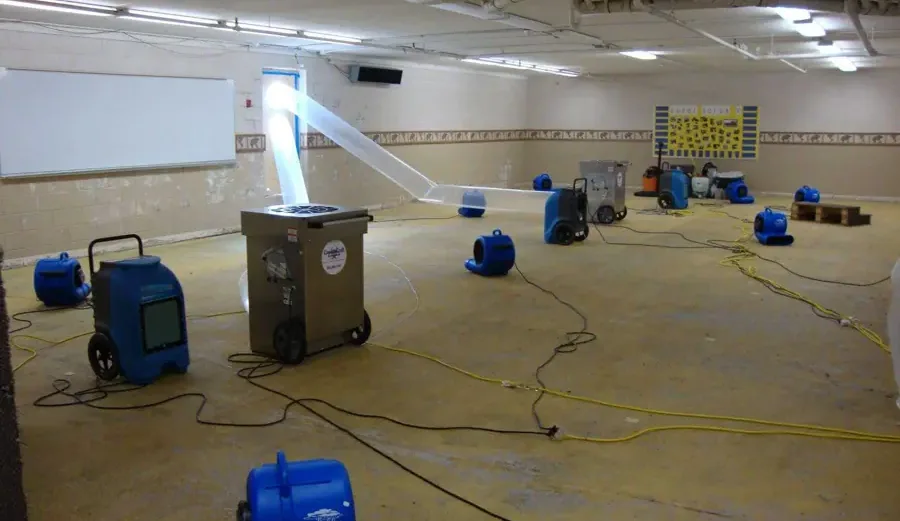
A Granite Falls business facing water on the floor needs to identify both the affected operations and the property's utility arrangement. A federal funding request describes industrial parcels using septic systems and private groundwater wells, with proposed connections to municipal systems. For an active loss, the business's current property records should direct source control while the restoration crew organizes the indoor work.
Key takeaways
- Identify the current supply and wastewater contacts from the premises records.
- Give employees a clear boundary around wet areas and equipment routes.
- Photograph stock and equipment before moving affected items.
- Separate source repair, building restoration and business reopening decisions.
- Use a room-specific handoff to coordinate the owner, tenant and repair trades.
Locate the utility information for the affected premises
The city government manages the sanitary sewage system, and its wastewater treatment plant discharges into the Pilchuck River. The industrial parcels described in the funding request add another property context: septic systems and private wells.
The business manager should locate the records for the actual premises before directing a shutdown or wastewater investigation.
The proposed utility upgrade includes municipal wastewater connections and replacement of private wells through extended water mains. An active cleanup needs the present arrangement shown in property records and service contacts.
That information helps the responsible trade identify which controls and components belong to the building being assessed.
A commercial water damage assessment can proceed with a clear division of responsibilities. The restoration team evaluates escaped water and building materials, while the appropriate utility or repair professional handles the source.
The manager should make each contact available so observations can be shared promptly when the scope changes.
- Locate the current water account or private well information.
- Identify the wastewater system and responsible service contact.
- Find the person authorized to arrange source repair.
- Provide the crew with property access details relevant to the affected area.
Divide the workplace into usable and restricted spaces
Employees need clear instructions about where they can walk and which rooms are closed. The manager and crew should agree on boundaries that reflect electrical hazards, water exposure and equipment access.
A wet storage corner, an occupied office and a public entrance may require different arrangements even within the same building.
The work route matters as much as the footprint of the puddle. Moving equipment through a doorway can affect access to stock or staff facilities.
Planning that route before extraction begins allows the business to identify operational conflicts and the crew to explain what temporary restrictions are necessary.
A business should also name someone who can make site decisions during visits. That person can answer questions about room use, movable contents and access to adjoining areas.
Clear authority helps the crew document new findings without leaving employees to decide independently whether a restricted space can reopen.
- Post or communicate the agreed boundary to staff.
- Keep employee traffic separate from the equipment route.
- Identify essential rooms whose access needs special planning.
- Assign a contact for decisions when new wet areas are found.
Document stock by location before moving it
The condition of a stockroom can change quickly once shelves are cleared. Wide photographs showing the original arrangement help connect affected goods with the water route.
Close views of lower packaging and floor contact points add useful detail before the business and crew decide how items should be handled.
The inventory should distinguish business property from building finishes. A wet carton, a display base and an affected wall panel require different assessments and may involve different responsible parties.
Consistent labels make it easier for the manager to track what was moved, where it went and what decision remains outstanding.
Equipment belonging to the business may require assessment by its own specialist. The restoration crew can document water exposure around it while the manager arranges that separate assessment.
Keeping the equipment file alongside the room record prevents building cleanup from being mistaken for clearance to operate an affected device.
- Record the shelf, room or work area associated with each affected item.
- Separate stock assessment from the building repair list.
- Keep displaced goods from blocking dry exits and work routes.
- Arrange a specialist assessment for affected powered business equipment.
Match removal and cleaning to the release
A supply leak, a wastewater backup and outside water entry call for different handling decisions. The crew needs the observed source and any residue information before assigning cleaning and material removal.
Employees should avoid moving wet items into occupied spaces until the exposure has been assessed.
Water extraction addresses accessible liquid in the work area. As stock or movable fixtures are relocated, the crew can inspect previously concealed floor edges and wall bases.
The scope should expand when those findings show water beyond the original visible area.
The manager should ask how retained surfaces will be cleaned and which absorbent materials require removal. Those decisions affect the later repair schedule and the temporary use of adjoining rooms.
A written explanation tied to specific materials supports practical planning for deliveries, storage and employee access.
Fit monitored drying around the building's daily needs
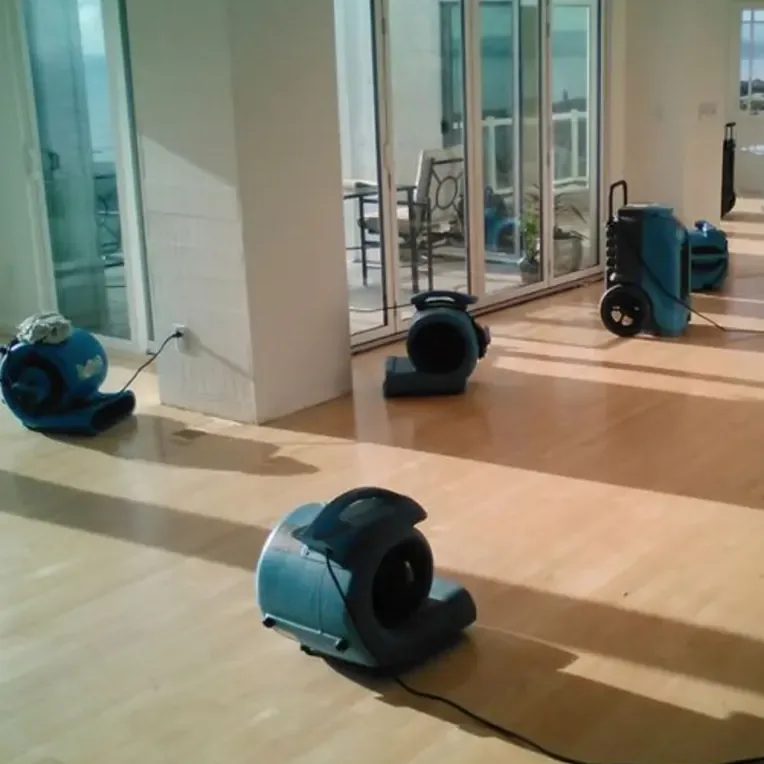
Restoration equipment and workplace operations need a coordinated layout. The crew should identify the areas where airflow and inspection access must remain available.
The manager can then plan the movement of staff and goods around those restrictions while keeping required work areas accessible for monitoring visits.
During structural drying, material checks should identify the room and surface involved. A wet partition behind shelving may respond differently from an exposed section of floor.
Reports organized by those locations help the manager understand why equipment remains in one area after another has progressed.
Changes in room use should be discussed with the crew before equipment or protective boundaries are moved. A delivery placed over an inspection point can make monitoring harder, while a relocated fixture can conceal a wet edge.
A shared daily contact keeps business adjustments connected with the restoration plan.
Prepare a handoff for occupancy and remaining repairs
Reopening decisions should draw on the condition of the affected areas and the work still required. The building owner, tenant and responsible trades may each have a role.
The restoration handoff should identify completed cleanup, retained material findings and any spaces that remain restricted or unfinished.
The manager can organize remaining work into specific locations and assignments. Wall finish replacement, floor repairs, stock disposition and equipment service should each have an identified responsible party.
This turns a broad intention to return to normal operation into a set of tasks that can be scheduled and checked.
The final property file should preserve the utility arrangement used during the loss, the source repair findings and the indoor restoration record. Future maintenance staff can then understand what was affected even if the business contact changes.
The records also help the next contractor connect a proposed repair with the actual wet area.
Questions
Should a business assume proposed utility upgrades are complete?
The manager should use current service records for the affected premises. Those documents and the responsible provider identify the supply and wastewater arrangements relevant to the present water loss.
Can staff keep working in another part of the building?
That depends on safe access, the release and the separation of the work area. The manager and crew should define usable spaces and adjust restrictions as inspection reveals more about the affected building.
Who should authorize moving business equipment?
The business should name an authorized decision maker and involve an appropriate equipment specialist where needed. The crew can coordinate access while documenting the surrounding water exposure and building condition.
Why separate stock records from wall and floor repairs?
Goods and building materials involve different decisions and responsible parties. Separate records help track the assessment of inventory while the owner or tenant coordinates repair of the premises.
What makes a useful reopening handoff?
The manager needs a location-based account of completed work, remaining restrictions and outstanding repairs. Equipment service findings and source repair records should accompany that account where those tasks affect use of the space.