Granite Falls Commercial Water Damage
A wet business needs clear decisions about access, contents, and interrupted work. Commercial restoration organizes the damaged areas into a practical cleanup scope while the source and building conditions are assessed.
(888) 509-1696Discuss the affected business areas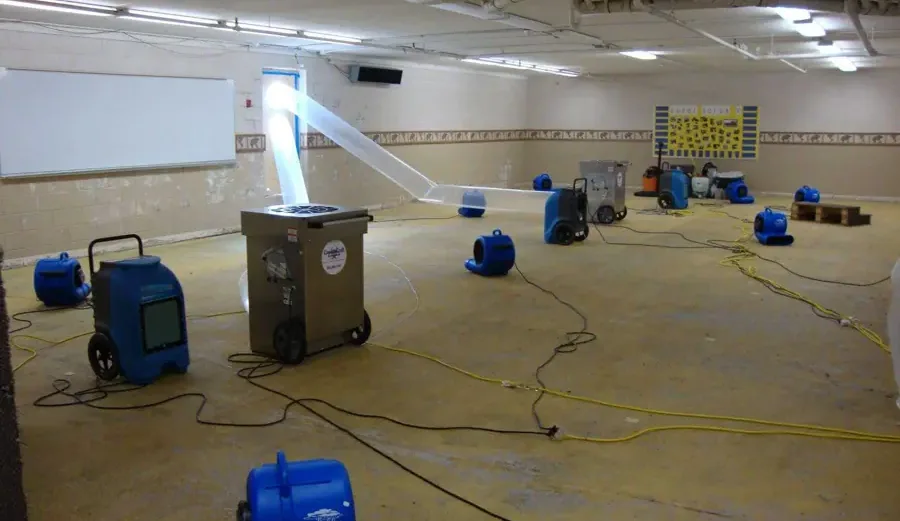
What to do now about commercial water damage
Assign an authorized contact
Identify who can arrange entry and discuss the restoration scope. Include property management or other occupants when access involves shared rooms or connected building assemblies.
Restrict affected work areas
Keep staff and customers outside unsafe wet spaces. Preserve usable exits and report water near powered equipment before any attempt to relocate business contents begins.
Document stock and equipment
Photograph affected items and record their locations when safe. This helps organize contents handling and keeps damage records connected to the rooms where water entered.
Explain operational requirements
Describe essential access, sensitive materials, and activities that cannot safely continue. The assessment can then account for practical business needs while defining the damaged area.
How the team handles commercial water damage
Coordinate the building assessment
Inspection begins with source conditions, permissions, and operational impact. Shared assemblies are included when water extends beyond the reported room or business area.
Organize contents and extraction
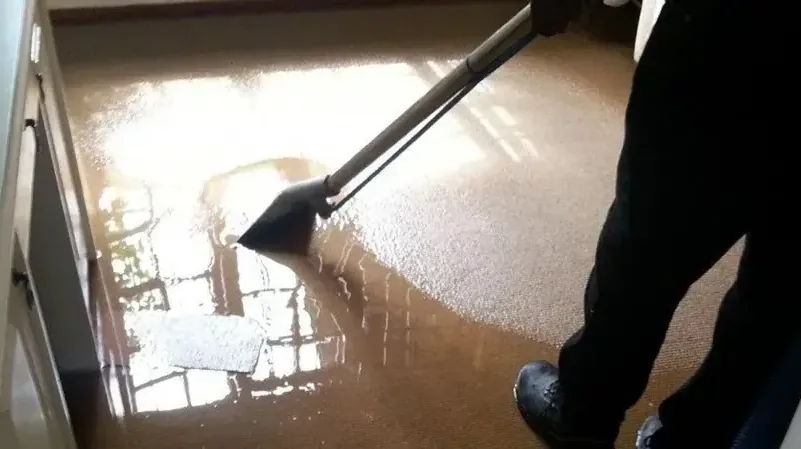
Affected business items are documented and handling priorities established. Accessible water is recovered while the work area is arranged to protect usable exits and separate damaged contents from dry storage.
Evaluate assemblies and clean
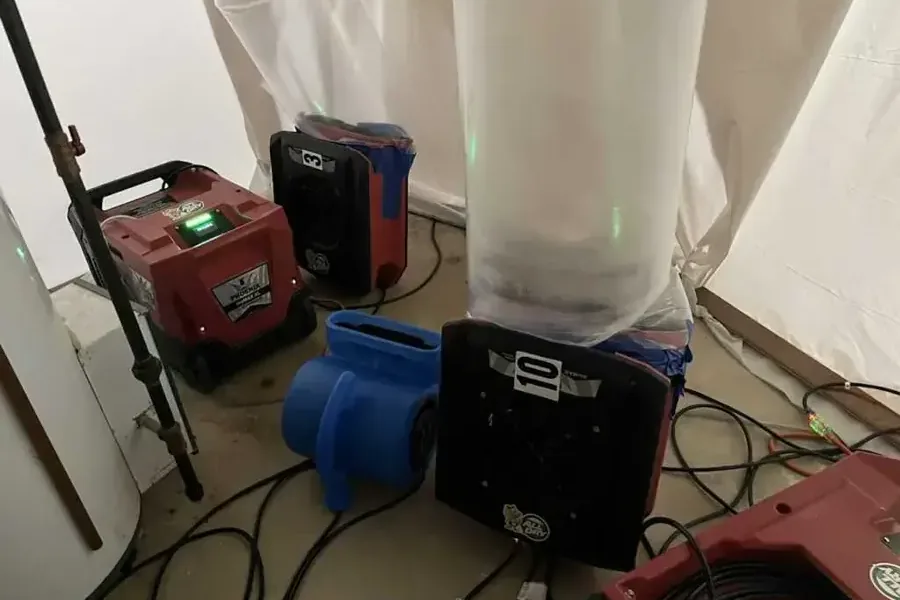
Wet finishes, floor layers, and cavities are assessed for removal or retention. Cleaning requirements reflect the water source and prepare remaining building materials for an equipment setup matched to their condition.
Record drying and remaining work
Measurements track the affected assemblies through the drying phase. The handoff identifies repair needs, continuing restrictions, and responsibilities so business decisions can account for the actual condition of the premises.
What does commercial water damage cost in Granite Falls, WA?
Commercial restoration costs in Granite Falls depend on affected business areas, contents handling, access, and concealed damage. These ranges provide cleanup planning context; utility repairs, specialized equipment work, and reconstruction should have separate descriptions where needed.
Small office or shop loss
- Contained business area
- Accessible floor recovery
- Limited contents handling
Several business areas
- Connected room damage
- Broader material assessment
- Coordinated drying access
Extensive building impact
- Complex access requirements
- Multiple affected assemblies
- Expanded cleanup coordination
Water category, square footage, material class and the delay before drying change the scope. These ranges support planning, not a quote. Compare the inputs in the water damage cost calculator before discussing the wet areas and access.
A commercial water loss can interrupt several activities at once: customer access, stock handling, staff movement, and use of shared equipment. Restoration in Granite Falls should start with the affected premises and an authorized contact who can explain those constraints. The cleanup plan then follows the actual water damage while identifying which business areas need restriction, protection, or separate assessment.
Identify the premises and its utility connections
A proposed local sewer and water upgrade describes industrial parcels using on site septic systems and private groundwater wells. It includes proposed connections to municipal systems. For a water loss at a business, available property records and facility information help establish the actual connection serving the affected space and the trade needed for source correction.
Stanley Street is the downtown segment of State Route 92, and Mountain Loop Highway is another local corridor. When arranging access, provide the usable entrance, locked areas, and any shared rooms that need another party's authorization. These details help avoid an inspection that stops at a tenant boundary while water continues beyond it.
Protect operations through a defined work area
Cleanup may involve stock, documents, furnishings, and fixed building materials. Identify sensitive contents before moving them, and establish a handling area outside the wet boundary. Water extraction can address accessible pooling while the broader assessment determines whether walls, floor layers, or neighboring suites also need attention.
- Identify the person authorized to approve access and changes to the restoration scope at the premises.
- Record affected stock and equipment before moving items into storage or another operating area.
- Keep necessary exits separate from hoses, cords, and the active cleanup work wherever safely possible.
- Check shared partitions and connected flooring when water may extend beyond the initially reported business room.
Use drying records to support reopening decisions
The Granite Falls Chamber of Commerce maintains a local events calendar. A business may have scheduled commitments to consider, but the restoration sequence still follows safe access, cleaning needs, and material condition. Communicate essential activities early so the scope can account for practical restrictions.
Structural drying records show which assemblies are being treated and how they respond. Reopening decisions should consider remaining hazards, repair work, and usable access alongside the drying progress, with responsibilities clearly assigned.
Keep staff away from wet powered equipment
Computers, machinery, and other electrical equipment exposed to water need appropriate assessment before use. Avoid moving energized devices or routing customers through the wet area. Report critical equipment and access constraints during the initial discussion so the work plan addresses them directly.
Put the wet area first
Describe the business areas affected, the safest entrance, and who can authorize access. Include sensitive contents and any shared space that water may have reached.
(888) 509-1696Assess the business damage scopeFor public safety information, review flood precautions and the EPA indoor air information.
Commercial water damage in Granite Falls
Granite Falls businesses can describe locations using Stanley Street, State Route 92, or Mountain Loop Highway. Include entrances, occupied work areas, storage restrictions, and the person authorized to coordinate building access and the proposed restoration scope.
The same service nearby: commercial water damage in Stanwood, Camano.
Water damage restoration in Granite Falls · every town covered
Related water damage services in Granite Falls
Commercial Water Damage questions
Can part of the business stay open during cleanup?
That depends on safe access, the water source, affected areas, and the work being performed. Discuss essential routes and operations during assessment. A usable dry room may be considered separately, while shared exits, electrical concerns, contamination, or repair activity can require broader restrictions on business use.
Who should coordinate a loss in a leased space?
The authorized business contact should involve property management when access or work affects shared systems and building materials. Clear responsibilities help the inspection follow water beyond a tenant's room when necessary. The restoration scope should identify who can approve entry, contents handling, and changes affecting other occupied areas.
Why ask about sewer, septic, or water connections?
The actual utility arrangement helps the appropriate trade investigate the source and establish needed correction. Local proposed upgrade documents describe industrial parcels with septic systems and private wells. Facility records should identify the affected premises' connection so the cleanup and source repair discussions address the correct building setup.
How should damaged stock be handled?
Document the items and their locations before moving them when safe. Handling depends on the contents, water contact, and available clean storage. Keep affected stock separate from dry goods until assessed, and retain an inventory that connects disposal or cleaning decisions with the original business damage.
Does extraction mean operations can immediately resume?
Extraction removes accessible water but leaves material condition, electrical exposure, cleaning, and repair needs to evaluate. Drying equipment may also affect access. Reopening decisions should consider the complete work area and remaining restrictions, using the restoration record alongside assessments from the relevant equipment or building trades.
What records help the business after restoration?
Keep the event timeline, room and contents photographs, authorized scopes, invoices, and drying records together. Identify unresolved source repairs and any remaining building work. This provides a clear account of the cleanup performed and supports later discussions with property management, repair contractors, and the business's insurer.
Connect cleanup with practical operating decisions
A documented restoration plan helps coordinate contents, access, drying, and the repairs still needed across the affected business premises.
Stanwood, WA · Water and sewage cleanup