Ceiling Leak Water Damage in Camano
A ceiling drip demands a look upward before cleanup below. The source, stored water and condition of the finish determine how the affected room can be approached.
(888) 509-1696Discuss the overhead water problem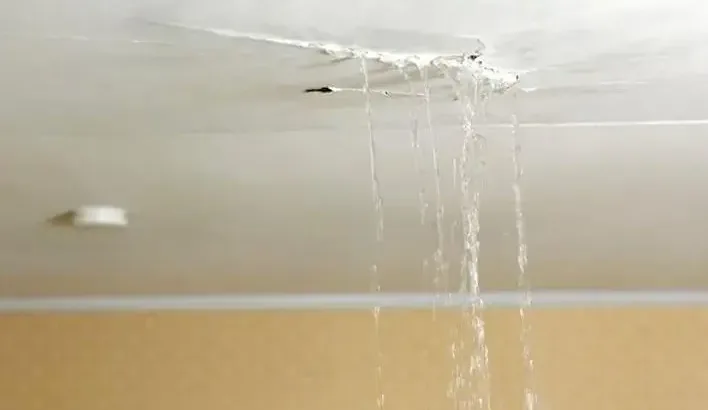
What to do now about ceiling leak water damage
Clear the overhead hazard
Keep people and pets away from the damaged ceiling and any wet fixtures. Avoid standing beneath it to move a bucket or inspect the finish more closely.
Describe the pattern
Note active dripping, discoloration, bulging or soft material as separate symptoms. Include whether the changes coincide with rainfall or use of a room above.
Control an identified source
If a known supply valve is safely accessible, isolate the relevant water source. An unknown cause needs investigation rather than repeated use of fixtures to recreate the drip.
Keep adjacent rooms accessible
Make a dry route available for inspection of nearby walls and rooms above. Safe access helps trace moisture without moving through the damaged overhead area itself.
How the team handles ceiling leak water damage
Assess the ceiling load
The initial assessment checks instability, visible water and nearby electrical components. A controlled approach is selected before any finish is disturbed or equipment enters the room.
Connect the source and stain
Inspection uses plumbing or roof findings alongside material readings. The map follows the water beyond the visible patch into connected ceiling bays and wall junctions.
Open and dry appropriate areas
Necessary material removal provides access to remaining wet layers. Equipment placement accounts for the exposed assembly and protects safe routes through any unaffected parts of the property.
Document the reconstruction boundary
Final readings and retained material condition establish what can be closed. The repair record identifies ceiling finish work separately from any outstanding source repair or electrical assessment.
What does ceiling leak water damage cost in Camano, WA?
Camano ceiling leak cleanup costs depend on the overhead area, source and concealed spread. Planning ranges should be paired with a written account of material access, drying and any reconstruction still needed afterward.
Localized ceiling damage
- Small affected patch
- Accessible cavity inspection
- Limited finish handling
Several ceiling bays
- Broader overhead moisture
- Additional insulation assessment
- Expanded drying access
Ceiling and wall spread
- Wet wall junctions
- Connected assembly treatment
- Larger repair boundary
Water category, square footage, material class and the delay before drying change the scope. These ranges support planning, not a quote. Compare the inputs in the water damage cost calculator before discussing the wet areas and access.
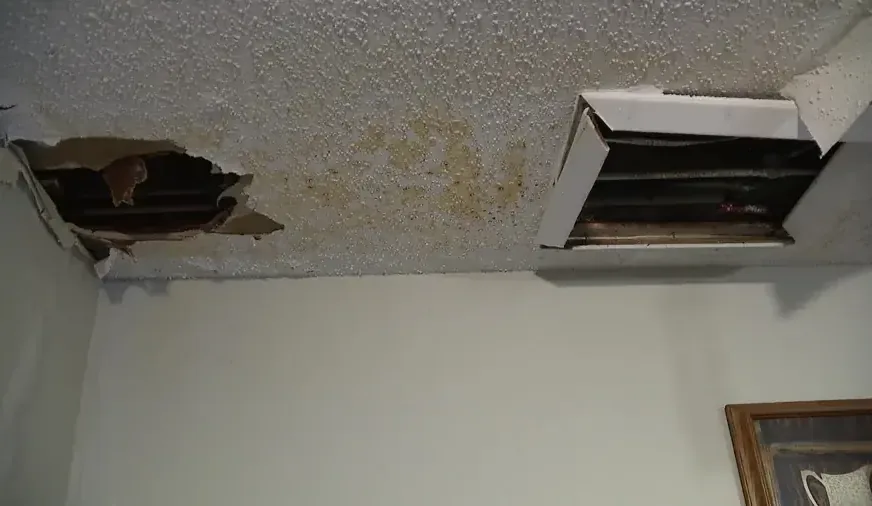
Ceiling leak water damage in Camano starts with a practical question: can anyone safely stand beneath the affected area? A soft patch can hold water above the visible finish, and a light fixture can become part of the wet route. Keep the room clear while the source and overhead condition are assessed together.
Trace the source before opening a stain
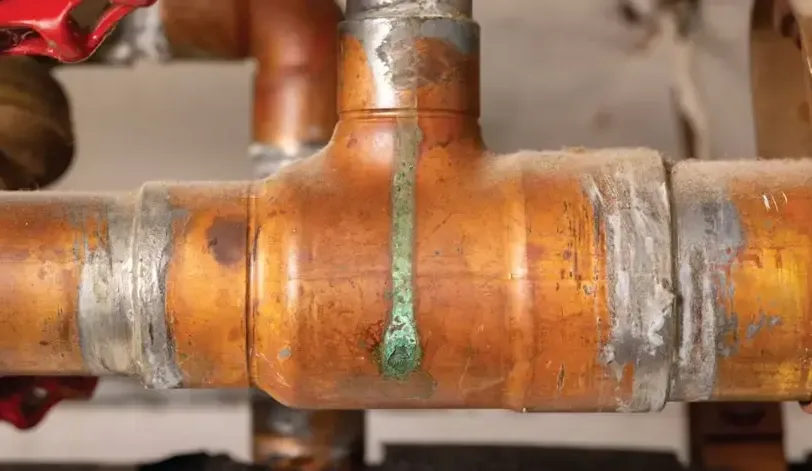
A bathroom fixture, supply pipe or roof opening can produce a similar ceiling mark. Observations about fixture use and rain help direct inspection, but the assembly itself needs checking. Opening the most visible spot without assessing stored water, wiring and stability can make an already hazardous room harder to manage.
Camano Water Association serves its members, while other island residents use private wells. Supply related leaks need the actual connection identified for isolation. Maple Grove includes seasonal cabins, where a stain may be discovered after the event. The last dry visit and photographs of any subsequent changes help organize that investigation.
Account for what sits above the finish
Ceiling layers can conceal insulation and structural connections that remain wet after dripping stops. The inspection should include adjoining wall tops and the floor assembly above when applicable. Access openings need a defined purpose, followed by safe material handling and a plan to reach the remaining moisture.
- Keep furniture out of the inspection area only when it can be moved without entering danger.
- Record whether the stain grew during fixture use, rainfall or a period with nobody present.
- Check nearby wall junctions for moisture traveling away from the center of the ceiling mark.
- Document exposed layers so reconstruction follows the assembly actually opened during the cleanup work.
Make replacement follow the drying result
Property descriptions near Scenic Avenue should explain the building entrance and access restrictions rather than only giving a landmark. Roof leak restoration addresses rain entering from above; burst pipe cleanup follows a pressurized plumbing release. Either source can leave a ceiling assembly needing its own measured drying work.
Replacement drywall should follow a controlled source and suitable condition in the remaining cavity. Drying records should identify retained framing, removed insulation and any inaccessible areas. The finishing contractor then has a clear basis for repairs instead of treating the disappearance of dripping as the end of the moisture problem.
Leave loaded ceilings undisturbed
Do not poke a bulge, cut an opening or remove a wet fixture from below. Stored water and weakened material can fall unexpectedly. Restrict access to the affected room until an appropriate assessment establishes how the ceiling can be handled safely.
Put the wet area first
A dripping or changing ceiling deserves a safe assessment before anyone works beneath it. Describe the visible condition and any known plumbing or rain connection.
(888) 509-1696Assess the ceiling symptomsFor public safety information, review flood precautions and the EPA indoor air information.
Ceiling leak water damage in Camano
Property access planning should identify a dry entrance and rooms that can remain clear beneath the leak. A seasonal cabin also needs arrangements for inspections after the initial dripping has stopped and equipment is operating.
The same service nearby: ceiling leak water damage in Stanwood, Granite Falls.
Related water damage services in Camano
Ceiling Leak Water Damage questions
Should a bulging ceiling be punctured to release water?
Occupants should leave the area undisturbed and restrict access. A bulge can hold water above weakened material, with electrical components nearby. An appropriate assessment should establish controlled handling before any opening is made, rather than asking someone to stand beneath the load and release it.
Can a stain come from plumbing even when rain occurred?
Similar stains can result from different sources, so timing alone should not settle the diagnosis. Record rain and fixture use observations, then inspect the relevant assemblies. Restoration planning should connect the actual source to the affected ceiling instead of selecting a cause from the stain's appearance.
Is the ceiling safe once it stops dripping?
Weakened finishes, wet insulation and affected electrical components need assessment even after dripping stops. Keep the room restricted until those hazards are addressed. Remaining materials also need moisture checks so normal use and finish repairs follow the actual condition of the overhead assembly.
Why inspect the wall beside the ceiling patch?
Water can move along framing and enter wall junctions beyond the visible ceiling stain. Checking adjacent materials helps determine the full wet boundary. That information supports targeted access and prevents a ceiling repair from concealing an adjoining damp area that still needs inspection or drying.
Does every ceiling leak require complete ceiling replacement?
The extent of removal depends on material condition, contamination, safe access and the moisture pattern. Some areas may remain suitable while damaged portions need replacement. The assessment should explain that boundary clearly and document the condition of retained materials before reconstruction closes the inspected cavity.
What should be recorded for an insurance discussion?
Keep safe discovery photographs, source repair findings, the affected room list and material removal records. Final moisture documentation also helps explain the work performed. Coverage decisions belong with the insurer, while the restoration record should accurately describe observed damage and the completed cleanup and drying scope.
Plan access above the visible stain
Keep the affected room clear while source tracing and overhead material decisions are arranged.
Stanwood, WA · Water and sewage cleanup