Granite Falls Ceiling Leak Water Damage
A ceiling drip is the end of a water path, not a complete diagnosis. The first assessment checks stability and traces the source before choosing an inspection opening.
(888) 509-1696Discuss an active ceiling drip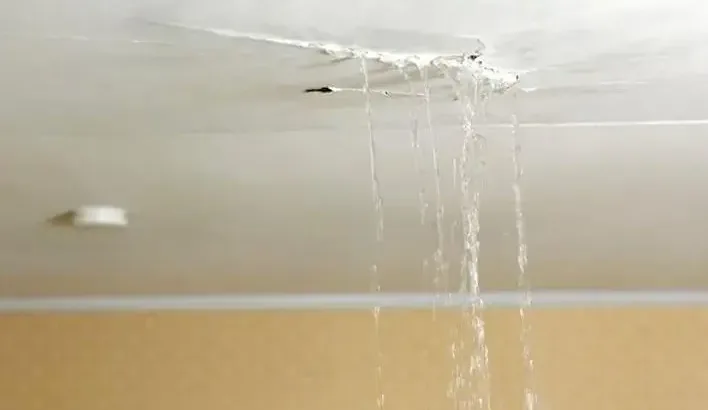
What to do now about ceiling leak water damage
Clear the danger area
Keep people out from beneath bowed or crumbling sections. Move dry belongings only when they can be reached without passing under the damaged ceiling.
Describe the upper space
Identify whether a bathroom, appliance, attic, or another room lies above the stain. This helps narrow the source investigation before the ceiling is opened.
Track the drip pattern
Note changes during rain or fixture use without deliberately recreating the leak. Timing information can help connect the ceiling symptom with an active source.
Photograph from the doorway
Record the stain, nearby wall edges, and floor damage from a safe position. Keep images of changes together for the assessment and repair discussion.
How the team handles ceiling leak water damage
Assess overhead stability
The initial inspection identifies weakened finishes, accumulated water, and electrical exposure. Entry and work areas are arranged around those conditions before removal or drying equipment is introduced.
Trace the concealed source
The room above and accessible cavities are checked against the reported drip pattern. Source correction is coordinated with inspection of the materials that carried water into the ceiling.
Establish appropriate openings
Access is selected to inspect and treat the wet assembly. Damaged material removal should support cleaning or drying while revealing adjacent areas that need their own moisture checks.
Prepare for ceiling repair
Retained materials are monitored during drying, including nearby wall junctions. The repair handoff records moisture progress and distinguishes overhead finish replacement from any remaining plumbing or roof work.
What does ceiling leak water damage cost in Granite Falls, WA?
Ceiling leak restoration costs in Granite Falls reflect overhead access, wet insulation, and spread into walls or floors. These planning ranges cover differing damage scopes; source repairs and decorative finishing need clear estimate descriptions.
Localized ceiling damage
- Small affected section
- Accessible cavity inspection
- Limited drying placement
Several ceiling bays
- Broader overhead moisture
- Additional finish removal
- Framing condition checks
Ceiling and wall spread
- Wet wall junctions
- Connected assembly drying
- Expanded repair preparation
Water category, square footage, material class and the delay before drying change the scope. These ranges support planning, not a quote. Compare the inputs in the water damage cost calculator before discussing the wet areas and access.
A dark ring on a Granite Falls ceiling may come from plumbing, an appliance, or roof entry. Its shape alone cannot identify the repair. Start with what lies above the room and when the mark changes. A source history and stability assessment help determine how to inspect the concealed space without exposing occupants to falling wet material.
Read the ceiling together with the room above
Dripping linked to fixture use suggests a different inspection route from staining that grows during rain. Water can also collect on a surface overhead and emerge later. Record those patterns, along with any softened paint, widening seam, or wall stain beneath the ceiling edge, before the visible evidence changes.
The Granite Falls Library belongs to Sno-Isle Libraries, and Stanley Street forms the downtown segment of State Route 92. Those references can help identify the property location. Inside the building, clear information about the upper room and access route helps establish where the source inspection should begin.
Choose access around stability and trapped water
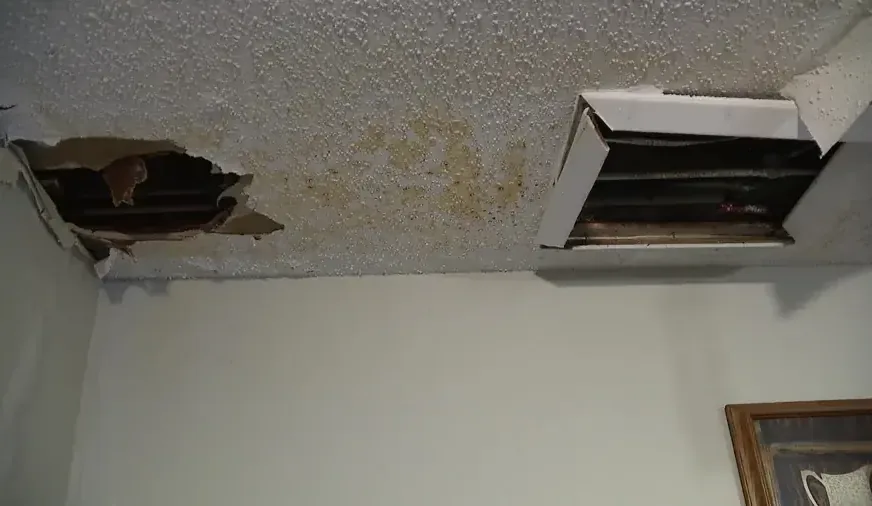
A ceiling may hold water above a bowed finish. Controlled removal or an inspection opening needs to account for that weight and any concealed electrical components. The scope should identify why a section must be opened and which neighboring materials need inspection once the cavity is accessible.
- Check the wall junction where ceiling moisture can drain down behind the vertical finish.
- Inspect insulation and framing above the stain before deciding which materials can remain in place.
- Evaluate light fixtures and other electrical exposure before equipment is operated in the affected room.
- Record damage to flooring and contents below the drip as a separate part of the loss.
Restore both the overhead assembly and the room
Frank Mason Park surrounds Lake Gardner. A property near the park may describe that landmark when arranging access, while the inspection follows the actual building conditions. If roof entry is identified, roof leak cleanup can address wet attic materials alongside the damaged ceiling.
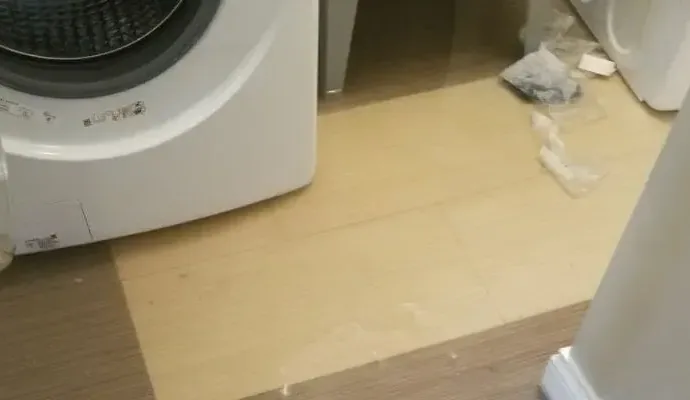
Once the source is corrected, structural drying can target retained overhead materials and adjacent walls. A patch should follow measured drying progress and assessment of the remaining finish. The floor below may also need extraction or drying if repeated dripping spread beyond the original catch area.
Do not puncture a bulging ceiling
Poking a wet ceiling can release water and debris unexpectedly. Keep occupants and belongings away from the area below when safe to do so. Sagging finishes, active dripping through a fixture, or unusual ceiling movement require an assessment before anyone attempts removal or cleanup beneath them.
Put the wet area first
Describe the ceiling's shape, the room above, and whether water passes near a fixture. These details help establish a safe starting point for assessment.
(888) 509-1696Review the overhead damageFor public safety information, review flood precautions and the EPA indoor air information.
Ceiling leak water damage in Granite Falls
For ceiling damage in Granite Falls, location references include Stanley Street, Granite Falls Library, and Frank Mason Park. Describe the room above the stain, accessible shutoffs, and any ceiling section that appears bowed or softened.
The same service nearby: ceiling leak water damage in Stanwood, Camano.
Water damage restoration in Granite Falls · every town covered
Related water damage services in Granite Falls
Ceiling Leak Water Damage questions
Does a brown ceiling ring identify a roof leak?
A stain can come from several sources, including plumbing and appliances above the room. Its color does not settle that question. The inspection compares timing, upper room use, and accessible materials to locate the water route before choosing source repair and interior cleanup work.
Is it safe to make a drain hole?
A bulging ceiling can release water and damaged material without warning when disturbed. Do not puncture it as a household cleanup step. Keep the area below clear and arrange an assessment that considers stability, concealed wiring, and the amount of water held above the finish.
Why inspect the wall beside the ceiling?
Water can travel along the ceiling perimeter and descend behind the wall surface. A ceiling patch alone may miss that path. Moisture checks at the junction and below it help establish whether the wall belongs in the drying scope even when visible staining remains overhead.
Can a ceiling stay if it dries flat?
The decision depends on material strength, water exposure, and damage, as well as remaining moisture. A finish that returns to a flatter appearance may still need evaluation. The scope should explain which sections can remain and which require replacement because their condition changed during the leak.
What if the room above appears dry?
Water may be concealed beneath flooring or inside a wall before reaching the lower ceiling. A dry upper surface therefore leaves additional areas to inspect. Source tracing should follow plumbing, appliance connections, or roof routes as appropriate to the actual layout and reported timing of the leak.
When should the ceiling be painted again?
Painting belongs after source correction, removal of unsuitable material, and drying assessment of the retained assembly. A new coating can hide a stain without addressing wet insulation or framing above it. Repair readiness should be discussed using the condition of those materials and the completed work record.
Resolve the path above the stain
Source tracing and measured drying prepare the ceiling and adjoining surfaces for a repair that addresses the affected assembly.
Stanwood, WA · Water and sewage cleanup