Granite Falls Appliance Leak Water Damage
The puddle beside an appliance may be smaller than the wet area beneath it. Cleanup examines connections, nearby cabinets, and concealed flooring before the machine returns to regular use.
(888) 509-1696Assess the appliance water spread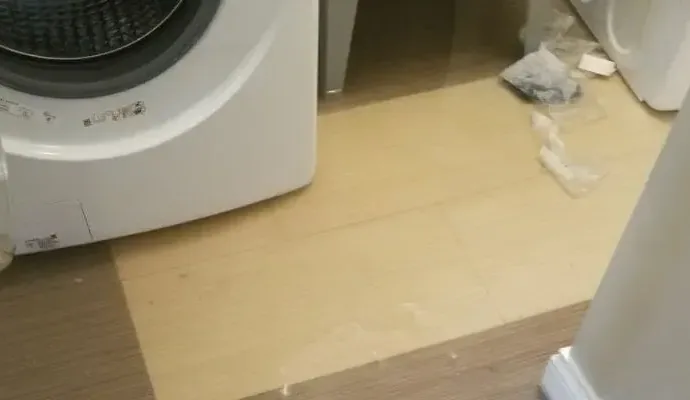
What to do now about appliance leak water damage
Stop using the machine
Avoid another cycle to test the leak. Report the operating stage when water appeared so the equipment assessment can begin with the observed failure pattern.
Keep wet connections untouched
Do not handle a plug or reach behind an appliance from a wet floor. Safe isolation should precede moving the machine or opening concealed connections.
Check visible neighboring damage
From dry ground, note cabinet swelling, floor movement, or a stain below the room. These observations help identify areas that need separate moisture checks.
Preserve the equipment history
Keep repair notes and photographs of the spill together. Mention previous leakage or a recently disturbed connection when describing the event and the affected room.
How the team handles appliance leak water damage
Identify water and equipment stage
Assessment connects the operating cycle with the source. Cleaning accounts for used water and residue as well as the materials contacted during the spill.
Expose the affected boundaries
Safe equipment access allows inspection beneath the machine and along nearby cabinets. Moisture checks establish whether the damage extends under flooring or into the wall behind fixed fittings.
Recover and clean the area
Accessible water is removed and damaged porous layers are assessed. The cleaning scope reflects the actual exposure before retained surfaces are prepared for the drying equipment setup.
Assess concealed drying progress
Measurements focus on the recesses and layers that were hidden at first. The repair handoff identifies remaining cabinet, floor, or ceiling work after the equipment fault is corrected.
What does appliance leak water damage cost in Granite Falls, WA?
Appliance leak cleanup costs in Granite Falls reflect cabinet access, water condition, and concealed floor damage. These restoration ranges need separate descriptions for appliance repair, plumbing work, and later replacement of damaged finishes.
Small accessible spill
- Open floor cleanup
- Machine area inspection
- Limited drying footprint
Cabinet-edge spread
- Toe kick access
- Wet panel assessment
- Hidden flooring checks
Concealed or upper-floor loss
- Lower ceiling inspection
- Trapped layer drying
- Expanded material removal
Water category, square footage, material class and the delay before drying change the scope. These ranges support planning, not a quote. Compare the inputs in the water damage cost calculator before discussing the wet areas and access.
A washer that leaks during filling presents a different starting point from water escaping during discharge. Appliance water damage cleanup in Granite Falls begins with that distinction, then follows the spill beneath and beside the machine. Recording when the water appeared helps connect equipment repair with the cleaning and drying required by the surrounding room.
Inspect where a mop cannot reach
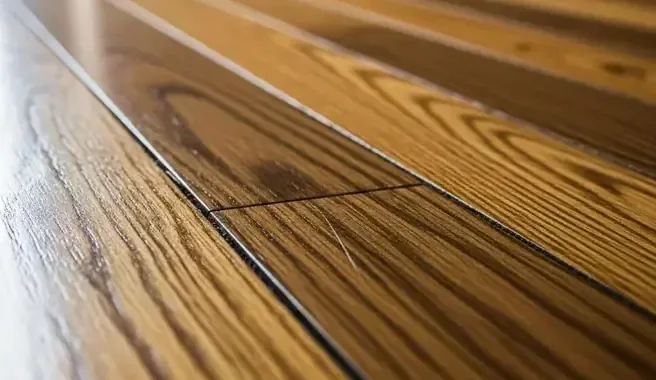
Water can disappear beneath a cabinet toe kick or flooring edge while leaving only a small puddle in view. An inspection should assess these recesses before deciding the spill is contained. Swollen cabinet panels, separated flooring joints, and damp wall bases help identify where access or further measurements are needed.
State Route 92 connects the city with State Route 9 in Lake Stevens, and Stanley Street is its downtown segment. For an affected property, entry details should include the appliance room and the path through the building. Tight kitchen or laundry access can influence how equipment is moved for inspection.
Distinguish the connection from the damaged materials
The appliance technician or plumbing trade addresses the failing component. Restoration assesses the water already released, including its contact with detergent, residue, or other materials. A flooring damage evaluation can establish whether moisture reached layers below the visible finish.
- Note whether the leak occurred during filling, washing, draining, or while the machine was idle.
- Check cabinet sides and toe kick recesses where water can remain after the open floor dries.
- Inspect the room below an upper floor appliance when water may have crossed the subfloor.
- Document changes in floor joints or cabinet panels before equipment is moved for repair access.
Dry the room before sealing its edges
Mountain Way Elementary School is a local public school and a useful location reference. Inside the property, the assessment follows the actual appliance layout, floor layers, and surrounding cabinetry. Drying access may require temporary removal of trim or other affected finishes around fixed fittings.
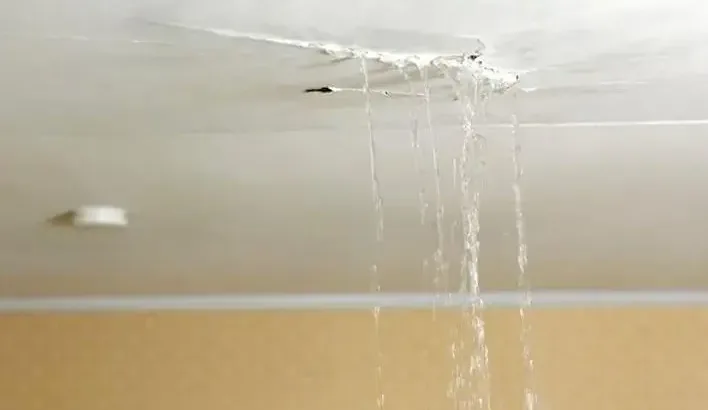
Ceiling leak restoration may be needed below an upstairs spill. In the equipment room, retained materials require moisture checks before cabinet panels or floor edges are closed again. Repairing a hose alone leaves those building decisions unfinished.
Do not pull energized equipment through water
A heavy appliance can conceal electrical connections and damaged supply fittings. Avoid moving it through a wet area or handling a plug while standing in water. Keep the machine out of use and arrange safe isolation before repair access and cleanup begin.
Put the wet area first
Describe the appliance, the cycle when leakage began, and any water beneath nearby cabinets. Include a lower ceiling stain if the machine sits above another room.
(888) 509-1696Assess the appliance spillFor public safety information, review flood precautions and the EPA indoor air information.
Appliance leak water damage in Granite Falls
Granite Falls appliance damage assessment can use State Route 92, Stanley Street, and Mountain Way Elementary School for location references. Describe the machine, its floor level, and any cabinet or ceiling damage beyond the visible puddle.
The same service nearby: appliance leak water damage in Stanwood, Camano.
Water damage restoration in Granite Falls · every town covered
Related water damage services in Granite Falls
Appliance Leak Water Damage questions
Why does the appliance cycle matter?
Water released during filling can differ from water escaping after contact with wash contents and detergent. The timing helps identify the source and informs the cleanup assessment. Describe the actual event rather than running another cycle, which could release more water into already affected materials.
Can a dry kitchen floor hide wet cabinets?
Yes. Water may remain beneath toe kicks or inside absorbent cabinet edges after the open floor has been wiped. Inspection should include those recesses and adjacent flooring layers. Swelling or separation provides useful clues, while moisture measurements help define what still needs access or drying.
Should the appliance be pulled out immediately?
Moving a heavy machine can disturb electrical, supply, or drain connections. Safe isolation and access assessment come first, particularly when water surrounds the equipment. Once movement is appropriate, the newly exposed floor and wall can be checked for damage that was hidden from the doorway.
What if the leak happened on an upper floor?
The subfloor and ceiling below may need inspection even when most water remained near the appliance. Report any lower room stain, drip, or softened finish. Following the vertical route helps establish whether the restoration scope needs to include separate drying areas on more than one level.
Is replacing a hose enough to finish the job?
A replacement hose can correct the equipment source, but it does not remove moisture already inside cabinets, underlayment, or walls. Those materials need assessment based on their condition and exposure. The final scope should separate the source repair from cleanup and the later repair of damaged finishes.
Can cabinet panels remain during drying?
Some panels may remain if their condition and drying access allow it. Others can swell, separate, or obstruct wet areas behind them. The assessment should explain retention or removal decisions for each affected part and check the underlying wall or floor before the cabinet is closed again.
Recover the hidden edges around the machine
Equipment repair should connect with cleaning and drying of the cabinets, flooring, and other materials reached by the escaping water.
Stanwood, WA · Water and sewage cleanup