Granite Falls Hardwood Floor Water Damage
Raised board edges signal a change inside the floor assembly. Assessment needs to examine the wood and the layers below before choosing drying, refinishing, or selective replacement of damaged flooring.
(888) 509-1696Assess changes in the wood floor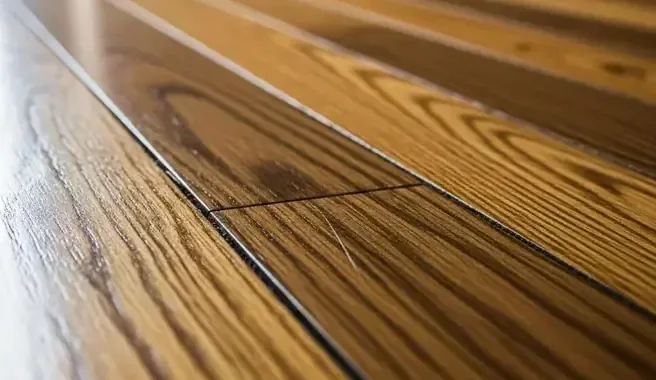
What to do now about hardwood floor water damage
Mark the visible changes
Photograph raised edges, gaps, and lifted sections from a safe position. Include adjacent floor areas so later changes can be compared with the initial condition.
Keep the surface accessible
Remove light dry belongings when safe, leaving damaged boards undisturbed. Large furniture may need planned handling to prevent additional pressure or damage to unstable sections.
Describe the water route
Explain whether the spill crossed the surface or appeared from below. Mention the source, duration as observed, and any related wall or ceiling damage.
Pause cosmetic floor work
Avoid sanding or coating while moisture conditions are unresolved. The restoration and flooring assessment should establish the condition of the assembly before permanent surface work begins.
How the team handles hardwood floor water damage
Identify materials and construction
Assessment records the wood flooring and supporting layers that can be inspected. Installation details and water contact help determine where measurements and possible drying access should be concentrated.
Map moisture and movement
Readings are compared across affected and suitable reference areas. Visible cupping, lifting, and joint changes are documented so the response of the floor can be evaluated during drying.
Evaluate retention and access
The condition of boards and concealed layers informs removal decisions. Where materials can remain, the drying setup must reach the moisture rather than treating only the exposed finish.
Coordinate the flooring handoff
Later measurements and material condition support repair planning. The record identifies retained layers, areas needing replacement, and unresolved concerns to discuss before sanding or installing the finished floor.
What does hardwood floor water damage cost in Granite Falls, WA?
Hardwood floor water damage costs in Granite Falls depend on the assembly, affected area, and access beneath boards. These cleanup ranges support planning; refinishing, replacement materials, and installation should be clearly separated when estimated.
Localized wet boards
- Limited floor movement
- Focused moisture mapping
- Accessible drying area
Broader floor assembly
- Connected room flooring
- Substrate moisture assessment
- Expanded drying setup
Trapped or damaged layers
- Selective board removal
- Difficult underlying access
- Complex material evaluation
Water category, square footage, material class and the delay before drying change the scope. These ranges support planning, not a quote. Compare the inputs in the water damage cost calculator before discussing the wet areas and access.
A hardwood floor can change shape after the visible spill has disappeared. Cupped edges, tight joints, or lifting boards call for an assessment of both the wood and the supporting layers. In Granite Falls, the December 2023 flood report described water entering a home through floorboards. Entry from below makes inspection beneath the visible surface especially relevant.
Identify the floor before choosing a treatment
The inspection establishes the installed material, attachment method, and accessible substrate. Different assemblies hold moisture in different places. A finish can slow surface evaporation while water remains below, and an underlayment may separate the boards from the wettest layer. Measurements should therefore follow the construction present in the affected room.
Frank Mason Park surrounds Lake Gardner. For a property near the park, the useful flooring details are the rooms involved and whether water entered from above or below. These observations help determine where to inspect transitions, wall edges, and any accessible underside of the floor.
Compare movement with moisture progress
Boards that look damaged at the first visit need evaluation through the drying process. Some movement can change as moisture conditions stabilize, while separated or contaminated layers may require removal. Structural drying should be coordinated with flooring assessment so repair choices reflect the assembly's condition.
- Record lifted edges and gaps before moving furniture or removing trim around the affected floor.
- Check adjoining rooms where the same flooring continues beneath a doorway or another transition.
- Inspect accessible substrate layers rather than relying only on readings taken at the finished surface.
- Keep sanding and replacement decisions separate from the initial extraction and moisture control work.
Plan repairs after the wet layers are understood
Stanley Street and Mountain Loop Highway offer location references for arranging the visit. Inside the building, equipment access and the source of water determine the drying approach. If outdoor water entered, the flood cleanup scope also needs to address contacted materials and cleaning before floor repair.
The handoff should explain which boards remain, which layers were opened, and what readings support the proposed next step. A smooth appearance alone cannot settle the condition of a concealed substrate.
Keep traffic off lifted boards
Buckled or separated flooring can create unstable footing and sharp edges. Avoid forcing boards down or adding heat to change their shape. Restrict the affected area and let the assessment establish the floor's condition before furniture, sanding equipment, or replacement materials are brought in.
Put the wet area first
Describe the raised boards, the source of water, and whether the same flooring continues into another room. Include any accessible space beneath the affected area.
(888) 509-1696Assess the wet wood assemblyFor public safety information, review flood precautions and the EPA indoor air information.
Hardwood floor water damage in Granite Falls
Granite Falls flooring assessment can use Frank Mason Park, Stanley Street, and Mountain Loop Highway as local references. Describe the floor covering, visible movement, and any water entry from beneath the occupied room during the event.
The same service nearby: hardwood floor water damage in Stanwood, Camano.
Water damage restoration in Granite Falls · every town covered
Related water damage services in Granite Falls
Hardwood Floor Water Damage questions
Will cupped boards flatten during drying?
Some movement can change as the floor's moisture conditions stabilize, but the outcome depends on the material and damage. Assessment should track readings and board condition together. The final choice between retention, refinishing, and replacement depends on measured moisture progress and the condition of boards and supporting layers.
Why test the subfloor as well as the boards?
The substrate can remain wet after the top surface begins to dry. Moisture differences between layers influence the floor's behavior and repair readiness. Checking accessible underlying materials helps identify trapped water and establishes whether the proposed drying method reaches the complete affected assembly rather than only its finish.
Should sanding begin once the puddle is removed?
Sanding should wait until the floor has been evaluated and moisture conditions are suitable for repair decisions. Removing material from boards that are still changing shape can complicate later work. Coordinate cleanup and flooring assessment so the surface treatment follows the condition of the wood and supporting layers.
Does flooding change whether a floor can stay?
Outdoor water exposure adds cleaning and contamination considerations to the moisture assessment. The material's construction and contact with floodwater affect retention decisions. The cleanup scope should explain those factors and identify any layers that need removal before the remaining structure can be cleaned, dried, and prepared for flooring.
Can flooring in the next room also be wet?
Water can travel beneath continuous flooring or pass through a doorway into another assembly. A nearby room may therefore need measurements even without obvious cupping. Checking transitions and perimeter areas helps establish the full wet boundary and prevents a repair scope that stops at the first visible damage.
What information helps the flooring repair discussion?
Keep photographs of movement, the water source description, moisture records, and details of any opened layers. These show what changed during cleanup. A flooring contractor can then discuss the proposed finish work with a clearer understanding of the retained assembly and the areas that were removed or dried.
Make the repair decision from the floor's condition
Measured drying and material assessment provide the basis for choosing the next flooring step after water damage.
Stanwood, WA · Water and sewage cleanup