Granite Falls Sewage Backup Cleanup
A sewage release changes how the affected room must be handled. Isolate the area, stop fixture use, and arrange source assessment before contaminated water or belongings are moved.
(888) 509-1696Discuss wastewater inside the property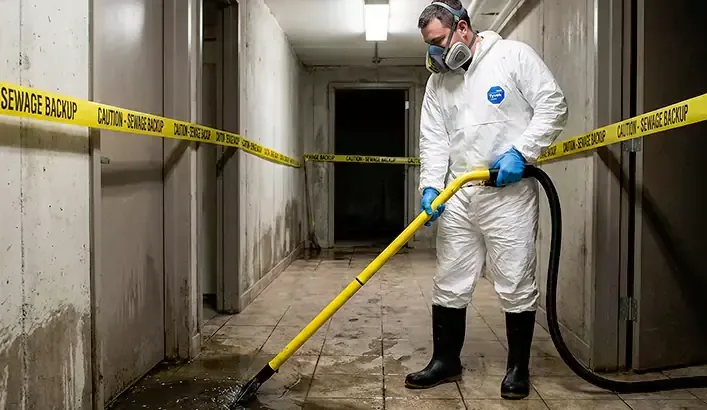
What to do now about sewage backup cleanup
Separate people from exposure
Close off access where possible without crossing the affected area. Keep pets and occupants away from wastewater and belongings that contacted the overflow indoors.
Stop affected fixture use
Avoid flushing or running connected fixtures while the drainage problem is being assessed. Report whether more than one fixture or room has shown backup symptoms.
Document from dry surroundings
Photograph the overflow boundary and damaged items from outside the work area. Do not move contaminated contents through usable rooms just to collect information.
Describe the property connection
Share available sewer or septic information and any recent drain work. The source assessment needs the actual building arrangement alongside the interior cleanup details.
How the team handles sewage backup cleanup
Define exposure and access
Inspection maps the wastewater boundary and safe entry. Source investigation is coordinated with handling plans for affected contents, surfaces, and concealed layers within the work area.
Remove affected water and materials
Recovery and selective removal address the wastewater and unsuitable porous finishes. The scope records which materials leave the building and which retained surfaces need further cleaning before drying.
Clean the exposed assembly
Accessible retained materials receive appropriate cleaning based on the exposure. Additional inspection checks whether wastewater reached behind wall bases or beneath flooring beyond the original visible overflow area.
Dry and prepare for repairs
After cleaning, moisture checks inform drying of retained building materials. The final record connects those results with replacement needs and any unresolved drainage work required at the property.
What does sewage backup cleanup cost in Granite Falls, WA?
Sewage cleanup costs in Granite Falls depend on contaminated surfaces, porous material removal, and hidden spread. These planning ranges concern interior restoration; drain repair, septic work, and replacement finishes should be distinguished in the written scope.
Contained wastewater loss
- Limited exposure area
- Accessible surface cleaning
- Focused material assessment
Several contaminated surfaces
- Broader porous removal
- Additional contents handling
- Expanded cleaning access
Broad or hidden contamination
- Concealed assembly exposure
- Complex material handling
- Larger drying footprint
Water category, square footage, material class and the delay before drying change the scope. These ranges support planning, not a quote. Compare the inputs in the water damage cost calculator before discussing the wet areas and access.
The City of Granite Falls manages the sanitary sewage system, and its wastewater treatment plant discharges into the Pilchuck River. A separate proposed utility project describes industrial parcels with on site septic systems. For a backup inside a building, the first source discussion should identify the affected premises and its actual drainage connection before the cleanup sequence is established.
Keep wastewater within a controlled work area
A drain overflow can reach wall bases, carpet backing, and stored contents beyond the first visible pool. Keep people and pets outside the affected rooms. Avoid carrying items into usable spaces until their handling is assessed, since contaminated residue can travel on belongings, footwear, and equipment during an improvised cleanup.
Stanley Street forms the downtown segment of State Route 92. At a property there, describe which fixtures backed up and whether water appears elsewhere when plumbing is used. That information helps the appropriate trade investigate the source while restoration assessment follows the materials already contacted.
Assess porous layers before applying airflow
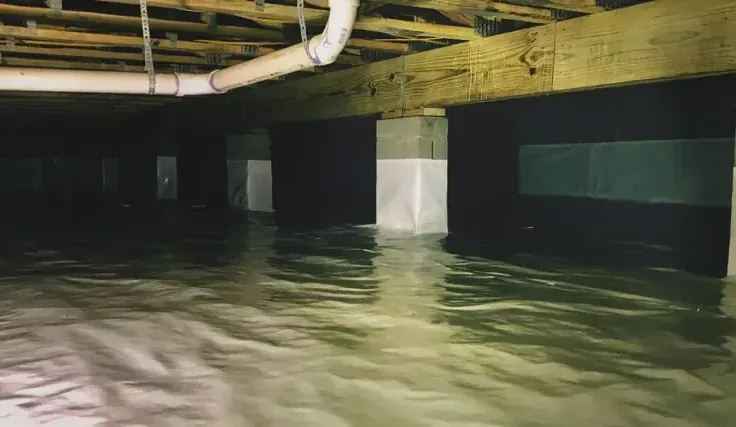
Drying alone does not clean wastewater exposure. Some porous finishes may need removal so underlying surfaces can be reached and treated appropriately. Crawl space cleanup may also be required when the release extends beneath a raised floor, with access and material handling planned for that space.
- Stop use of affected fixtures to avoid adding water while the drainage problem is assessed.
- Keep contaminated rugs and contents separate from items that remained outside the overflow boundary.
- Inspect lower wall and floor layers that absorbed wastewater beneath an apparently clean surface.
- Record disposal and cleaning decisions so the later repair scope identifies the materials removed.
Separate source correction from interior recovery
Frank Mason Park surrounds Lake Gardner and provides another location reference for arranging access. The cleanup plan itself follows the drain condition and affected assembly at the property. A restored drain can prevent further release while leaving substantial cleaning and material work inside the building.
Structural drying begins after appropriate removal and cleaning prepare retained materials. The completion discussion should cover those tasks, moisture assessment, and any replacement finishes needed before the room returns to use.
Do not use household fans on wastewater
Air movement across an uncleaned sewage release can spread contaminated droplets or residue. Keep equipment and cleaning attempts outside the area until the exposure is assessed. Avoid direct contact and report any water near electrical fixtures before entry or recovery work begins.
Put the wet area first
Describe the fixtures involved, the overflow boundary, and any known sewer or septic connection. Keep occupants outside the affected space while access and source conditions are assessed.
(888) 509-1696Assess the wastewater cleanup scopeFor public safety information, review flood precautions and the EPA indoor air information.
Sewage backup cleanup in Granite Falls
Sewage cleanup assessment in Granite Falls starts with the affected fixtures and actual property connections. Stanley Street, Mountain Loop Highway, and Frank Mason Park help identify location; report wastewater beneath floors or beyond the original room.
The same service nearby: sewage backup cleanup in Stanwood, Camano.
Water damage restoration in Granite Falls · every town covered
Related water damage services in Granite Falls
Sewage Backup Cleanup questions
Is a sewage backup handled like a supply leak?
No. Wastewater exposure requires a cleaning and material handling scope that accounts for contamination. Drying equipment alone cannot address that condition. The assessment should identify contacted surfaces, porous materials requiring removal, and how retained areas will be cleaned before moisture removal and later repairs proceed.
Should toilets or sinks still be used?
Stop using affected fixtures while the source is assessed, because additional discharge may worsen the overflow. Report which fixtures show symptoms and whether water appears elsewhere during use. The appropriate drainage trade can then investigate the connection while the restoration scope addresses damage already present indoors.
Can carpet remain after a sewage release?
Carpet, padding, and other porous layers need assessment based on wastewater contact and their ability to be effectively cleaned. Removal may be necessary to reach the floor beneath. The scope should explain those decisions and account for any residue or moisture left in the underlying assembly.
Does city sewer information identify every property's connection?
The source assessment should use the actual premises' service information. Local utility descriptions include municipal sewage management and industrial parcels with septic systems in a proposed upgrade. Share available property records and repair history so the drainage investigation starts with the connection serving the affected building.
What if the backup reached under the house?
A release beneath a raised floor requires its own access and contamination assessment. Avoid entering the space to inspect it. Report visible water, odors, and any wet insulation from a safe position so the cleanup plan can include underfloor materials and the occupied assembly above them.
When can the room return to normal use?
Use depends on source correction, removal of unsuitable materials, cleaning, drying assessment, and any required repairs. The completion discussion should explain those phases and remaining restrictions. A restored drain or an empty floor by itself does not describe the condition of all surfaces contacted by wastewater.
Restore the room after contaminated water enters
Source correction, material handling, cleaning, and drying each address a different part of the damage left by the backup.
Stanwood, WA · Water and sewage cleanup