Commercial Water Damage in Camano
A wet business needs decisions about people and operations alongside the damaged materials. Cleanup should define affected zones, protect dry inventory and keep access restrictions clear throughout the work.
(888) 509-1696Discuss the affected business areas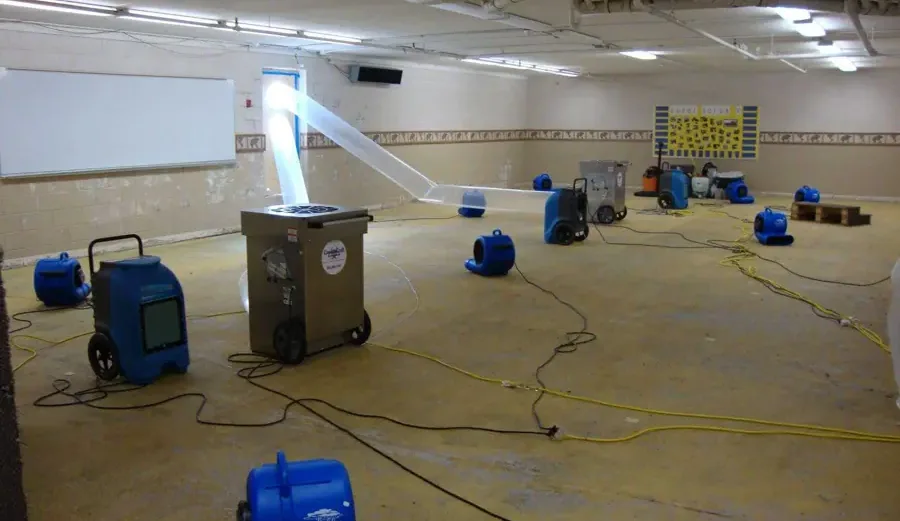
What to do now about commercial water damage
Name the building decision maker
Provide a contact who can arrange access and coordinate repairs. Clear responsibility helps prevent conflicting instructions about equipment, locked rooms or areas still occupied during assessment.
Separate people from wet zones
Keep staff and visitors away from water and affected electrical equipment. Identify a dry route only when it avoids unstable materials and does not cross the cleanup boundary.
Document goods and finishes separately
Photograph affected inventory and building damage as distinct records. Keep dry stock out of the removal route and avoid mixing contacted items with unaffected storage.
Describe operating constraints
Explain sensitive rooms, required security and the times access can be arranged. The equipment plan needs those details before work routes and progress visits are finalized.
How the team handles commercial water damage
Assess the building by zone
Inspection identifies the source, wet materials and circulation conflicts. The owner receives a boundary between affected spaces and areas needing further safety or moisture assessment before use.
Coordinate removal and inventory protection
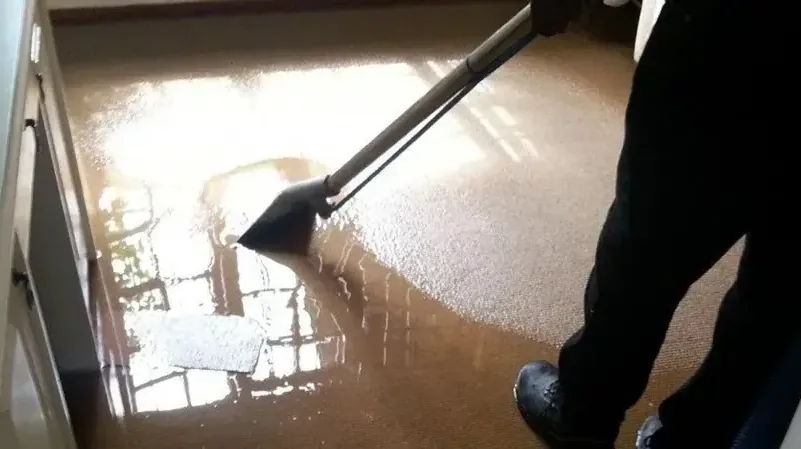
Accessible water is collected with routes planned around clean storage and occupied areas. Damaged materials and affected goods are handled under distinct scopes so the building work remains understandable.
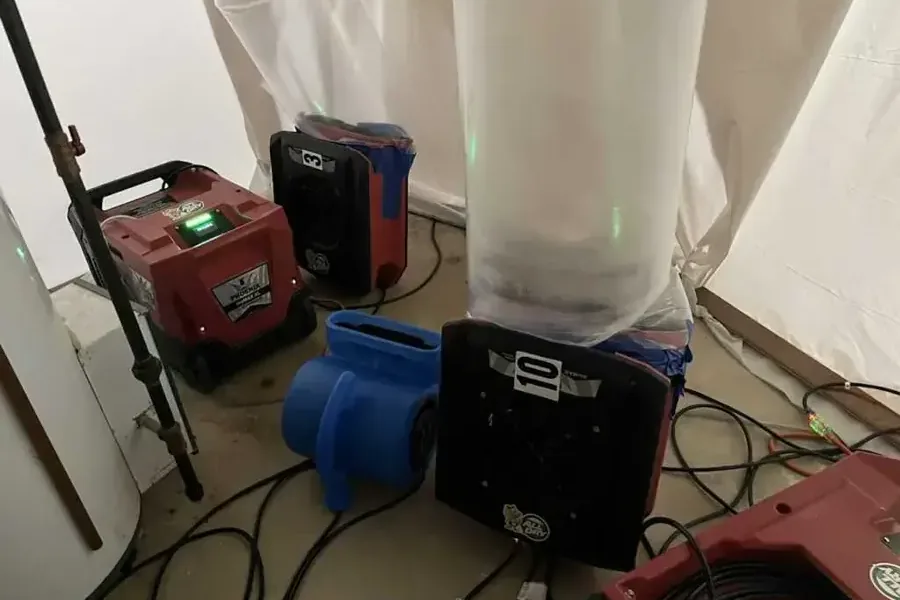
Dry retained commercial assemblies
Equipment follows material conditions while preserving access controls. Repeat measurements identify zones needing further adjustment before any room is ready for finish repairs.
Prepare a phased handoff record
The closing documentation describes completed drying, remaining repairs and access restrictions by area. The business contact can then coordinate reconstruction and operational decisions with a clear account of the building condition.
What does commercial water damage cost in Camano, WA?
Camano commercial restoration costs depend on affected zones, materials and access constraints. These ranges describe building cleanup and drying; inventory treatment, source repair and reconstruction should be identified as separate or included items in the written scope.
Small office or shop loss
- Limited affected zone
- Accessible floor collection
- Focused material drying
Several business areas
- Connected occupied spaces
- Additional access coordination
- Broader equipment layout
Extensive building impact
- Multiple wet assemblies
- Complex removal routes
- Detailed reopening documentation
Water category, square footage, material class and the delay before drying change the scope. These ranges support planning, not a quote. Compare the inputs in the water damage cost calculator before discussing the wet areas and access.
Commercial water damage restoration in Camano must account for how people use the building, not just how much floor is wet. A storage area, public entrance and occupied workspace have different access needs. The initial plan should show the affected boundary, safe movement routes and the person responsible for operational decisions while restoration proceeds.
Start with people, inventory and a building contact
Camano Center hosts community activity, and Cama Beach and Camano Island State Park are familiar local destinations. Businesses serving an island community need clear information when building access changes. A restoration plan should give the owner concrete room status and work restrictions that can support practical communication with staff and visitors.
Identify the contact who can authorize access, coordinate source repairs and explain sensitive storage areas. Dry inventory should be protected from wet traffic and material removal. Affected stock needs its own condition record, while the building inspection follows moisture through partitions, floor transitions and any connected service spaces.
Organize work around the actual affected zones
Removal equipment, cords and temporary separation can alter circulation. A usable dry room may still be difficult to reach if its route crosses the work area. Assess those connections before assuming that operations can continue around the cleanup. Electrical safety and the water category affect which areas can remain available.
- Map affected rooms and identify access routes that avoid water and unstable building materials.
- Record inventory contact separately from damage to flooring, walls and fixed building components.
- Arrange secure equipment access and a responsible contact for progress checks outside normal occupancy.
- Keep delivery and disposal routes coordinated so clean storage does not become part of the work path.
Use documented condition to plan the return
Water extraction restores access to collected water areas when conditions permit. Structural drying then addresses retained moisture in the building assembly. The work record should identify each zone's remaining tasks, rather than treating the whole property as equally ready because the open floor has been cleared.
Private wells and water associations serve island residents, so source coordination should use the actual building connection. If a business has a shared supply or affected wastewater system, explain that arrangement early. Source repair, inventory handling and reconstruction should remain visible alongside drying in the operating plan.
Do not route visitors through restoration hazards
Temporary access needs a safe path that avoids wet electrical areas, unstable finishes and equipment obstacles. Keep affected zones restricted until their conditions have been assessed. Business activity should follow those access decisions rather than forcing a route through the cleanup area.
Put the wet area first
A business loss needs an organized picture of rooms, people and inventory. Describe the affected zones and access restrictions so removal and drying can be coordinated with building use.
(888) 509-1696Assess the affected business zonesFor public safety information, review flood precautions and the EPA indoor air information.
Commercial water damage in Camano
Provide a building contact, current occupancy and access restrictions when arranging a commercial assessment. Explain shared entrances, stored goods and any areas that must remain secure while removal equipment and later drying checks are coordinated.
The same service nearby: commercial water damage in Stanwood, Granite Falls.
Related water damage services in Camano
Commercial Water Damage questions
Can a business stay open during water damage work?
That depends on safe circulation, water contact and the materials affected. A dry room may still have an unsafe route through the work area. The assessment should identify access restrictions by zone so operational decisions follow actual conditions rather than the expectation that activity can continue everywhere.
Who should coordinate access with the restoration work?
A named building contact should arrange entry, explain security requirements and coordinate source repair decisions. That person can also confirm occupied areas and inventory constraints. Clear responsibility helps keep equipment placement and progress visits consistent when different staff members use the property throughout the restoration period.
Are damaged goods part of the building cleanup estimate?
The written scope should state that clearly. Inventory assessment and handling can be separate from removal and drying of fixed building materials. Keep photographs and item records distinct from wall or floor damage so the business owner and insurer can understand which work and goods each record describes.
Can drying equipment be moved during business hours?
Moving equipment can change the intended drying conditions and create access hazards. Discuss circulation or noise concerns before changing the arrangement. The plan can then be adjusted around actual operating needs while retaining appropriate airflow, moisture removal and safe access to the affected assembly.
What if the water came through a shared building supply?
Identify the actual connection and responsible parties before supply isolation or testing. Shared arrangements may require coordination with another user. The restoration scope still needs its own wet material map and access plan, with source repair findings kept available for assessing whether new water has stopped entering.
How is a room considered ready for return to use?
Readiness depends on completed cleanup, appropriate material condition and any remaining safety or reconstruction needs. Final documentation should identify those conditions for each affected zone. Concealed layers, electrical components and damaged finishes need their own assessment before the space returns to normal activity.
Plan restoration around safe building access
Keep the responsible contact and source repair information available while each area receives its own condition assessment.
Stanwood, WA · Water and sewage cleanup