Water Extraction in Camano
Pooled water blocks access and keeps feeding absorbent materials. Extraction starts with the source and a safe removal route, then follows moisture into adjoining floor edges.
(888) 509-1696Discuss pooled water removal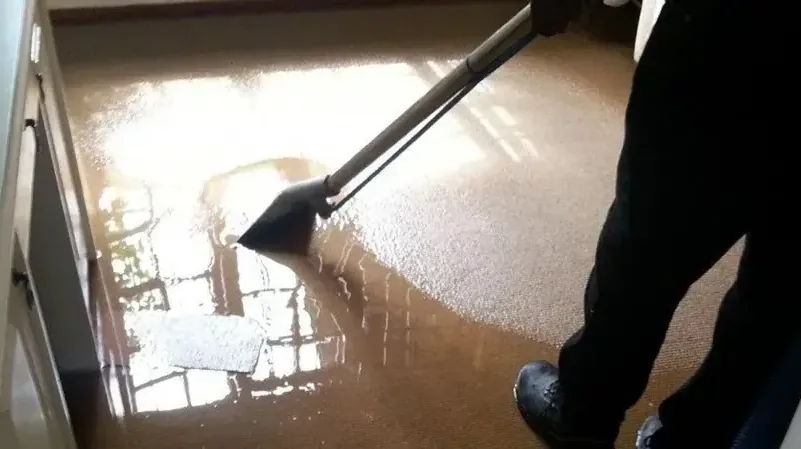
What to do now about water extraction
Describe the accumulation
Note whether the water is still rising, where it entered and which rooms are affected. Observations from a dry doorway are useful.
Protect the route indoors
Keep children, pets and unnecessary foot traffic away from wet floors. A clear dry approach helps prevent water from being tracked into clean areas.
Identify supply controls
Provide the location of a known shutoff and the actual water supplier. Shared connections should be explained before any valve affecting another user is closed.
Preserve an initial record
Capture photographs of the pool and soaked contents when safe. Keep the discovery time with the last known dry condition for the inspection.
How the team handles water extraction
Assess the source and surface
The removal plan distinguishes supply water from outside entry and checks floor stability. Access, depth and electrical conditions determine how equipment reaches the affected area.
Collect the accessible water
Extraction proceeds across the wet area using equipment suited to the surface. Edges and low spots receive attention instead of stopping when the central floor looks clear.
Inspect remaining moisture
Material checks extend to carpet backing, wall bottoms and nearby rooms. The resulting wet map identifies inaccessible areas and surfaces needing a separate drying treatment.
Hand over a drying scope
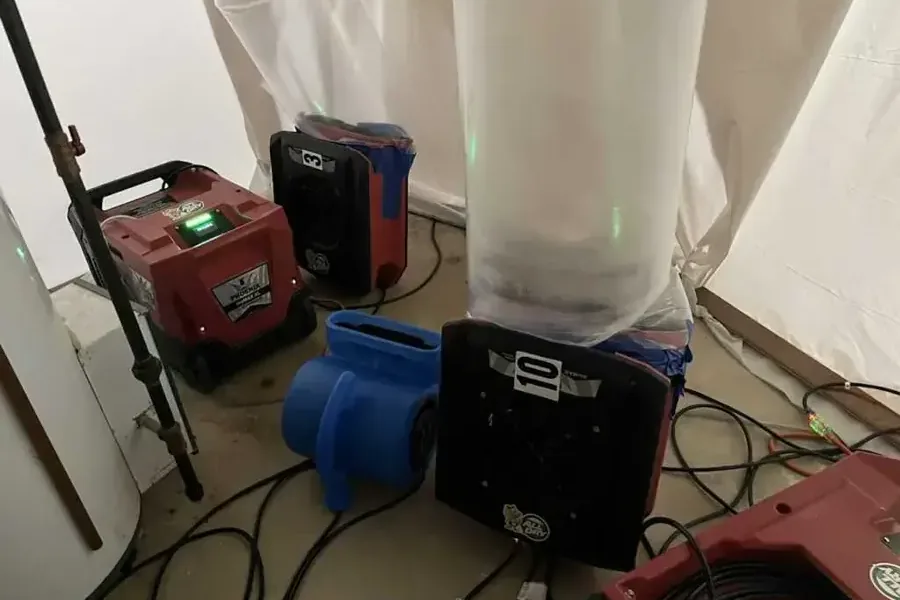
The owner receives a clear account of water removed and moisture remaining. Equipment placement and followup access are planned around the assembly that still needs attention.
What does water extraction cost in Camano, WA?
Camano water extraction pricing depends on depth, affected flooring and access. Planning ranges below cover different removal scopes; contaminated water, concealed moisture and subsequent drying should be identified separately in the written estimate.
Small contained pool
- Accessible floor water
- Limited collection area
- Straightforward equipment access
Wet carpet and rooms
- Several floor surfaces
- Carpet edge attention
- Additional wet boundaries
Broad or deep water
- Larger water volume
- More demanding access
- Extended collection work
Water category, square footage, material class and the delay before drying change the scope. These ranges support planning, not a quote. Compare the inputs in the water damage cost calculator before discussing the wet areas and access.
Water extraction in Camano begins by separating an indoor release from water arriving across the ground. The recurring coastal flooding location where Maple Grove Road meets Scenic Avenue makes that distinction especially useful. A broken supply fitting and shoreline water require different handling even when both leave a similar pool on a finished floor.
Choose removal around the water that is present
Equipment selection follows the depth, access route and condition of the room. Pumping removes deeper accumulations; surface extraction collects water across floors and from suitable soft materials. Loose debris needs attention before it blocks equipment. The discharge arrangement should keep removed water from returning to the building or crossing a clean access path.
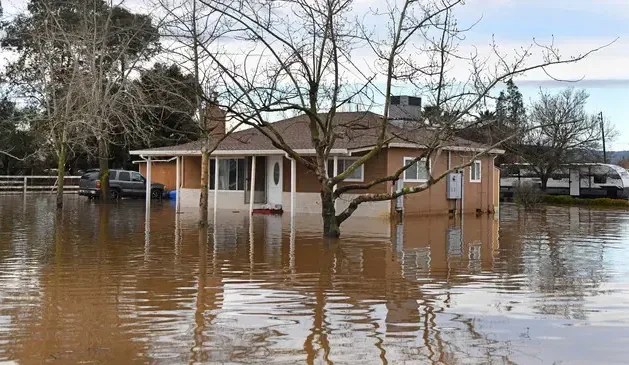
Private wells and water associations serve island residents. Identify the actual supply and close an accessible isolation valve when appropriate. If the release remains active, repeated collection alone will not establish a stable drying area. Outside entry belongs with a flood cleanup assessment that includes sediment and contacted materials.
Follow water beyond the middle of the room
A clear walking surface does not show the condition beneath a floor covering. Water collects at low points, enters seams and wicks into absorbent edges. Inspection should connect visible pooling to adjoining spaces, especially where thresholds hide a change in floor height or a cabinet blocks the view.
- Check carpet edges and backing before deciding which layers can remain in place.
- Inspect door transitions for water that has crossed into a neighboring dry looking room.
- Look beneath accessible furniture without dragging wet legs across unaffected finished surfaces.
- Map damp wall bottoms and concealed floor boundaries before extraction equipment leaves the room.
Finish removal with a drying decision
Maple Grove has both primary residences and seasonal cabins. At an unoccupied property, the last dry visit helps frame the inspection, but material condition determines the work. Access arrangements also matter because followup readings require entry after the visible water is gone. The owner should know which surfaces remain wet and what equipment will address them.
Remaining moisture belongs in a structural drying plan. The handoff should identify extracted rooms, inaccessible cavities and any materials removed. That record keeps a clean looking floor from being mistaken for a finished restoration and gives repair work a meaningful starting point.
Keep electrical access dry
A wet doorway can make the route to a switch or appliance unsafe. Occupants should avoid entering water to unplug equipment or reach a panel. Electrical isolation needs a safe approach before powered extraction equipment is brought into the affected space.
Put the wet area first
A pool across the floor needs a source check and a safe collection route. Describe its depth, the affected surfaces and any active inflow before the visit.
(888) 509-1696Discuss the pooled floorFor public safety information, review flood precautions and the EPA indoor air information.
Water extraction in Camano
Across the community, access and water supply arrangements vary. A property near Maple Grove may need a seasonal entry contact, while another visit requires coordination with the owner of a shared well.
The same service nearby: water extraction in Stanwood, Granite Falls.
Related water damage services in Camano
Water Extraction questions
Does extraction remove moisture beneath a floor covering?
Extraction removes accessible liquid, but a floor covering can conceal water in backing, underlayment or seams. Those layers need inspection after collection. Some materials need lifting or removal to reach trapped moisture, followed by drying equipment and readings appropriate to the remaining floor assembly.
Can a household vacuum collect the water?
A household vacuum may be unsuitable for liquids and unsafe around wet electrical conditions. The source and contamination also matter. Occupants should keep equipment out of the wet area until the safety assessment establishes an appropriate collection method and a safe power arrangement for the work.
What if the water keeps returning after removal?
Returning water points to an unresolved source or an incoming route that remains open. Supply isolation, drainage assessment or outside water conditions may need attention. Record where the water reappears so further extraction is coordinated with correcting the cause instead of repeatedly emptying the same spot.
Can wet carpet stay in place during extraction?
That depends on the water source, time wet and condition of the carpet and backing. Inspection determines whether extraction and drying are appropriate or whether layers require removal. A carpet that looks cleaner after collection can still conceal moisture or contamination beneath its visible surface.
What information helps at a seasonal cabin?
The last occupied date, last dry inspection and entry arrangements help organize the visit. Note whether the water supply remained on and which appliances were connected. The cleanup scope then follows observed damage, with access planned for subsequent moisture checks instead of relying only on a discovery photograph.
Is water removal the final stage of restoration?
It is an early stage. Once accessible water is collected, remaining materials must be evaluated for cleaning, removal or drying. Final repair readiness depends on the source being controlled and the assembly meeting suitable moisture targets, rather than the absence of puddles across the floor.
Make the next step a removal plan
Keep the discovery details available so extraction and remaining material drying can be scoped together.
Stanwood, WA · Water and sewage cleanup