Structural Drying in Camano
A room can look dry while its wall bases and floor layers remain wet. Structural drying uses material readings to connect equipment operation with actual progress inside the building.
(888) 509-1696Discuss the remaining wet materials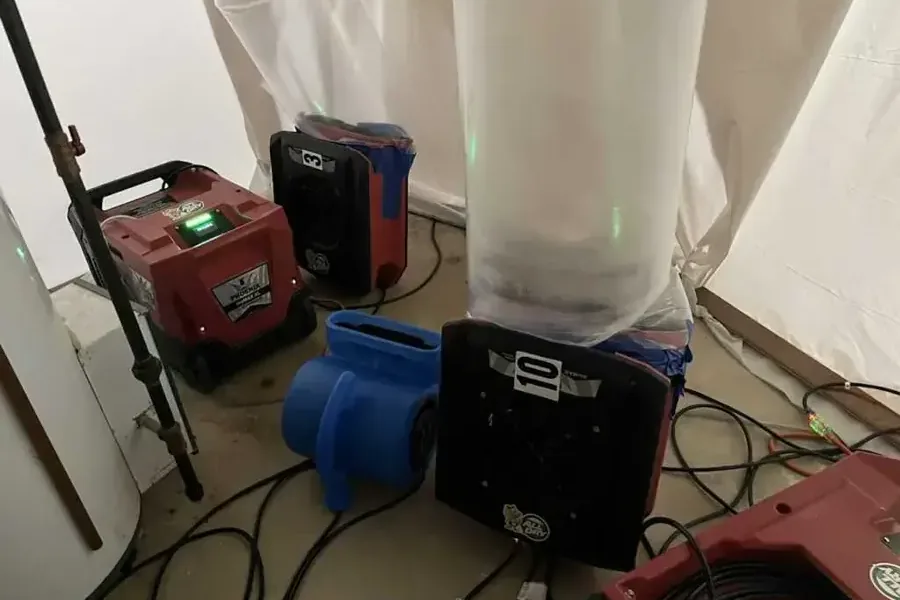
What to do now about structural drying
Confirm that new water stopped
Identify the completed source repair or the person handling it. Drying needs a stable wet boundary rather than equipment compensating for another ongoing release inside the building.
Explain occupancy and access
State which rooms must remain in use and who can provide entry. Seasonal properties need reliable access for readings and equipment adjustments throughout the drying period.
Keep the material record
Retain extraction notes, removal photographs and any known flooring details. These help explain which layers remain and where concealed moisture may still need access.
Leave equipment decisions coordinated
Report noise, movement or power concerns before unplugging machines. The arrangement should be adjusted with the drying plan in mind so safe access and moisture removal continue together.
How the team handles structural drying
Establish initial material conditions
Readings map retained wet materials and suitable comparison areas. Inspection identifies inaccessible layers so the initial record explains known moisture and access needed for further assessment.
Set an effective drying environment
Equipment placement follows material needs, available power and safe movement. The arrangement provides airflow and moisture removal appropriate to the accessible assembly.
Assess progress at comparable points
Followup measurements show whether materials respond as expected. Persistent wet areas trigger investigation of hidden layers, blocked airflow or renewed entry before equipment settings and placement are revised.
Document the stopping decision
Final checks establish appropriate material condition for the next repair stage. The closing record identifies remaining physical damage separately from drying work that has reached its measured endpoint.
What does structural drying cost in Camano, WA?
Camano structural drying costs depend on retained materials, access and equipment needs. Planning ranges should be supported by the wet map and progress records, with removal work and reconstruction described separately in the scope.
Small drying zone
- Localized wet assembly
- Accessible reading points
- Focused equipment placement
Several wet assemblies
- Connected material types
- Broader drying arrangement
- Additional progress checks
Dense or trapped moisture
- Restricted evaporation paths
- Detailed access decisions
- Equipment adjustment needs
Water category, square footage, material class and the delay before drying change the scope. These ranges support planning, not a quote. Compare the inputs in the water damage cost calculator before discussing the wet areas and access.
Structural drying in Camano is the work between an emptied room and a repairable building. Removing puddles does not remove all moisture from wood, drywall or layered flooring. The drying plan needs to name the affected materials, establish practical access and set a measured basis for deciding when the remaining assembly is ready for reconstruction.
Build the plan around retained materials
Maple Grove has primary residences and seasonal cabins. An occupied home needs safe movement around equipment, while a cabin needs secure entry arrangements for progress visits. Both require the same attention to the actual wet assembly. The last dry inspection helps explain the history, but current readings establish where drying work is needed.
Equipment cannot correct an active source. Private wells and water associations serve island residents, and the responsible supply arrangement should be identified when plumbing work remains. If outside entry or a damaged appliance continues to add water, that source task must be coordinated with the proposed drying area.
Use access and measurements together
Air movement across a finished wall is different from reaching wet insulation behind it. Dense floor layers and enclosed cavities can require another approach. Inspect the assembly, record suitable comparison areas and explain why any opening or material removal is necessary. The setup should have a purpose for each retained wet layer.
- Record readings at identifiable locations so later checks compare the same material and area.
- Keep airflow paths and equipment discharge clear of stored belongings or temporary obstructions.
- Plan safe power arrangements without routing cords through wet areas or occupied escape paths.
- Document changes to equipment placement when persistent moisture reveals an access or source problem.
Let progress determine the next decision
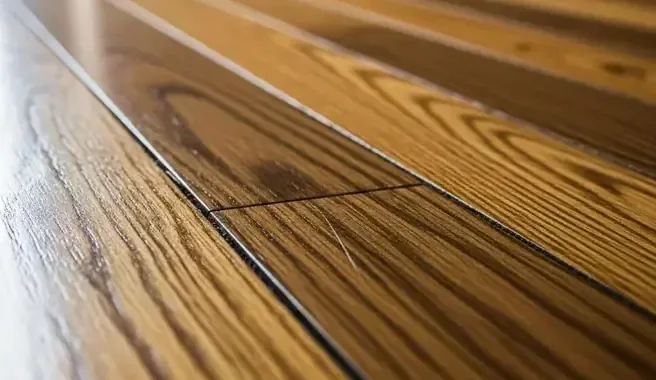
For properties described near Maple Grove Road or Scenic Avenue, provide actual room access and occupancy details. Water extraction should address accessible liquid before equipment is expected to manage retained moisture. Hardwood floor assessment adds product specific decisions when a layered wood assembly is involved.
A drying record should show what changed, what remains inaccessible and what repair work is still required. An arbitrary equipment removal date is less useful than a documented condition in the affected materials. When progress stalls, investigate the cause rather than leaving the same setup running without explanation.
Keep the drying arrangement intact
Moving equipment, disconnecting power or blocking airflow can interrupt the plan. Occupants should discuss noise, access or electrical concerns before changing the setup. A practical adjustment can then preserve safe use of the property while maintaining the intended drying conditions.
Put the wet area first
Moisture remaining behind a finish needs a clear drying target. Describe the affected materials, completed source work and access arrangements when discussing the equipment and followup inspection plan.
(888) 509-1696Assess the remaining moisture mapFor public safety information, review flood precautions and the EPA indoor air information.
Structural drying in Camano
Primary residences and seasonal cabins both need dependable access during drying. Arrange entry for progress measurements, identify occupied rooms and explain any restrictions affecting safe equipment placement or power use before the setup is finalized.
The same service nearby: structural drying in Stanwood, Granite Falls.
Structural Drying questions
How is drying different from removing standing water?
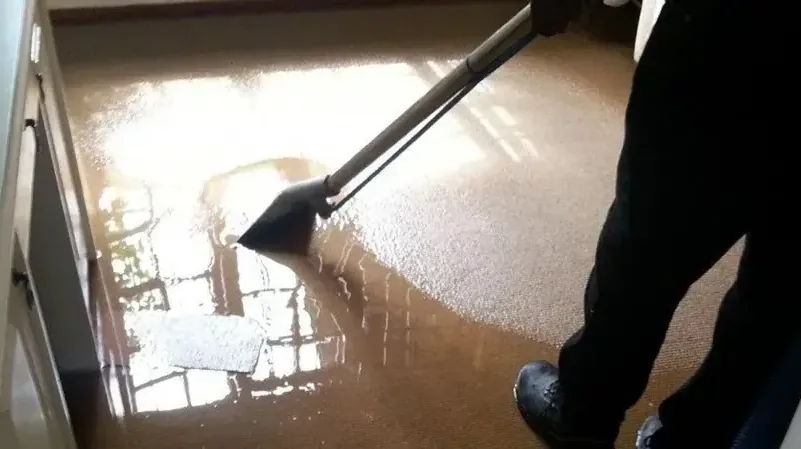
Extraction collects accessible liquid, while structural drying addresses moisture held within retained building materials. The remaining walls, floors or framing need assessment and an effective path for evaporation. Equipment operation is then checked against material readings rather than treating a puddle free room as a completed restoration.
Does comfortable indoor air mean the materials are dry?
Room comfort describes the air a person experiences, not moisture hidden in a wall cavity or layered floor. Material readings and inspection are needed to evaluate those locations. The final decision should address the retained assembly and suitable repair conditions, including areas that remain inaccessible to ordinary observation.
Can windows stay open while equipment is operating?
The drying arrangement is selected for particular conditions, and changing ventilation can affect it. Discuss window use and comfort concerns with the person managing the setup. An appropriate adjustment can account for outside conditions and occupied rooms while preserving the intended moisture removal process inside the work area.
Why might an apparently small area need an opening?
A finish can restrict access to wet insulation, framing or a dense underlying layer. A targeted opening may allow inspection and effective drying that room airflow cannot provide. The scope should explain its purpose and identify the retained materials requiring attention before unnecessary disturbance is made to nearby surfaces.
What happens when readings stop improving?
Persistent moisture calls for investigation of the affected layer, source status and equipment arrangement. A concealed wet pocket or blocked drying path may need additional access. Progress records help direct that decision instead of assuming that leaving the same equipment in place will resolve every remaining problem.
What should a seasonal property owner arrange?
Provide a responsible entry contact, reliable power arrangements and permission details for accessing affected rooms. Progress visits need to occur while the cabin is otherwise unoccupied. Keep the drying record and any source repair findings together so reconstruction follows a documented condition rather than an assumed completion date.
Make repair readiness a measured decision
Keep openings accessible and equipment concerns coordinated while the retained structure reaches an appropriate condition for reconstruction.
Stanwood, WA · Water and sewage cleanup