Crawl Space Water Removal in Camano
Pooling under a building needs an entry explanation before a pump is selected. Safe access, electrical conditions and continuing inflow determine how removal and subsequent drying can proceed.
(888) 509-1696Discuss water beneath the building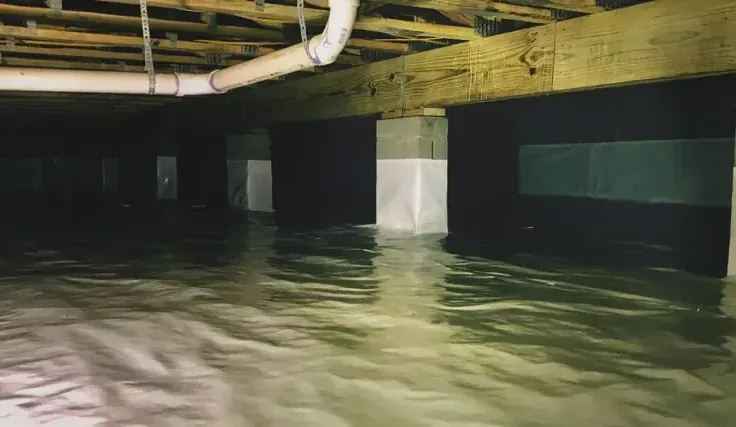
What to do now about crawl space water removal
Keep the opening secure
Prevent children, pets and unneeded visitors from approaching the underfloor entrance. Do not crawl through standing water to inspect equipment or locate the deepest part of the pool.
Observe the surrounding ground
From safety, note outside pooling and blocked drainage. The relationship between exterior water and the underfloor space helps establish whether removal would be followed by immediate refilling.
Describe connected symptoms
Mention fixture backups, a suspected pipe release or new wet flooring indoors. Those observations can help separate wastewater, supply water and outside entry during the initial assessment.
Plan unobstructed access
Provide a dry approach and explain any locked access point. Equipment routing and later material readings need practical entry throughout the removal and drying work.
How the team handles crawl space water removal
Establish an entry plan
The assessment checks restricted access, electrical conditions and the water source. Removal begins with an appropriate approach and a clear arrangement for equipment and discharge routing.
Collect the accumulated water
Pumping or extraction is selected around the accessible depth and debris. The water level is monitored for returning inflow that would require further source coordination.
Evaluate wet underfloor materials
Insulation and framing are inspected after collection allows useful access. Damaged or contaminated layers receive specific handling decisions before retained materials are prepared for drying.
Verify the floor assembly condition
Drying progress is checked beneath the floor, not just in occupied rooms above. Final notes identify remaining repairs and any unresolved entry route requiring separate correction.
What does crawl space water removal cost in Camano, WA?
Camano crawl space cleanup costs depend on entry difficulty, water contact and the affected underfloor materials. These planning ranges should be accompanied by a clear description of removal, insulation handling, drying and separate drainage repairs.
Accessible pooling
- Reachable standing water
- Clear equipment route
- Limited debris handling
Wet insulation and framing
- Affected underfloor layers
- Material removal decisions
- Framing moisture checks
Difficult contaminated loss
- Restricted work access
- Contaminated material handling
- Complex drying arrangement
Water category, square footage, material class and the delay before drying change the scope. These ranges support planning, not a quote. Compare the inputs in the water damage cost calculator before discussing the wet areas and access.
Crawl space water removal in Camano starts outside the opening. A low entrance, standing ground water or affected electrical equipment can prevent safe access even when the pool beneath the floor looks shallow. The assessment needs to establish how water arrived and whether it is still entering before equipment is placed under the building.
Trace the entry rather than chasing the pool
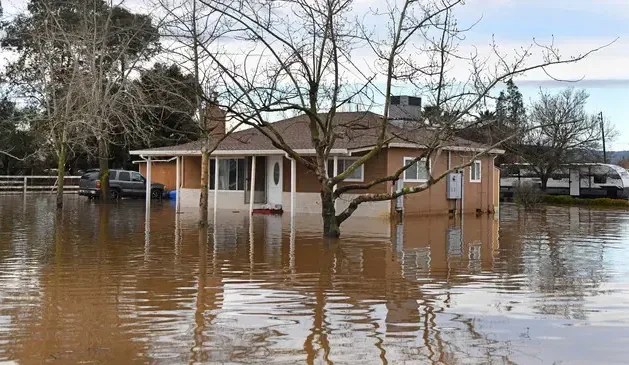
Island County identifies king tides as higher than usual tides that can cause flooding without rain. It also warns that blocked storm drains can cause localized flooding. Those concerns make current outside conditions useful observations when an underfloor space is wet, alongside inspection for leaking plumbing or another route specific to the property.
Maple Grove Road and Scenic Avenue meet at a recurring coastal flooding location. A property in that area still needs its own entry assessment. Record whether water rose with outside pooling, appeared beneath a pipe or returned after an earlier removal. That pattern helps coordinate pumping with the work needed to stop renewed wetting.
Inspect what the standing water contacted
Underfloor insulation can sag or retain water after the ground surface clears. Framing, piers and floor undersides need accessible inspection, with contaminated material handled according to its contact. The removal scope should identify damaged layers rather than treating an empty pool as the endpoint of the restoration.
- Describe the entrance dimensions and obstructions without crawling into an unassessed wet space.
- Identify visible hanging insulation or debris from a safe position outside the access opening.
- Note whether wastewater odors or fixture backups accompanied the pooling beneath the floor.
- Keep discharge away from routes that would send removed water back toward the building.
Link removal to the remaining drying work
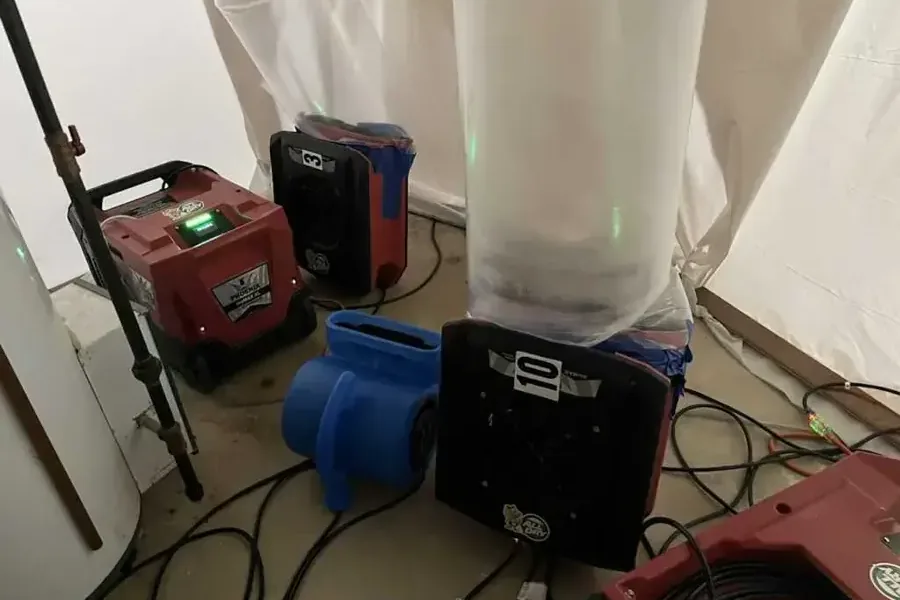
Flood cleanup may be needed where outside water leaves sediment or contaminated materials. Structural drying addresses the retained framing and floor assembly after appropriate cleaning and removal. The setup needs a practical path for moisture removal, plus access for readings beneath the floor throughout the work.
If water returns, document where and when it reappears. Drainage or plumbing work may need coordination before equipment can achieve lasting drying. The final record should distinguish a resolved pool from remaining wet materials and from any source correction still requiring a separate contractor.
Stay out of an unassessed crawl space
Restricted movement, wiring and unstable debris can make a wet underfloor area dangerous. Do not enter to place a household fan or retrieve belongings. Keep the opening secured and arrange an assessment of entry conditions before any removal work begins.
Put the wet area first
Standing water under a floor needs a safe route in and a reason for being there. Describe outside conditions, visible materials and the location of the access opening.
(888) 509-1696Assess the underfloor water routeFor public safety information, review flood precautions and the EPA indoor air information.
Crawl space water removal in Camano
Explain where the underfloor entrance is located and whether it is reachable from dry ground. Include any observed outside pooling, drainage obstruction or plumbing release before a removal visit is planned for the property.
The same service nearby: crawl space water removal in Stanwood, Granite Falls.
Related water damage services in Camano
Crawl Space Water Removal questions
Should a homeowner enter to place a pump?
A wet crawl space needs assessment for electrical hazards, restricted movement and the water source. Entering to position equipment can be unsafe even when the pool appears shallow. Keep the access point secured and describe visible conditions from outside while an appropriate removal approach is arranged.
Can water beneath the floor come from a king tide?
Island County identifies king tides as a cause of flooding even without rain. The actual property still needs inspection to establish its entry route. Observations of outside pooling and changing water levels help that assessment alongside checks for plumbing leaks or other localized drainage problems.
Why does the space refill after it is pumped?
Refilling indicates that water is still entering or returning through the discharge arrangement. Document the location and timing of renewed pooling. Plumbing, drainage or outside water conditions may need correction before removal can lead to sustained drying of the underfloor materials and the floor assembly above.
Does hanging wet insulation need attention after removal?
Insulation can hold moisture against framing and lose its intended position or condition. Its type, water contact and accessibility determine the appropriate handling. The scope should explain retention or removal decisions and inspect the exposed floor underside rather than stopping after standing water has been collected.
What if sewage has reached the crawl space?
Sewage contact requires controlled access and contaminated material handling. Explain any fixture backups or wastewater symptoms so the source can be assessed separately from building cleanup. Avoid entering or placing ordinary fans in the area before the contamination and remaining material condition have been evaluated.
Can occupied rooms indicate whether the crawl space is dry?
Underfloor moisture needs assessment beneath the building, even when the occupied rooms feel comfortable. Framing, insulation and substrates require appropriate readings in their own locations. The final drying record should describe those materials and any remaining source correction before the restoration is considered complete.
Plan removal with the entry problem in view
Keep the opening clear while assessment connects pumping, material handling and the remaining floor assembly drying.
Stanwood, WA · Water and sewage cleanup