Flood Cleanup in Camano
A retreating flood leaves sediment and wet assemblies behind. Cleanup separates unsafe entry, contaminated materials and salvage decisions before drying equipment can address the building itself.
(888) 509-1696Discuss coastal water damage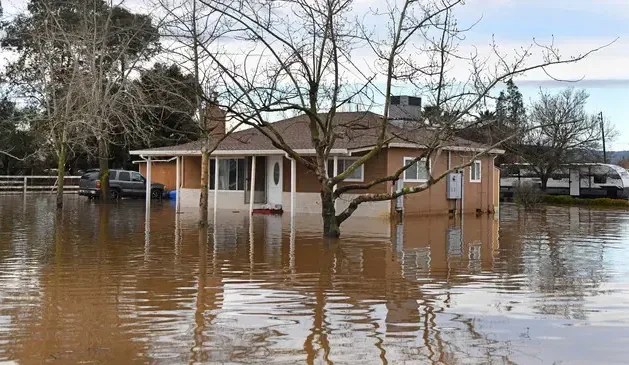
What to do now about flood cleanup
Check the approach
Avoid entering through standing water or unstable debris. Note whether the surrounding ground remains flooded and whether the building has a safe dry access point.
Record the flood marks
Photograph water height, sediment and affected contents from a safe location. Include entrances where water crossed into the building before cleanup changes those surfaces.
Reduce system use
If water stands around septic ground, stop adding wastewater through fixtures or appliances. Identify any private well that may need a separate water quality assessment.
Keep dry storage separate
Leave unaffected possessions in clean rooms when access is safe. Do not carry sediment covered items through occupied spaces without a controlled handling plan.
How the team handles flood cleanup
Establish the affected boundary
Inspect the entry route, flood height and connected cavities. The scope distinguishes inaccessible areas from surfaces ready for removal so work follows a safe sequence.
Remove water and sediment
Collect standing water when conditions permit, then remove debris and heavily affected materials. Disposal paths protect the remaining clean areas from unnecessary movement of contamination.
Clean the exposed surfaces
Treat accessible building surfaces according to their material and water contact. Remaining absorbent layers are evaluated individually rather than being hidden behind a general room cleaning description.
Measure the remaining assembly
Drying targets follow exposed framing and substrates. Progress checks identify persistent moisture before replacement finishes close the areas that needed access during the flood cleanup.
What does flood cleanup cost in Camano, WA?
Camano flood cleanup ranges depend on inundation, sediment and material removal. A useful estimate identifies cleaning and drying separately, with damaged contents and source related work described clearly before the scope is accepted.
Contained flood entry
- Limited entry area
- Accessible sediment cleanup
- Focused material checks
Several affected rooms
- Connected interior spaces
- Broader surface cleaning
- Additional drying zones
Extensive inundation
- Deep material contact
- Complex debris handling
- Concealed moisture access
Water category, square footage, material class and the delay before drying change the scope. These ranges support planning, not a quote. Compare the inputs in the water damage cost calculator before discussing the wet areas and access.
Camano flood cleanup needs a record of where outside water entered and how it moved indoors. Maple Grove Road and Scenic Avenue meet at a recurring coastal flooding location. Water crossing a threshold may carry sediment into floor seams, leave debris behind cabinets and wet wall cavities that remain concealed after the yard drains.
Read the event before opening the building
November 13, 2020: A Maple Grove resident reported storm flooding. January 13, 2021: The same resident reported another storm event. Current photographs should document the actual water marks and access conditions at the affected property. A past event helps explain the concern, while present observations determine the work area and safe approach.
Island County identifies king tides as higher than usual tides that can cause flooding without rain. A dry sky therefore does not settle whether outside entry has ended. Blocked storm drains can also cause localized flooding. Check the incoming route before scheduling a drying setup that could be wet again by continuing inflow.
Separate contents from the building cleanup
Floodwater contact changes material decisions. Soft contents, absorbent wall finishes and concealed insulation may need removal when cleaning cannot reach the contamination. Hard surfaces require cleaning after sediment collection. Keep discarded material movement away from clean living areas and retain a useful photographic record before damaged items leave the property.
- Record visible water marks before cleaning removes the clearest evidence of the affected height.
- Sort accessible belongings by contact and condition without mixing wet items with dry storage.
- Check thresholds and built in storage where sediment can remain after open floors look clean.
- Include concealed cavities in the inspection when water crossed wall bases or floor openings.
Dry only after the removal scope is clear
Water extraction addresses collected liquid; flood cleanup also needs a cleaning and material handling sequence. Remaining framing and substrates can then receive structural drying with accessible surfaces and a defined wet boundary. Equipment placed over untouched sediment does not resolve the underlying cleanup problem.
Private wells and septic systems deserve attention alongside the building. Island County warns that floodwater can make private well water unsafe and advises against septic use while water stands on surrounding ground. Those system decisions should be coordinated with the appropriate specialist while indoor cleanup proceeds within a safe area.
Do not rush basement pumping
Island County advises waiting for floodwater to recede before basement pumping. Water around a building can create hazards that are not visible from inside. Keep occupants out of inundated spaces and arrange an assessment of surrounding conditions before removal begins below ground.
Put the wet area first
Outside water leaves a different cleanup problem than a household spill. Describe flood height, sediment and current access so the affected rooms can receive an appropriate assessment.
(888) 509-1696Discuss the flood marksFor public safety information, review flood precautions and the EPA indoor air information.
Flood cleanup in Camano
Maple Grove Road and Scenic Avenue meet at a recurring coastal flooding location. Describe the property access route, whether surrounding water has receded and any private well or septic equipment affected by inundation.
The same service nearby: flood cleanup in Stanwood, Granite Falls.
Related water damage services in Camano
Flood Cleanup questions
Can coastal flooding occur when it is not raining?
Island County identifies king tides as higher than usual tides that can cause flooding without rain. The current tide related entry and surrounding ground conditions matter to cleanup planning. A clear sky should not be used as the reason to enter a flooded space or begin pumping.
Should sediment be left until the room dries?
Sediment can conceal debris and remain in seams or cavities after surface water disappears. Cleanup should address it as part of the removal and cleaning sequence. Drying equipment is planned around the remaining cleaned assembly rather than treating a muddy room as ready for ordinary airflow.
Can flood affected upholstered furniture be cleaned?
Its condition and the extent of water contact need assessment. Absorbent fillings can retain contamination where surface cleaning cannot reach. Photograph the item, keep it away from dry belongings and discuss disposal or specialist evaluation before moving it into an unaffected part of the building.
What happens if a private well was flooded?
Island County warns that floodwater can make private well water unsafe. Water quality and building restoration are separate concerns. Arrange appropriate well assessment and follow the applicable advice about use; the drinking supply needs its own evaluation before normal water use resumes at the property.
Is a septic backup handled within flood cleanup?
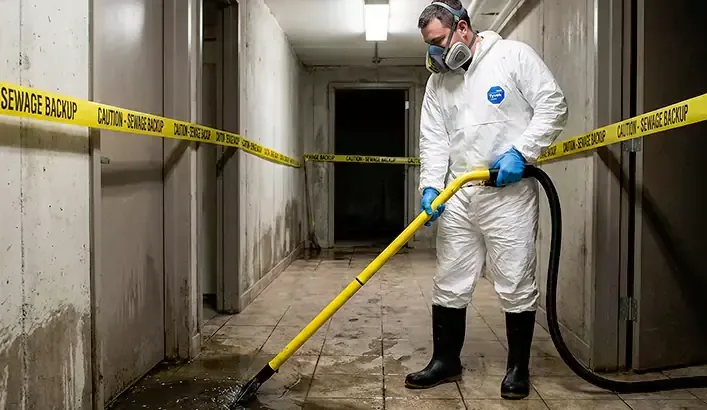
Sewage entering rooms needs controlled handling and a wastewater diagnosis as well as building cleanup. Explain which fixtures backed up and whether ground around the system remains flooded. The restoration scope should identify sewage contact instead of treating all wet surfaces as an ordinary outdoor water spill.
When is it sensible to reinstall wall finishes?
After necessary cleaning and removal, the remaining assembly needs measured drying and a resolved entry problem. Final readings and inspection should support closing the cavity. Replacing finishes while framing remains wet can hide unfinished work and make later inspection more disruptive for the property owner.
Plan beyond the retreating water
Keep event photographs and system details together when arranging building cleanup and drying.
Stanwood, WA · Water and sewage cleanup