Granite Falls Flood Cleanup
Floodwater can arrive beneath flooring as well as through a doorway. Cleanup must follow its route, remove residue, and evaluate materials that stayed wet after the water receded.
(888) 509-1696Discuss floodwater inside the building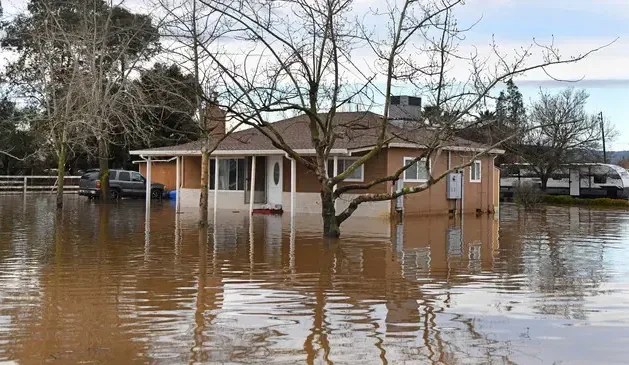
What to do now about flood cleanup
Keep people outside exposure
Avoid walking into floodwater or rooms with uncertain floor stability. Report submerged electrical equipment and blocked exits before discussing the interior cleanup.
Describe water entry clearly
Note whether water crossed a door, emerged below flooring, or entered another opening. The route helps direct inspection toward concealed affected materials.
Record belongings before handling
Use safe photographs to document damaged contents and room conditions. Preserve purchase information and descriptions without carrying contaminated items into clean living spaces.
Set aside dry access
Identify a usable entrance and storage space outside the damaged area. This helps separate equipment movement from belongings that avoided contact with floodwater.
How the team handles flood cleanup
Map flood contact
Assessment follows water marks, sediment, and moisture readings through the affected spaces. The map distinguishes accessible pools from assemblies needing inspection beneath their visible surfaces.
Recover water and residue
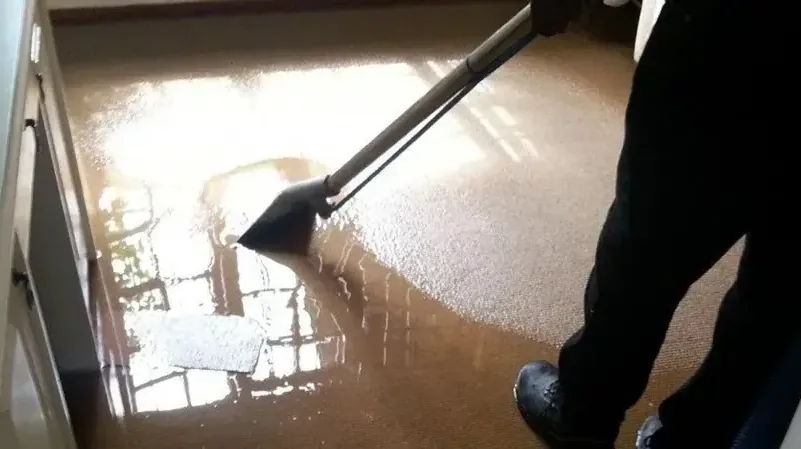
Removal addresses standing water and deposited material in the work area. Handling methods reflect contamination and the condition of the surfaces that floodwater contacted.
Evaluate retained materials
Porous layers and contents are assessed for cleaning or removal. Exposed structural materials receive appropriate cleaning before their remaining moisture is used to plan drying.
Measure toward repair
Drying conditions are adjusted around the retained assemblies. Recorded progress helps establish when the cleanup can transition to replacement materials and other planned building repairs.
What does flood cleanup cost in Granite Falls, WA?
Granite Falls flood cleanup costs reflect contamination, affected rooms, contents handling, and concealed moisture. The ranges below provide planning context for cleanup; source correction and reconstruction should be identified separately in the written estimate.
Contained flood entry
- Limited affected room
- Surface residue removal
- Targeted material assessment
Several affected rooms
- Broader contents handling
- More exposed assemblies
- Expanded cleaning area
Extensive inundation
- Difficult concealed damage
- Substantial porous removal
- Complex drying access
Water category, square footage, material class and the delay before drying change the scope. These ranges support planning, not a quote. Compare the inputs in the water damage cost calculator before discussing the wet areas and access.
December 2023: Stillaguamish River flooding entered a Granite Falls home and damaged possessions, with water reported coming through floorboards. That event highlights a practical inspection question after outdoor flooding: which parts of the floor assembly became wet before water appeared in the room? Cleanup needs to account for that hidden route alongside the visible damage to contents.
Build the scope around the entry path
The South Fork Stillaguamish River lies north of the city, and the Pilchuck River lies south. For an affected building, the critical details are where water entered, how far it traveled indoors, and what it contacted. Record those observations from safe positions before moving belongings or changing the wet area.
A muddy threshold suggests one inspection route; water emerging through floor joints suggests another. The assessment can include floor edges, lower wall cavities, and accessible spaces beneath the occupied rooms. Water extraction removes recoverable pools, while the cleaning scope addresses residue left on surfaces and within damaged layers after those pools disappear.
Separate salvage decisions from floor clearance
Clearing a room too quickly can mix affected items with belongings that remained dry. Establish a handling area and document contents before disposal or cleaning. Porous furniture, boxed papers, and floor coverings need individual assessment based on contact with floodwater and their ability to be cleaned effectively.
- Photograph the water marks and item locations before shifting belongings out of the work area.
- Keep sediment covered shoes and equipment away from rooms that escaped the incoming water.
- Record floor coverings that lifted, softened, or separated during the event for closer inspection.
- Identify appliances or electrical fixtures exposed to water before any attempt to restore their use.
Inspect below the cleaned surface
Most local rainfall occurs between October and May. After a flood, continued wet weather can complicate access and make source observations especially useful. An inspection should establish whether water is still arriving before interior rebuilding begins. Conditions at the affected property determine the work sequence and any restrictions on entry.
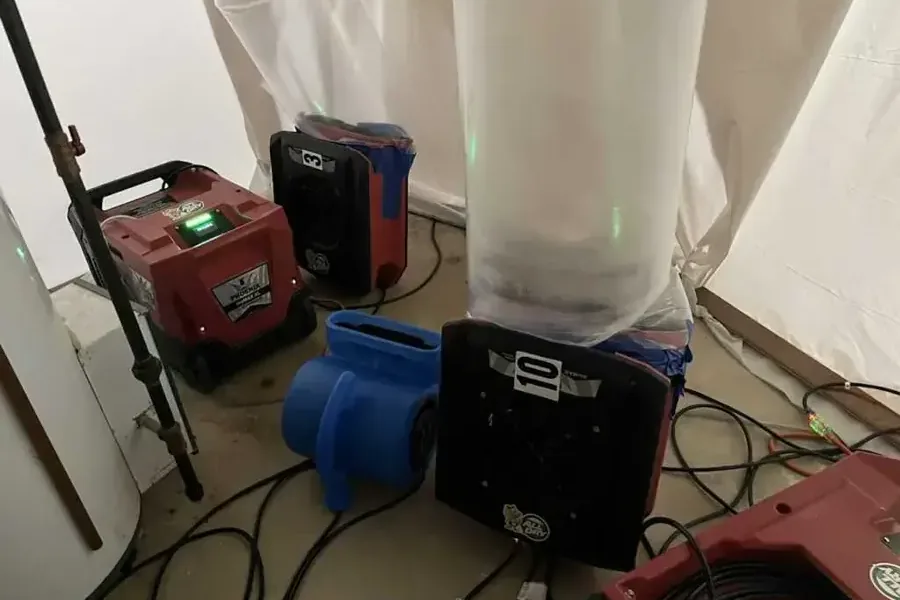
Drying follows appropriate removal and cleaning. Materials that remain in place need measurements showing how moisture changes, particularly around floor joints and wall bases. A structural drying assessment connects equipment placement with those readings and identifies remaining pockets that need better access before replacement finishes are installed.
Wait for safe access after flooding
Moving water, submerged electrical equipment, and weakened floors can make entry unsafe even after the water level begins to fall. Keep occupants outside affected areas until access has been evaluated. A return to the building should start with safety and source conditions, followed by contents documentation and the cleanup plan.
Put the wet area first
Describe the point where floodwater entered and whether safe access is available. Include affected belongings and any water remaining beneath the occupied floor.
(888) 509-1696Review the flood damageFor public safety information, review flood precautions and the EPA indoor air information.
Flood cleanup in Granite Falls
Flood damage assessment in Granite Falls starts with the affected property and safe access. Mountain Loop Highway, Stanley Street, and Frank Mason Park offer location references; report any flooded entrance separately from the interior damage.
The same service nearby: flood cleanup in Stanwood, Camano.
Water damage restoration in Granite Falls · every town covered
Related water damage services in Granite Falls
Flood Cleanup questions
Why does flood cleanup include material removal?
Some porous materials retain contaminants within layers that cannot be effectively cleaned in place. Removal decisions depend on the material and exposure, rather than water depth alone. The scope should explain which finishes need removal and how the remaining surfaces will be cleaned before drying proceeds.
Can floodwater enter through a floor?
Yes. A local December 2023 report described water coming through floorboards during flooding. When water appears from below, inspection needs to consider accessible lower spaces and floor layers. The actual construction and observed water route determine where openings or additional checks may be necessary.
Should damaged belongings go straight outside?
Document items first when safe and arrange handling that avoids spreading residue. Some contents may be suitable for cleaning, while others require disposal. Keeping affected belongings grouped by room and recording their condition makes both restoration decisions and an insurance inventory easier to understand later.
Is the house ready once the mud is gone?
Removing visible sediment is only one phase. Cleaning must address contacted surfaces, and moisture testing must evaluate retained materials. Water can remain inside a wall base or below a floor after the room looks orderly, so repair readiness depends on the complete assessment and drying results.
Does a nearby river identify the water source?
The cleanup inspection follows the water that actually reached the building. Report observed entry points, event timing, and changes in water level. Those details help explain the loss and establish the work area, particularly where indoor supply damage and outdoor entry may need separate investigation.
Which records help after a flood?
Keep event photographs, room inventories, disposal documentation, estimates, and invoices. A written timeline helps connect the damage with the event. Drying measurements and cleaning records describe the restoration work, while the insurer determines coverage under the applicable policy and the documented cause of the loss.
A cleanup plan for the whole water path
From residue removal to concealed moisture, each phase should address what the flood reached inside the building.
Stanwood, WA · Water and sewage cleanup