Slab Leak Water Damage in Camano
A persistently damp floor can hide a supply problem beneath concrete. Investigation separates pipe repair from the moisture left in flooring, wall bases and other connected materials.
(888) 509-1696Discuss moisture above the slab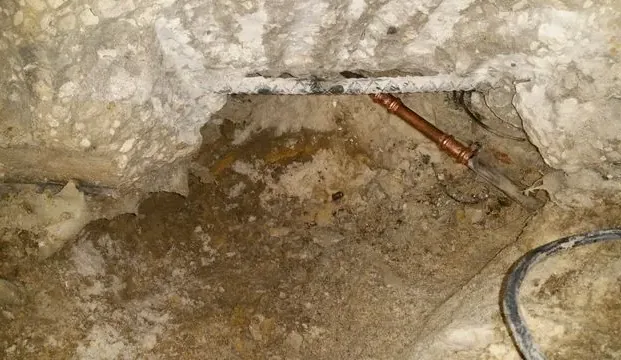
What to do now about slab leak water damage
Notice the pattern
Record where dampness returns, which finishes have changed and when the area was last dry. Avoid assuming the visible patch identifies the pipe location.
Locate the supply contact
Identify the association, private well or shared arrangement serving the property. Keep that information available when a plumber assesses how to isolate the suspected release.
Limit floor disturbance
Keep heavy objects and unnecessary traffic off lifted or unstable flooring. Preserve visible damage photographs before any planned opening changes the original condition.
Gather repair information
If plumbing work has occurred, retain its findings and photographs. Restoration planning benefits from knowing where water escaped and what floor layers were opened.
How the team handles slab leak water damage
Map the floor response
Compare visible symptoms with moisture readings across the affected room. Adjoining wall bases and thresholds are included to establish the likely boundary of retained water.
Coordinate access with repair
The plumbing repair and restoration openings are considered together. Each opening should serve a clear purpose while protecting unaffected finishes and documenting newly exposed material condition.
Treat exposed wet layers
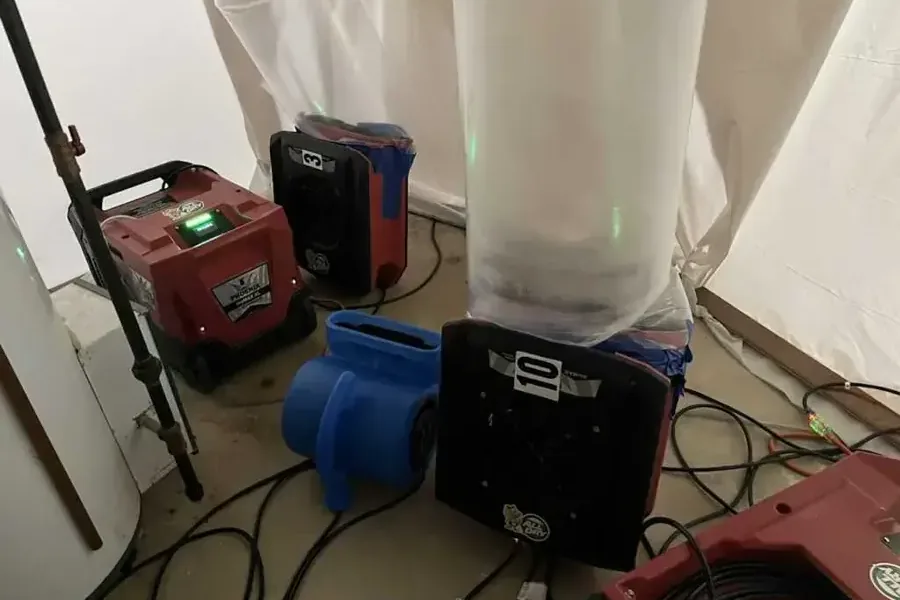
Collect accessible water and assess flooring, backing and substrate separately. Materials that cannot remain suitable are identified before equipment is arranged for the remaining drying work.
Confirm substrate readiness
Final checks consider the actual floor product and repair requirements. Documented moisture condition supports the decision to reinstall finishes instead of relying on a dry looking surface.
What does slab leak water damage cost in Camano, WA?
Camano slab leak restoration estimates should distinguish pipe access and repair from affected flooring cleanup. The ranges below reflect the spread of retained moisture, necessary material handling and the difficulty of drying the remaining floor assembly.
Limited floor area
- Localized finish damage
- Accessible substrate checks
- Focused floor drying
Several connected rooms
- Wet room transitions
- Broader material handling
- Expanded moisture mapping
Deeply trapped moisture
- Restricted layer access
- Dense wet assemblies
- Additional drying adjustments
Water category, square footage, material class and the delay before drying change the scope. These ranges support planning, not a quote. Compare the inputs in the water damage cost calculator before discussing the wet areas and access.
Slab leak water damage in Camano is a floor assembly problem as well as a plumbing problem. A repaired pipe can stop new water while moisture remains beneath a covering or inside adjoining wall bases. The investigation should identify which layers actually became wet before selecting access openings, extraction methods or replacement finishes.
Identify the supply before disturbing the floor
Camano Water Association supplies its members, while private wells also serve island residents. A known service connection helps the plumber choose the appropriate isolation point. For a shared well, affected users need coordination. The restoration assessment can then distinguish an active supply release from moisture retained after the source has been controlled.
Maple Grove contains primary residences and seasonal cabins. In a cabin discovered wet after an absence, the last dry visit is useful background for examining the affected floor. The property should be inspected on its own construction: a shoreline setting does not select a drying method, and a stain does not reveal every layer underneath.
Read the transitions between materials
Concrete, adhesive, underlayment and finished flooring react differently to water. A hard surface may conceal damp adhesive or absorbent backing. Inspect room transitions and wall junctions where moisture can spread beyond the apparent center of a leak. The resulting map helps avoid an opening that reaches the pipe but misses damaged surrounding material.
- Mark visible discoloration and compare it with moisture readings from nearby unaffected floor areas.
- Inspect trim and door thresholds for water reaching adjoining rooms through concealed low points.
- Record the flooring product and any accessible underlayment before deciding what can remain installed.
- Keep plumbing access findings with photographs of the floor layers exposed during the investigation.
Separate restoration from the pipe repair
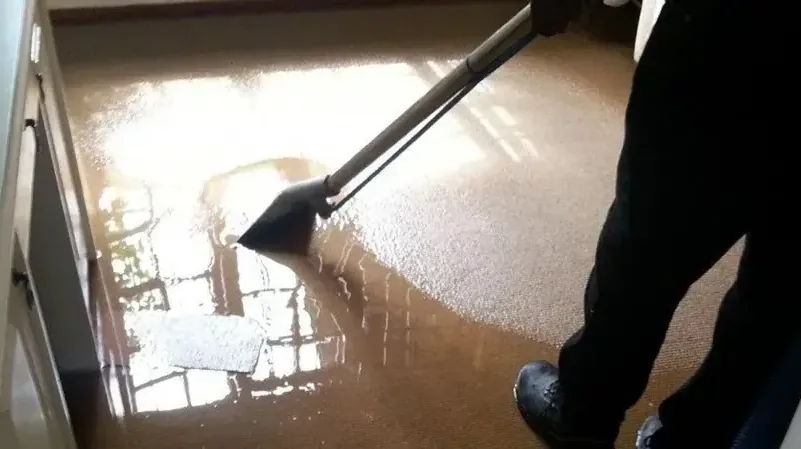
Water extraction may be needed where liquid has reached the surface or collected beneath removable flooring. Once accessible water is gone, structural drying addresses the remaining wet assembly. Concrete and dense floor layers need appropriate readings, not a conclusion based solely on how the surface feels underfoot.
Cama Beach and Camano Island State Park are familiar island places, but property access and construction must be described for the actual job. An owner arranging a visit should explain room access, installed flooring and whether plumbing repair has already occurred. That information helps coordinate inspection without treating every building as an identical slab home.
Leave concealed services to qualified assessment
Cutting a floor without locating concealed services can create additional hazards. Occupants should not drill exploratory holes or remove heavy flooring to chase a suspected pipe. Keep the damp area clear and arrange coordinated plumbing and restoration assessment before access work begins.
Put the wet area first
A damp floor needs more than a surface wipe. Describe the flooring, visible changes and any completed plumbing work so the retained moisture can be assessed with the source history.
(888) 509-1696Discuss the damp floor layersFor public safety information, review flood precautions and the EPA indoor air information.
Slab leak water damage in Camano
Private wells and water associations serve island residents. Supply isolation must suit the actual connection, including any shared well arrangement, before attention shifts to wet flooring and safe access for the drying work.
The same service nearby: slab leak water damage in Stanwood, Granite Falls.
Slab Leak Water Damage questions
Does a damp concrete floor always indicate a supply leak?
A damp floor needs source investigation before any conclusion about a concealed pipe. Observations, plumbing findings and the location of moisture all matter. The restoration work should follow the identified water route and affected layers, while unresolved source questions remain with the appropriate inspection and repair professional.
Is the restoration finished once the pipe is repaired?
Repair stops the release when the correct fault has been resolved, but surrounding materials may retain water. Flooring, adhesive and adjacent wall bottoms require inspection. The remaining cleanup and drying scope should be documented separately so a repaired supply does not conceal unfinished building restoration work.
Can a floor covering prevent the slab from drying?
Some coverings restrict evaporation and hide moisture beneath the visible finish. The product, installation and condition determine whether access is needed. Inspection should consider the full assembly rather than automatically removing every floor or assuming that equipment above an intact covering reaches all wet layers.
What should a shared well owner mention?
Explain the shared connection and identify the people responsible for it before supply isolation. Island County recommends a legal agreement defining shared well responsibilities. The practical restoration concern is coordinating source control while documenting the wet floor independently from decisions affecting another parcel's water service.
Can replacement wood flooring go down immediately?
Replacement needs a suitable substrate and the conditions required for the selected product. The floor should receive final moisture checks after the source and retained water are addressed. Installing new wood over unresolved moisture can damage the replacement and obscure the assembly that still needed attention.
Why inspect a wall when the leak is beneath flooring?
Water can reach absorbent wall bases and travel across concealed floor edges. A wall stain may appear away from the pipe opening. Checking those junctions helps establish the full damage boundary and avoids completing floor work while an adjoining cavity still contains wet material needing access.
Resolve moisture before covering the slab
Keep repair findings available while the remaining floor assembly receives inspection and a documented drying plan.
Stanwood, WA · Water and sewage cleanup