Granite Falls Slab Leak Water Damage
A damp patch above concrete needs its own investigation. Locating the concealed pipe problem and identifying wet floor layers allows source repair and water damage cleanup to work together.
(888) 509-1696Assess water above the slab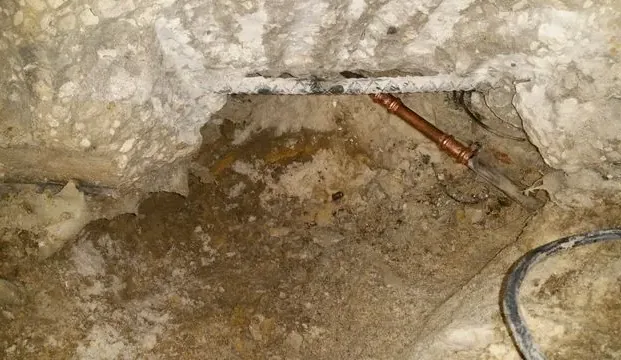
What to do now about slab leak water damage
Describe the persistent patch
Note the room, flooring type, and whether the damp area grows. Report any pipe repair already underway without disturbing the slab or finish.
Limit further supply loss
An accessible shutoff may control a suspected supply leak. Avoid reaching valves through standing water or opening concealed plumbing without appropriate trade assistance.
Protect the affected surface
Keep heavy furniture and foot traffic away from lifted edges. Photograph changes in the floor and nearby walls before any access opening is made.
Keep repair information together
Save source location notes and repair photographs. These help connect the pipe opening with the surrounding moisture assessment and the later flooring restoration scope.
How the team handles slab leak water damage
Identify the assembly
The inspection records floor coverings, substrate, and adjacent walls. Readings help distinguish the visible damp patch from materials that absorbed water along concealed routes nearby.
Coordinate source access
Pipe location and repair are coordinated with restoration access. The work area should account for the repair opening and the separate boundaries of water damaged materials.
Address trapped layers
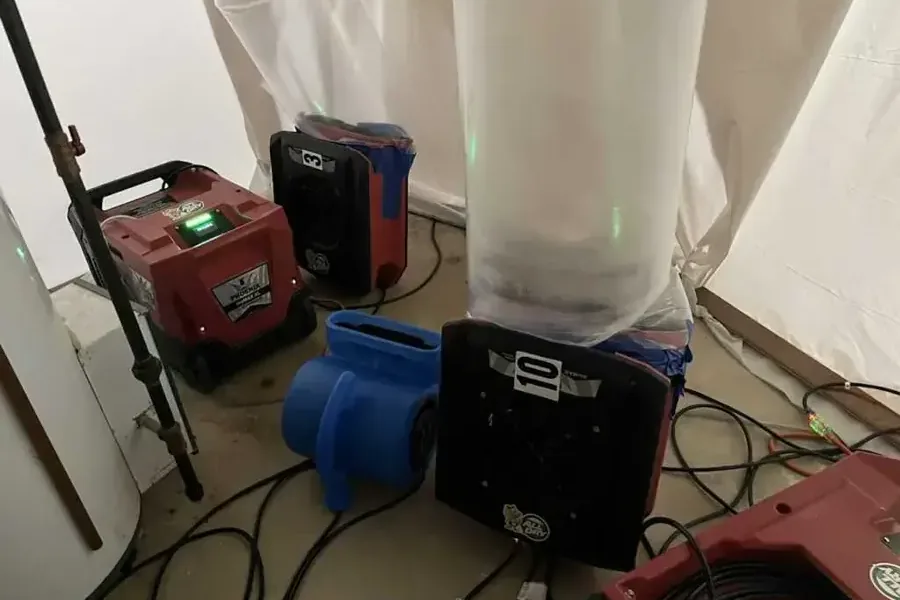
Wet finishes and underlayment are evaluated for retention or removal. Exposed surfaces can then be cleaned and dried with equipment arranged around the actual remaining moisture.
Check before reinstatement
Later readings establish whether the retained substrate is ready for the proposed finish work. The handoff records unresolved moisture and any separate repairs still required around the opening.
What does slab leak water damage cost in Granite Falls, WA?
Slab leak water damage costs in Granite Falls depend on flooring layers, hidden spread, and access around the repaired pipe. These cleanup ranges need a written scope that identifies pipe repair and finish replacement as separate items when applicable.
Limited floor area
- Localized wet finish
- Accessible slab edge
- Focused moisture measurements
Several connected rooms
- Water across transitions
- Additional wall checks
- Expanded drying setup
Deeply trapped moisture
- Difficult layer access
- Selective flooring removal
- Extended substrate assessment
Water category, square footage, material class and the delay before drying change the scope. These ranges support planning, not a quote. Compare the inputs in the water damage cost calculator before discussing the wet areas and access.
A patch of flooring that stays damp after wiping deserves a closer look below the finish. In a Granite Falls building with plumbing under concrete, source location and moisture assessment answer different questions. The pipe repair stops the release; restoration determines how far water traveled through the floor assembly and into adjacent materials before that repair was completed.
Start with the floor that is actually present
Inspection identifies concrete, finish layers, transitions, and any accessible pipe route at the property. A wet floor above a slab may involve adhesive, underlayment, or neighboring wall bases. The scope should describe those specific materials instead of treating the visible surface as the entire affected assembly.
Iron Mountain lies east of downtown and contains a quarry, while Stanley Street is the downtown segment of State Route 92. Those references help describe a location, but the assessment still begins inside the affected building. Photos of the room and prior repair openings can help explain where water and access work overlap.
Coordinate the opening with moisture removal
Locating a concealed leak helps avoid unnecessary disruption. After appropriate pipe access is established, the restoration inspection can examine wet layers beside the opening and at nearby floor edges. Water may have followed a seam or reached a wall before appearing through the finish, so the damaged area can extend beyond the repair cut.
- Record lifted flooring and darkened joints before removing the finish around a suspected leak.
- Check adjacent wall bases where the slab meets materials that can absorb escaping water.
- Distinguish debris from pipe access work from materials removed because they became water damaged.
- Preserve a clear account of the repaired source and any flooring left open for drying.
Let the substrate determine the next finish step
Mountain Loop Highway is a major local corridor, and most rainfall occurs between October and May. At the affected property, observed moisture patterns and source investigation establish whether the wet floor needs pipe repair, another entry correction, or both. The cleanup scope follows those findings through the retained materials.
Replacement flooring should wait until the substrate is suitable for the chosen installation. Structural drying can address moisture remaining after repair, and a wood flooring assessment can evaluate boards above the affected slab. Different layers may need separate readings before the floor is ready to close.
Leave destructive investigation to qualified trades
Cutting or drilling a floor without locating concealed services can create another hazard. Keep occupants away from unstable finishes and open repair areas. Describe any active leak and accessible shutoff during the initial call, then coordinate source location and safe access before concrete or flooring is disturbed.
Put the wet area first
Describe the flooring, the persistent wet area, and any leak location work already completed. That starting information helps connect the concealed source with the cleanup assessment.
(888) 509-1696Discuss the damp slab areaFor public safety information, review flood precautions and the EPA indoor air information.
Slab leak water damage in Granite Falls
For Granite Falls buildings near Stanley Street, Iron Mountain, or Mountain Loop Highway, describe the actual floor assembly and wet area. Mention any prior pipe access opening so assessment can distinguish repair work from moisture damage.
The same service nearby: slab leak water damage in Stanwood, Camano.
Water damage restoration in Granite Falls · every town covered
Related water damage services in Granite Falls
Slab Leak Water Damage questions
Does a slab leak always leave standing water?
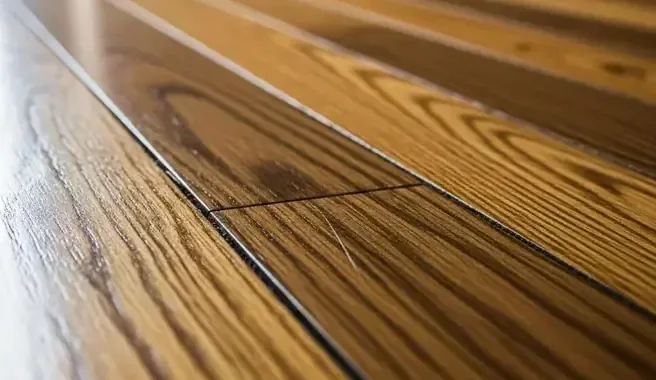
No. Moisture may first appear as persistent dampness, lifted flooring, or changes along floor joints. A concealed source can affect materials before a puddle develops. Source investigation and moisture measurements help establish whether the observed floor damage connects to plumbing beneath the concrete.
Is pipe repair part of the drying scope?
The estimate should distinguish source repair from cleanup and drying. Fixing the pipe stops further release, while restoration addresses water already absorbed by finishes and neighboring materials. Coordinating those tasks reduces confusion about which trade opens the floor and who evaluates the remaining moisture.
Can flooring stay above a wet slab?
That depends on the flooring, adhesive, underlayment, water condition, and access for drying. Some assemblies trap moisture beneath the finish and require removal to reach it. Inspection should explain the proposed treatment for each affected layer rather than assuming that surface drying will reach the substrate.
Why inspect walls next to the affected floor?
Water can travel beneath flooring and reach the wall base, where porous materials may absorb it. Checking those edges helps define the true wet area. A repair opening around the pipe may therefore be smaller than the restoration area needed to dry adjoining finishes and cavities.
When can replacement flooring be installed?
Installation should follow suitable moisture evaluation of the retained substrate and completion of the source repair. The flooring system's requirements also matter. Documented readings allow the restoration and flooring trades to discuss readiness using the condition of the actual assembly instead of its surface appearance.
What should a property owner record before work?
Photographs of the damp patch, lifted edges, neighboring walls, and any existing pipe opening are useful. Keep source repair notes and dates together with restoration estimates. This record helps explain which damage prompted the work and which materials were disturbed to gain necessary repair access.
Plan the floor recovery around the repair
A repaired pipe and a dry floor assembly are separate milestones that need a coordinated scope before finishes return.
Stanwood, WA · Water and sewage cleanup