Hardwood Floor Water Damage in Camano
Raised board edges reveal a change in the floor, but appearance cannot settle the repair. The wood product, underlying layers and moisture pattern determine the restoration options.
(888) 509-1696Discuss the changed wood floor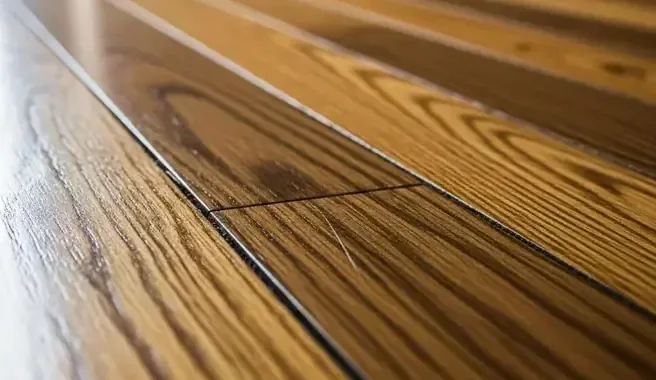
What to do now about hardwood floor water damage
Keep traffic off changed boards
Restrict access where flooring has lifted or edges have become sharp. Avoid dragging furniture across the area, which can damage both wet boards and adjoining unaffected surfaces.
Identify available product details
Keep leftover packaging, installation information or repair records available if already accessible. The actual floor product matters when assessing moisture response and possible restoration methods.
Record the water contact
Describe the source and which rooms were affected. Note rugs, furniture and thresholds that may have influenced where water collected or how quickly surfaces became visible.
Leave refinishing decisions open
Do not sand or fasten distorted boards as an immediate response. Material readings and substrate inspection should support the later choice between drying, repair and replacement.
How the team handles hardwood floor water damage
Document the floor construction
Inspection identifies the product and accessible supporting layers. Installation details and physical condition help match the proposed work to the assembly rather than a general wood floor label.
Compare moisture across the area
Readings include damaged boards, transitions and suitable dry references. The resulting map helps distinguish concentrated water contact from a broader pattern extending beneath apparently unaffected finishes.
Select practical drying access
The scope evaluates whether moisture can leave the retained layers effectively. Any necessary lifting or removal is explained before equipment is arranged to address the exposed or accessible assembly.
Assess the repair condition
Final moisture observations are considered with distortion, adhesion and surface condition. The handoff explains which sections are suitable for further flooring work and which remain physically damaged despite drying.
What does hardwood floor water damage cost in Camano, WA?
Camano wood floor restoration costs reflect the product, wet substrate and amount of access required. The ranges below describe drying and related material work; refinishing or replacement should be identified clearly in the final scope.
Localized wet boards
- Small affected section
- Accessible moisture readings
- Focused drying approach
Broader floor assembly
- Several changed areas
- Substrate condition checks
- Wider equipment coverage
Trapped or damaged layers
- Restricted underside access
- Additional material lifting
- Complex repair decisions
Water category, square footage, material class and the delay before drying change the scope. These ranges support planning, not a quote. Compare the inputs in the water damage cost calculator before discussing the wet areas and access.
Hardwood floor water damage in Camano should be evaluated from the boards downward. A raised edge can show uneven moisture, while an apparently flat section may still conceal water beneath it. Identify the actual flooring product and supporting layers before deciding whether controlled drying, selective removal or replacement offers an appropriate repair path.
Begin with the installed assembly
Maple Grove includes both primary residences and seasonal cabins. The occupancy type helps explain discovery timing, but it does not identify the floor construction. Record whether product information or installation records are available. Inspection then considers the finish, board condition, joints and accessible substrate as related parts of the same damaged assembly.
Water source also changes the options. A supply spill and outdoor water entering near Maple Grove Road or Scenic Avenue need different cleaning and material assessments. Flood cleanup addresses the contamination and sediment associated with outside entry before a decision is made about retaining affected flooring.
Read the moisture pattern before changing the finish
Measurements should cover visibly changed boards and appropriate comparison areas. Doorways, perimeter walls and transitions between products can reveal water movement hidden by the finish. Surface drying alone may leave the underside wet. Equipment and access decisions should therefore follow the full pattern rather than concentrating only on the most visibly distorted board.
- Photograph raised edges and separated joints before moving furniture across the affected floor.
- Identify rugs or furnishings that restricted evaporation where the original water collected.
- Record accessible substrate condition when a damaged section has to be lifted for inspection.
- Keep installation information with moisture records for the later flooring repair discussion.
Delay irreversible finish work until the assessment
Sanding changes the floor surface and should not be the first response to a wet board profile. The material needs a suitable moisture condition and a repair assessment before refinishing is chosen. Structural drying can support that process when the retained assembly has an effective drying path.
Some products remain damaged after moisture is removed. The final scope should distinguish a floor that needs more drying from a floor that needs replacement because its shape, bond or layers cannot provide a suitable finish. That distinction keeps expectations tied to the condition of the installed material.
Protect feet and avoid force
Lifted boards and sharp edges can make the room unsafe to cross. Keep traffic off unstable sections and do not force boards flat with heavy objects. A flooring assessment should establish the repair approach after the water source and remaining moisture are addressed.
Put the wet area first
Changed board edges need a look beneath the finish. Describe the floor product, source and affected rooms when arranging an assessment of the remaining wet layers.
(888) 509-1696Assess the flooring changesFor public safety information, review flood precautions and the EPA indoor air information.
Hardwood floor water damage in Camano
For homes around Maple Grove, describe the installed flooring and rooms where its shape has changed. Seasonal owners should provide the last dry visit and arrange access for measurements while the floor condition is monitored.
The same service nearby: hardwood floor water damage in Stanwood, Granite Falls.
Related water damage services in Camano
Hardwood Floor Water Damage questions
Does cupping mean the entire floor must be replaced?
Cupping calls for assessment of moisture and physical condition, not an automatic replacement decision. The product, water contact and supporting layers affect the options. Measurements and inspection help establish whether controlled drying is appropriate and whether any boards remain damaged after the assembly reaches a suitable condition.
Why inspect below boards that look dry on top?
The finish can hide moisture in joints, backing or the substrate. A dry feeling surface may therefore give an incomplete picture. Inspection through the available access points helps identify trapped water and select a drying method that reaches the affected layers instead of only the room air.
Can sanding immediately remove the raised edges?
Sanding alters the surface before the moisture response has been assessed. The floor needs an appropriate drying and repair evaluation first. A flooring professional can then consider its final profile, material condition and available wear surface when deciding whether refinishing is suitable or replacement work is needed.
Should a wet rug remain on the affected floor?
A rug can retain moisture against flooring and obscure the wet boundary. If access is safe, its condition and handling should be assessed separately from the boards underneath. Avoid dragging a heavy wet rug across dry flooring, and document the area it covered before further cleanup changes it.
What if outside floodwater reached the wood flooring?
Outside water introduces cleaning and contamination decisions as well as moisture concerns. The contacted materials need assessment before retention is proposed. Flood cleanup should account for sediment and hidden layers, with flooring repair considered only after the water category and remaining assembly condition have been addressed.
When can new flooring be installed over the substrate?
The source must be controlled and the substrate must meet suitable conditions for the selected installation. Final moisture records and product requirements help support that decision. Replacing boards over a still wet layer can damage the new material and hide an unresolved part of the original loss.
Set a measured path to floor repair
Keep product details and discovery photographs available before refinishing or replacement decisions are made.
Stanwood, WA · Water and sewage cleanup