Granite Falls Water Extraction
A puddle across several rooms can hide its starting point. Water extraction begins by identifying the source, checking access, and removing reachable water without spreading contamination further.
(888) 509-1696Discuss pooled water indoors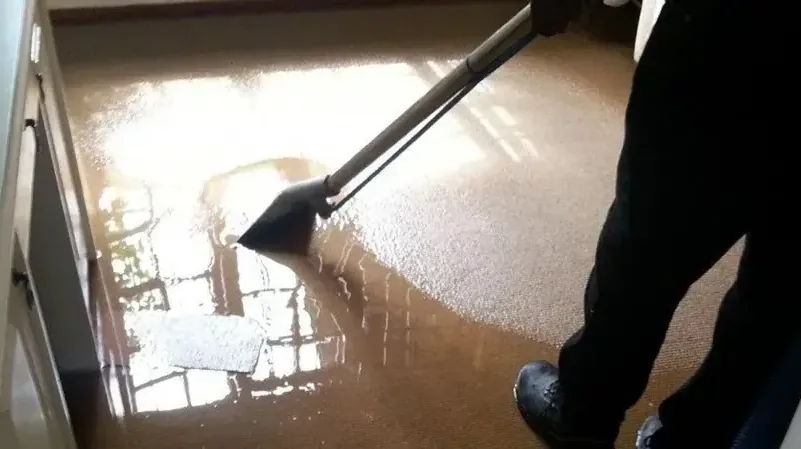
What to do now about water extraction
Observe from dry ground
Identify the rooms holding water without crossing the pool. Note outlets, damaged ceilings, or debris that could make access unsafe during assessment.
Stop reachable supply flow
Close a known, accessible shutoff for an indoor supply leak. If reaching it requires entering water, leave that task for qualified assistance.
Save the initial picture
Photograph the water boundary and contents from a safe position. These views help preserve the original spread before extraction changes the room.
Keep a clear entrance
Move dry belongings away from the intended entry route when safe. Describe stairs and tight doorways before extraction equipment is brought inside.
How the team handles water extraction
Establish the recovery area
The assessment identifies source, water condition, and reachable pools. Moisture checks along the perimeter help establish where extraction and later drying need to extend.
Select recovery equipment
Water depth, floor materials, and building access determine the extraction approach. The equipment setup should allow effective recovery while protecting usable rooms and clear exits.
Evaluate exposed layers
As water recedes, floor edges and wall bases become easier to inspect. Damaged materials and trapped moisture are documented before the next phase is chosen.
Hand off to drying
Remaining wet assemblies receive a separate drying plan. Initial readings provide a reference for follow up measurements and help explain any recommended openings or removals.
What does water extraction cost in Granite Falls, WA?
Water extraction in Granite Falls generally follows the accessible water volume, affected rooms, and flooring layers. These planning ranges separate a contained pool from broader recovery work; cleaning, drying, and repairs need defined scopes.
Small contained pool
- Reachable standing water
- Limited recovery area
- Initial floor inspection
Wet carpet and rooms
- Multiple floor surfaces
- Padding moisture assessment
- Room edge checks
Broad or deep water
- Expanded extraction setup
- More difficult access
- Larger recovery footprint
Water category, square footage, material class and the delay before drying change the scope. These ranges support planning, not a quote. Compare the inputs in the water damage cost calculator before discussing the wet areas and access.
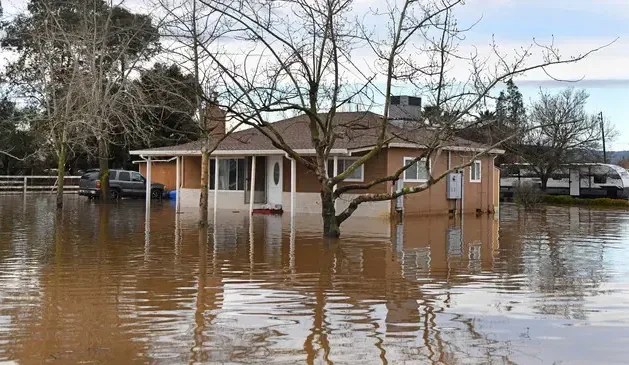
Water extraction in Granite Falls starts with a distinction that changes the entire cleanup: water from an indoor supply pipe needs a different assessment from riverwater entering a house. During December 2023 flooding, water reached a local home through floorboards. Knowing how water arrived helps determine where removal should begin and which materials need closer attention.
Recover the water without losing its trail
The largest puddle may be at a low spot rather than beside the source. A technician can trace the wet boundary through doorways, around cabinets, and beneath movable contents before extraction changes the visible pattern. Photographs and initial readings preserve that information for the drying scope and any later repair discussion.
Stanley Street forms the downtown segment of State Route 92. For a property there, a useful access description includes the entrance, the affected floor, and whether hoses can reach the wet rooms safely. These practical details matter more to equipment placement than a general description of how much water appeared.
Check the layers that a wand cannot reach
A hard floor can conceal wet underlayment, and carpet may retain water in its padding after the surface improves. Extraction equipment removes recoverable water; it cannot replace an inspection of layers held beneath fixed finishes. The next scope may include floor drying assessment or a broader structural drying plan.
- Check transitions where one floor covering meets another and water can collect below the edge.
- Inspect cabinet bases when the wet boundary extends beneath fixed furniture or kitchen fittings.
- Compare the visible pool with readings along adjacent walls before narrowing the drying area.
- Separate contaminated contents from items that can remain safely outside the active work zone.
Use the source to set the cleanup scope
Frank Mason Park surrounds Lake Gardner, and Mountain Loop Highway begins its southern entrance at the city. A landmark helps identify location, while the actual water route determines the work. Report water rising through flooring separately from a spill running out of a utility closet, even when both leave similar puddles.
Once accessible water is removed, the technician can reassess materials that were submerged or difficult to inspect. Remaining moisture, material condition, and contamination determine whether the next step is cleaning, selective removal, or controlled drying. A room that looks clearer is only partway through that evaluation.
Electrical exposure changes entry decisions
Standing water near outlets, cords, or appliances requires an electrical safety assessment before anyone enters the wet area. Household vacuum equipment should stay out of the spill. Keep people at a dry boundary and describe the location of submerged equipment when requesting water extraction.
Put the wet area first
Describe the deepest visible water, the suspected source, and any blocked entrance. Those details help frame the assessment before the extraction work begins indoors.
(888) 509-1696Assess the pooled waterFor public safety information, review flood precautions and the EPA indoor air information.
Water extraction in Granite Falls
Granite Falls properties around Stanley Street, Mountain Loop Highway, and Frank Mason Park can describe access using those landmarks. Include the affected floor level and any standing water between the entrance and damaged rooms.
The same service nearby: water extraction in Stanwood, Camano.
Water damage restoration in Granite Falls · every town covered
Related water damage services in Granite Falls
Water Extraction questions
Does extraction also dry the building?
Extraction removes water that equipment can physically recover. Moisture held inside wood, drywall, or concealed floor layers requires a drying assessment afterward. A written scope should identify both phases so the absence of a puddle is not treated as completion of the entire cleanup.
Can carpet remain after water is removed?
That depends on the water condition, carpet construction, padding, and time spent wet. Inspection may show that some layers can be cleaned and dried while others need removal. The decision should include the subfloor beneath the carpet, especially where water reached room edges.
Why check a room beyond the visible pool?
Water can cross a threshold underneath a floor covering or move along the base of a wall. A room may therefore contain wet material without an obvious puddle. Perimeter measurements help identify those extensions and establish an extraction and drying area that follows the actual spread.
Should furniture be moved before the visit?
Light dry items can be moved away from a safe access route. Heavy furniture standing in water may need controlled handling, particularly when the floor or nearby electrical equipment is unsafe. Photograph affected pieces and describe them during the initial discussion rather than crossing the pool.
Does outdoor water need different handling?
Yes. Outdoor entry can bring sediment and contamination into contact with finishes and belongings. Recovery equipment and the subsequent cleaning scope must account for that exposure. Keep affected items within the damaged area until their handling has been assessed, so residue is not tracked into usable rooms.
What information belongs in the extraction record?
Useful records show the source, affected rooms, water boundary, material condition, and recovery work performed. Photographs before and after removal complement moisture readings. These details help explain why further cleaning or drying was proposed and support a clear handoff to any later repair contractor.
Move from standing water to drying
Water removal should lead to a clear account of the materials still wet and the work they need next.
Stanwood, WA · Water and sewage cleanup